Leave Your Message

What Is a Live Poultry Transport Vehicle?

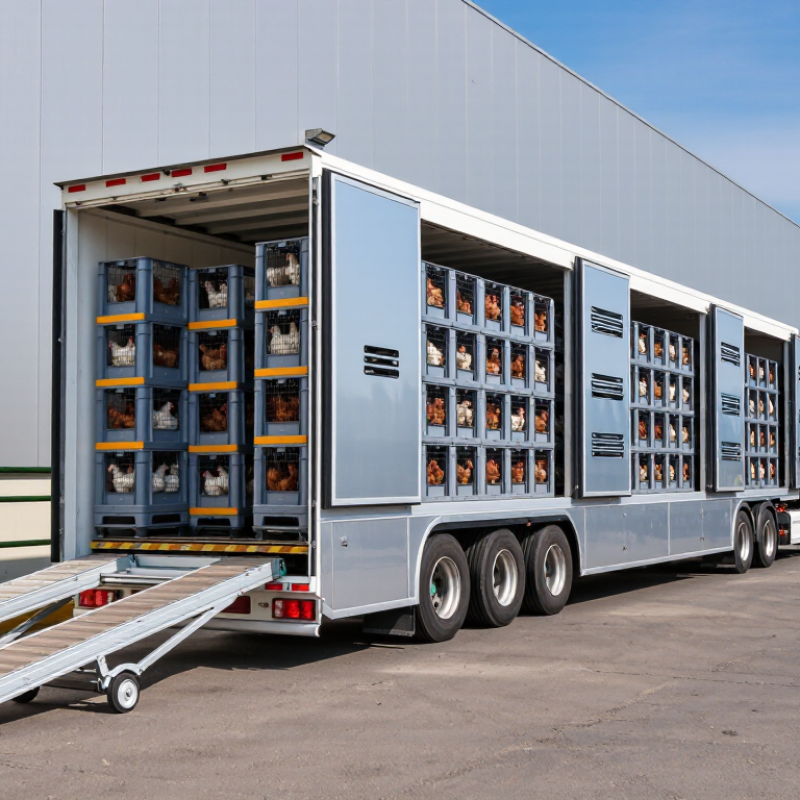
A Live Poultry Transport Vehicle is designed to move birds while helping protect their welfare during loading, travel, and unloading. It may use purpose-built modules or crates, secure loading areas, and systems that support airflow. The exact setup varies with the vehicle, bird type, journey length, and weather. It is more than a truck with cages.

On a practical level, details matter. Air must move through the load, and crates need to remain stable as the vehicle turns or brakes. A clean floor, clear access points, and careful loading can make handling safer and more orderly. In warm conditions, heat can build quickly inside a tightly packed load; in cold or wet weather, exposure brings different concerns. Small details count.

This guide explains the main features of these vehicles and how they support poultry transport. It also considers ventilation, loading, hygiene, and routine checks from a practical perspective. Operators should follow applicable guidance and seek advice from qualified poultry professionals, since appropriate arrangements depend on the birds and conditions. No single design solves every problem. Even experienced teams can overlook something when schedules are tight, so inspection and communication remain important. A thoughtful approach helps identify risks before the journey begins.
What Is a Live Poultry Transport Vehicle?

Definition and Purpose of a Live Poultry Transport Vehicle

A live poultry transport vehicle is a road vehicle designed to move live birds in ventilated crates or modules. It typically carries poultry from farms to processing facilities, with equipment and loading arrangements suited to the birds and journey. Its purpose is not merely movement. Vehicle layout, airflow, weather protection, and journey planning help reduce injury, overheating, chilling, and avoidable delays. Details matter. The World Organisation for Animal Health’s Terrestrial Animal Health Code identifies handling, ventilation, journey duration, and fitness for travel as important welfare considerations.

The scale makes dependable transport important. USDA’s National Agricultural Statistics Service recorded about 9.2 billion broilers slaughtered in 2022 in its Poultry Slaughter report. That is not a transport count, but it illustrates the volume supported by poultry logistics. In practice, staff may check crate airflow, weather conditions, loading times, and vehicle temperature; a blocked vent or a long queue can disrupt even careful planning. At arrival, controlled unloading limits extra handling and gives staff a chance to identify birds needing attention. Still, equipment cannot remove every stressor, and conditions can vary sharply between routes. That limitation deserves honest review.
Main Components and Vehicle Design

What Is a Live Poultry Transport Vehicle?
Main Components and Vehicle Design

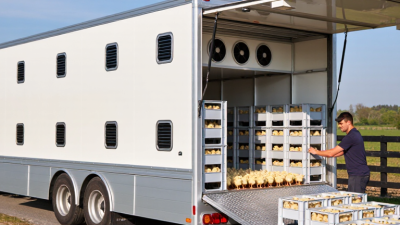
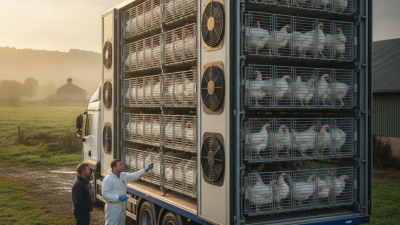
A live poultry transport vehicle is built around a cargo body that holds ventilated crates securely during travel. Its frame and chassis support the loaded weight, while suitable suspension helps limit harsh jolts on uneven roads. Inside, crate guides or restraints reduce shifting during turns and braking. Small details matter. A loose fitting can become a repeated source of noise and movement.

The body typically includes side openings or ventilation panels, a roof, a floor, and access doors. Airflow should reach crates throughout the load, not only those near the vehicle’s edges. Poorly balanced ventilation can leave some areas warmer or stuffier than others, especially in still weather. The floor needs a practical surface and drainage arrangement, while smooth, accessible corners make washing and inspection easier. Ramps and doors should allow crates to move without sudden drops or awkward lifting. There is no perfect layout: stronger partitions can improve restraint but may obstruct airflow if placed carelessly. A good design balances ventilation, load stability, cleaning access, and the specific route and climate. It deserves regular review.

What Is a Live Poultry Transport Vehicle? - Main Components and Vehicle Design

Component Typical Design Purpose Key Design Considerations
Vehicle chassis and cab Road-going truck or tractor-trailer chassis selected for the intended payload and route. Supports the load and provides the power, braking, and steering needed for transport. Payload limits, axle loads, maneuverability, road conditions, and applicable vehicle requirements.
Enclosed transport body Body with a durable frame and side panels designed to protect the load while allowing ventilation. Shields birds and containers from weather, road spray, and physical damage. Structural strength, secure access, drainage, cleanable surfaces, and airflow through the load.
Bird crates or modules Stackable, ventilated containers, commonly made from washable plastic or other suitable materials. Contain and separate groups of birds during loading and travel. Ventilation openings, secure stacking, suitable space for the birds, ease of handling, and cleaning.
Loading and unloading system May include a lift, conveyor, forklift-compatible modules, or manual handling equipment. Moves crates or modules between the vehicle and the loading area. Stable handling, safe access, efficient loading, and minimizing sudden movement or excessive handling.
Ventilation system Designed airflow paths may use body openings, fans, or a combination, depending on vehicle design. Helps remove heat and moisture and supplies fresh air to birds throughout the load. Air distribution can vary by position in a stacked load; design should account for airflow obstruction and changing weather.
Temperature and environmental monitoring Portable or fixed sensors may record conditions at selected positions in the load. Helps operators assess transport conditions and identify areas needing attention. Sensor placement, readable records, appropriate monitoring intervals, and interpreting readings in context.
Restraints and load-securing equipment Straps, locking points, barriers, or other approved restraints keep crates and modules stable. Reduces shifting during braking, cornering, and travel over uneven surfaces. Secure attachment without blocking ventilation or damaging containers; check restraints before departure.
Flooring and drainage Robust floor with a cleanable surface and suitable drainage arrangements. Supports equipment and helps manage water and waste during cleaning. Slip resistance, structural capacity, drainage control, and preventing runoff from contaminating other areas.
Cleaning and sanitation provisions Washable body surfaces and access to areas where crates, floors, and equipment require cleaning. Supports routine removal of organic material and hygiene between loads. Accessible surfaces, effective drying, proper wastewater handling, and following applicable biosecurity procedures.
Lighting and inspection access Work lights and access points may be provided for checks during loading and unloading. Helps personnel inspect equipment, secure loads, and carry out handling tasks safely. Lighting should be practical for the work area; access should not compromise load security or ventilation.

Design note: Vehicle layouts and equipment vary with bird type, load configuration, journey conditions, and local requirements. Good design combines secure containment, effective airflow, safe handling, and cleanability.

How Poultry Is Loaded, Transported, and Unloaded

What Is a Live Poultry Transport Vehicle?

A live poultry transport vehicle carries birds in secure, ventilated crates or modules. Its job is not simply to move them from one place to another. The layout must allow airflow and keep loads stable while the vehicle is moving.

Loading starts with calm, steady handling. Workers guide birds into crates without rushing or piling them together. They check that doors latch, crates are properly positioned, and the load is balanced. Birds need enough room for their size and the conditions that day. Warm weather, for example, makes airflow especially important. Small details matter.

During the journey, drivers avoid sudden braking and sharp turns where possible. Staff may monitor the load and conditions, since ventilation can change with traffic, weather, and vehicle speed. No trip is perfectly predictable. A careful plan can still miss a blocked air path or a loose latch, so checks matter.

At the destination, the vehicle is positioned near the unloading area to reduce unnecessary handling and waiting. Crates or modules are removed steadily, with care to avoid jolts and crowding. Workers then check the birds and move them onward according to the receiving facility’s procedures. Quiet helps. Unloading may look routine, but rushed movements can unsettle the flock.

Maximum Poultry Loading Density for Transport

EU limits for poultry other than day-old chicks, measured in kilograms per square metre of floor area.

Poultry are loaded into ventilated crates or modules and secured on the vehicle for transport, then unloaded at the destination. These figures are maximum loading densities under Council Regulation (EC) No 1/2005, Annex I, Chapter VII; actual loading may need to be lower depending on conditions.

Common Vehicle Types and Their Uses

What Is a Live Poultry Transport Vehicle?

Common Vehicle Types and Their Uses

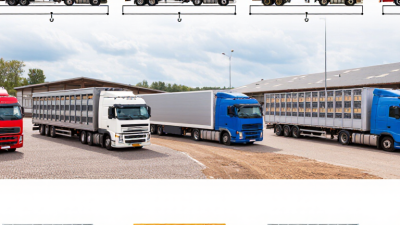
For broilers, a common setup is a road tractor pulling a trailer loaded with stacked, ventilated modules. Workers move the modules between the farm and processing plant, reducing repeated handling of individual birds. The USDA National Agricultural Statistics Service reported roughly 9.4 billion young chickens slaughtered in 2023, illustrating the scale these transport systems serve. That figure is not a vehicle count, but it shows why efficient loading matters.

Turkeys and heavier birds may travel in larger, sturdier modules with more internal space. Chicks need a different arrangement: hatchery vehicles carry ventilated chick boxes, often in a climate-controlled cargo area. Short local trips may use smaller trucks, while longer routes typically rely on purpose-built trailers with adjustable airflow. The right choice depends on load, weather, route, and unloading equipment. Details matter.

Ventilation is not just a feature on a specification sheet. Airflow can vary between the trailer’s edges and center, so operators monitor conditions and avoid blocking vents with poorly stacked modules. The EFSA 2022 scientific opinion on poultry transport identifies heat stress, cold stress, and restricted movement among welfare concerns during transport. A well-designed vehicle helps manage these risks, but it cannot fix careless loading or poor route planning. Even experienced crews can miss a hot spot; regular checks remain essential.

Animal Welfare, Biosecurity, and Safety Considerations

What Is a Live Poultry Transport Vehicle?

Animal Welfare, Biosecurity, and Safety Considerations

A live poultry transport vehicle carries birds in ventilated crates or compartments from one location to another. Its design and daily use can affect bird welfare. Airflow should reach each load, while crates need enough space to prevent crowding and injury. Conditions change quickly: a sunny loading area can become hot inside a stationary vehicle. Journey length, weather, bird size, and loading density all matter. There is no single setup for every trip.

Biosecurity depends on routine, not appearance alone. Remove organic material and clean and disinfect the vehicle between loads, following product directions and allowing surfaces to dry when appropriate. Keep clean equipment separate from soiled items. Check doors, crate fittings, tires, and ventilation before departure. Gentle driving helps reduce sudden jolts and shifting loads. Even careful plans can miss something; a blocked vent may be hard to notice from the cab. A second check helps.

Tips: Walk around the vehicle before loading. Look for damaged crates and blocked vents. Monitor conditions during stops, and avoid leaving birds in a stationary vehicle longer than necessary. Keep a simple record of checks and problems. Small oversights happen; review them honestly and adjust the next trip.