Best Chicken Transporter Vehicle Options for Global Buyers?
In the competitive world of poultry transportation, selecting the right Chicken Transporter Vehicle is crucial. Experts emphasize the importance of efficiency. John McKenzie, a leading specialist in the poultry logistics industry, states, “The right vehicle ensures the welfare of the birds and the success of the business.”
Choosing the best Chicken Transporter Vehicle requires evaluating various factors. Buyers must consider size, ventilation, and temperature control. These vehicles play a key role in maintaining bird health during transit. Quality transport can prevent stress on the animals, which is vital for their well-being.
However, the market offers a range of options, and not every choice suits every buyer. Some vehicles may lack features that enhance animal comfort. This can lead to potential issues that impact both farmers and the supply chain. It's essential to weigh out available options carefully before deciding. Engaging with industry experts can provide valuable insights for making informed choices.
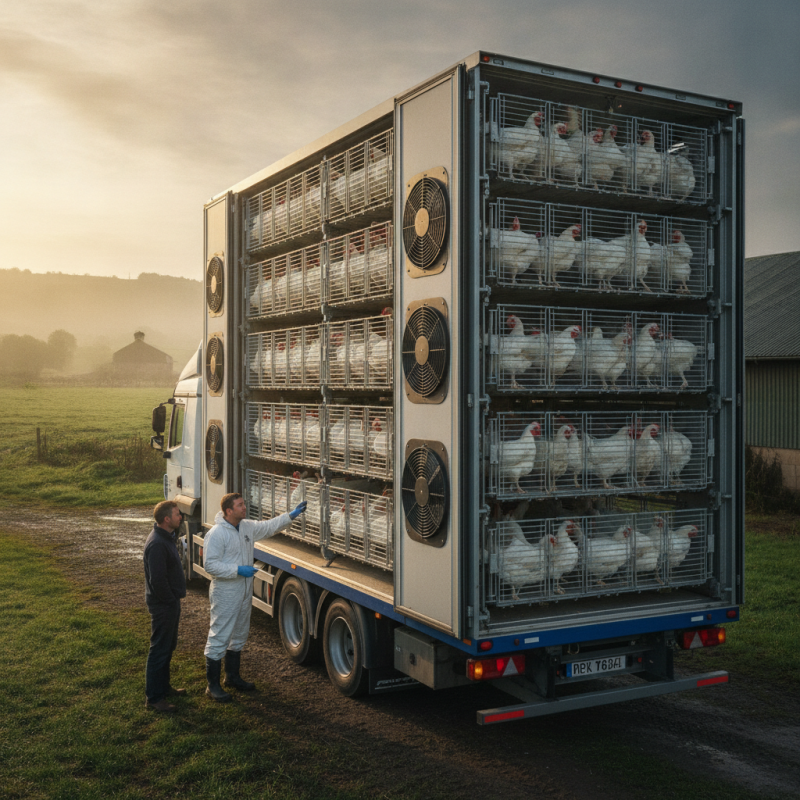
Overview of Chicken Transporter Vehicles
Transporting chickens requires specialized vehicles to ensure their safety and health. The design of these vehicles plays a crucial role in maintaining optimal temperatures and ventilation. According to a report by the Food and Agriculture Organization (FAO), proper transport conditions can reduce stress in chickens, which helps improve meat quality and egg production.
Selecting the right chicken transporter involves considering various factors. Vehicles should provide ample space and avoid overcrowding. Inadequate space can lead to increased stress and mortality rates. A USDA study indicates that well-designed transport solutions can lower mortality by over 15% during transit.
Tips for buyers: Ensure vehicles have adjustable ventilation systems to adapt to different weather conditions. Regular maintenance checks are essential to keep vehicles in top shape. Investing in high-quality transport can save costs in the long run. Observing the animal’s behavior during transit can reveal areas for improvement in transport practices.
Key Features to Consider in Chicken Transporter Vehicles
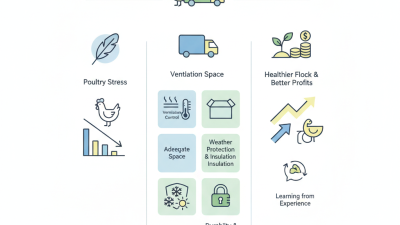
When selecting a chicken transporter vehicle, certain key features stand out. These vehicles require proper ventilation. Good airflow keeps the chickens comfortable during transport. It's vital that the design allows for temperature control. Extreme heat can lead to stress or even loss of life.
The flooring of the vehicle is another important aspect. It should be designed for easy cleaning and sanitation. Wet or dirty surfaces can pose health risks to the birds. Using non-slip materials can improve safety during loading and unloading. Security features, like durable locking mechanisms, ensure that the chickens remain safe throughout the journey.
Comfort during transport is crucial. The vehicle should have sufficient space to prevent overcrowding. Overcrowding can lead to injuries or stress among the flock. Visibility into the compartments allows the driver to monitor the birds easily. Regular maintenance of these vehicles is key to preventing unexpected breakdowns. Always ensure that the vehicle meets your specific needs.
Popular Types of Chicken Transporter Vehicles on the Market
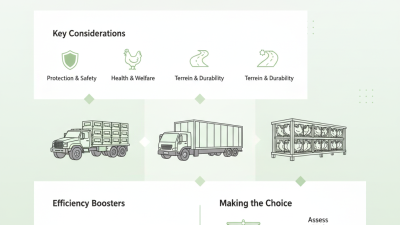
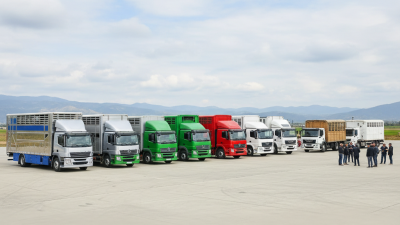
When it comes to transporting chickens, choosing the right vehicle is crucial. Various types of chicken transporter vehicles are available on the market, catering to different needs and preferences. The most common options include specialized trailers and trucks. Trailers often have compartments designed for ventilation and comfort. This ensures that birds can breathe easily during transportation. Trucks may also offer such features but often come with added space for larger operations.
Another popular choice is poultry crates, which are placed within vans or larger vehicles. These crates provide individual space for each bird, minimizing stress during transport. Despite their effectiveness, they may require more handling, leading to potential risks. It's essential to assess how loading and unloading affect the chickens. Some operators find that using handrails can make the process smoother.
Finally, some farms opt for custom-designed vehicles. These vehicles can significantly improve chicken welfare during transit. However, they may involve a higher cost and longer production timelines. It's important for buyers to evaluate both budget and welfare needs before making a decision. Each transport method has its pros and cons, and careful consideration is necessary to ensure a successful operation.
Best Chicken Transporter Vehicle Options for Global Buyers
| Vehicle Type |
Capacity (Birds) |
Temperature Control |
Key Features |
Average Price (USD) |
| Truck |
2000 |
Yes |
Large cargo space, air suspension, multiple compartments |
$50,000 - $80,000 |
| Van |
1000 |
Yes |
Compact design, easy access, customizable interiors |
$30,000 - $50,000 |
| Trailer |
3000 |
Optional |
Easily detachable, high capacity |
$25,000 - $40,000 |
| Specialized Chicken Transporter |
1500 |
Yes |
Optimized airflow, biosecurity features, reinforced structure |
$70,000 - $120,000 |
| Pickup Truck with Cage |
500 |
No |
Affordable, flexible use, easy to drive |
$15,000 - $25,000 |
Regional Variations in Chicken Transporter Vehicle Preferences
The global chicken transport industry showcases significant regional variations in vehicle preferences. In North America, for example, most producers favor larger transporters. These vehicles can accommodate higher volumes, maximizing efficiency. According to the Poultry Federation, a significant rise in demand for efficient transport solutions has led to a 15% increase in larger truck sales over the past five years.
Conversely, European countries often prioritize specialized designs. Many transporters focus on biosecurity measures to combat avian diseases. A recent study indicates that 60% of European farmers now invest in vehicles with advanced ventilation systems. This supports the welfare of the birds during transit and ensures compliance with EU regulations.
The situation in Asia presents its own challenges. Here, smaller farms predominantly utilize compact transporters due to cost constraints. Reports from the Asia-Pacific Poultry Industry Conference estimate that about 70% of farms operate vehicles with less capacity. While effective for local transport, these options may risk bird welfare during long-distance journeys. This discrepancy calls for further innovation and collaboration to enhance efficiency and safety in chicken transportation globally.
Best Practices for Maintaining Chicken Transporter Vehicles
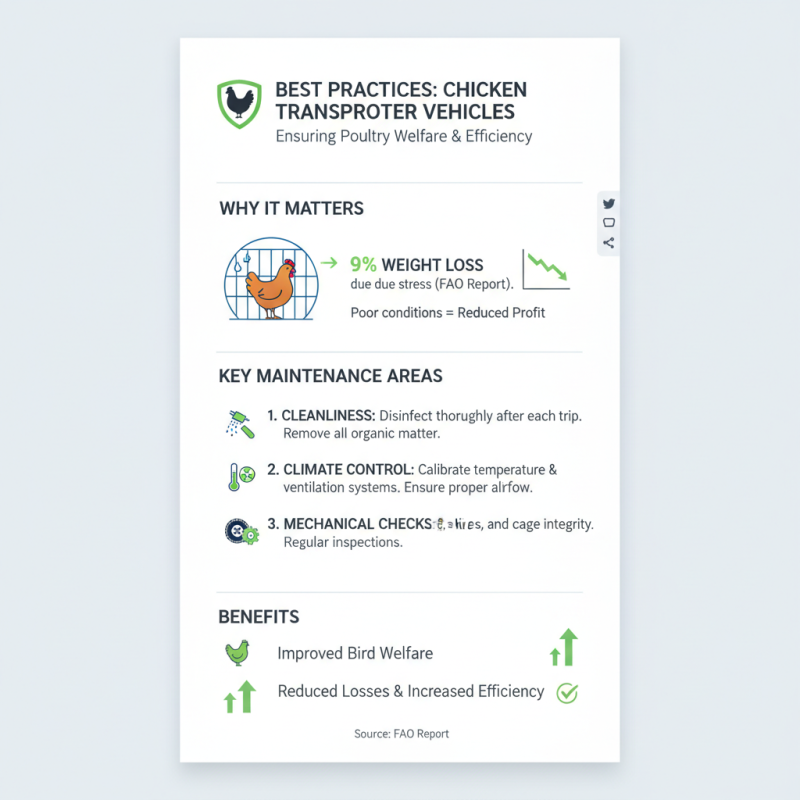
Maintaining chicken transporter vehicles is crucial for ensuring the welfare of poultry during transport. A recent report by the Food and Agriculture Organization (FAO) highlights that poor transport conditions can lead to a 9% loss in bird weight due to stress. Effective management practices can mitigate these losses and enhance overall efficiency.
Regular inspections are vital. Drivers should check for wear and tear on tires, brakes, and loading areas. This proactive approach can prevent potential breakdowns during transport, which can be detrimental to the poultry. Proper ventilation inside the vehicle is also essential. According to a study published by the Poultry Science Association, adequate airflow reduces heat stress, ensuring that birds remain healthy and less agitated.
Tips: Always keep the loading area clean to minimize disease risks. Implement a training program for drivers, focusing on animal welfare. Remember, even small lapses in protocol can lead to significant issues. Keeping records of your vehicle maintenance can provide insights for future improvements. Use these data to reflect on operational practices.