Top 10 Pig Transport Trucks for Global Buyers?
When it comes to transporting pigs, the right vehicle is essential. A reliable **Pig Transport Truck** ensures the animals' safety and comfort during transit. Many farmers and livestock traders across the globe face challenges in selecting the ideal truck for their needs. The variety in design and functionality can be overwhelming.
In this guide, we explore the top 10 pig transport trucks for buyers worldwide. Each truck is evaluated based on capacity, durability, and ease of use. Choice of materials and build quality can affect long-term reliability. Though some features are impressive, others may fall short. For instance, not all trucks are suited for long distances.
Buyers should consider specific needs based on their operation. Will the truck support local farming or long-haul transportation? Not every truck meets high standards. Understanding the pros and cons of each model is vital. This guide aims to provide insights and help buyers make informed decisions.
Types of Pig Transport Trucks Available in the Market
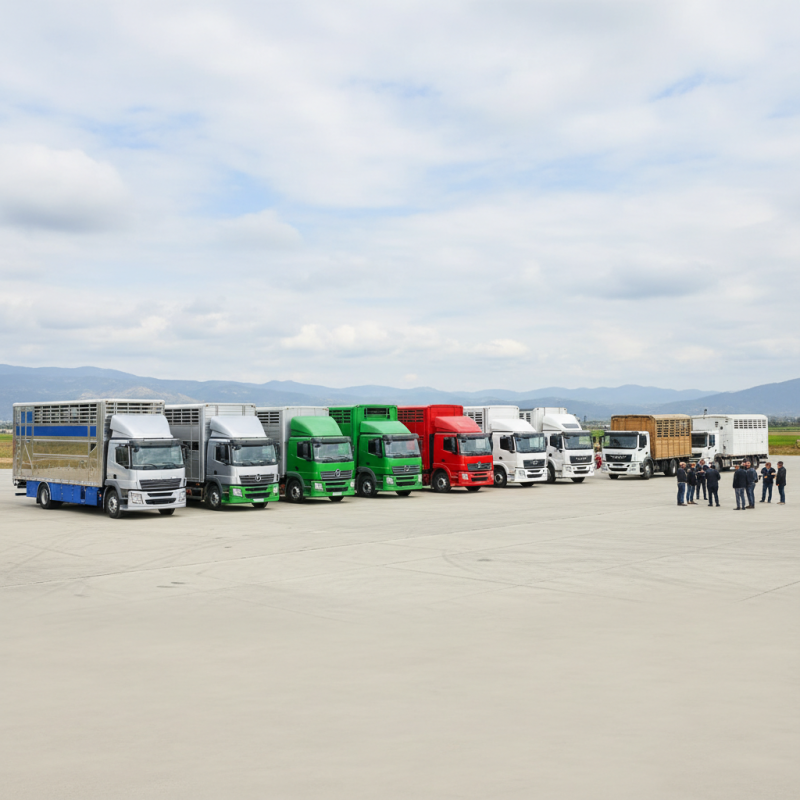
When considering pig transport trucks, various types come into play.
These trucks are specially designed to ensure the safety and comfort of livestock.
One common type is the modular truck. It allows adjustments for different numbers of pigs, making it versatile.
But finding the right setup can be a challenge. Buyers often struggle with compatibility issues.
Another popular model is the enclosed transport truck.
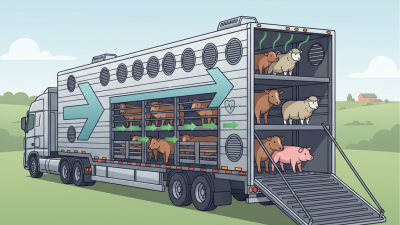
This type protects pigs from harsh weather. However, ventilation can be a concern.
Ensuring adequate airflow is crucial to avoid stress on the animals.
Buyers must carefully assess their needs based on climate conditions.
Open-air trailers are also available. These offer easy loading and unloading.
Yet, they expose pigs to environmental elements.
Owners need to weigh the pros and cons before making a decision.
Each option has its benefits and drawbacks.
The right choice often requires thoughtful considerations and expert advice.
Key Features to Consider When Choosing a Pig Transport Truck
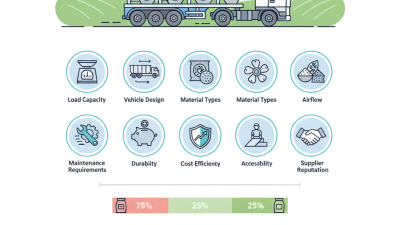
When selecting a pig transport truck, several key features play a significant role. The size of the truck often dictates its capacity. You need to ensure it meets industry standards for animal welfare. A suitable truck should allow ample space for pigs to move comfortably. Overcrowding can lead to stress and health issues.
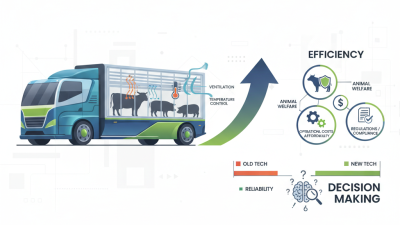
Proper ventilation is also crucial. Pigs are sensitive to temperature and can become overheated during transport. Look for trucks equipped with ventilation systems that can maintain a stable climate. Additionally, consider the flooring. Non-slip surfaces are vital to prevent injuries during transportation.
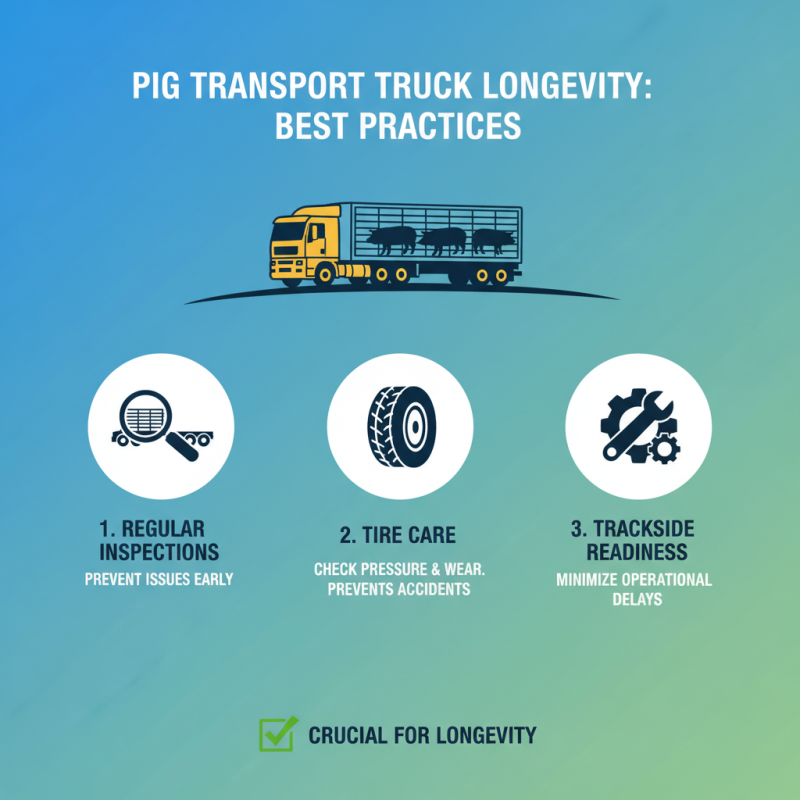
Tips: Regularly inspect your transport truck for wear and tear. Even small issues can escalate into larger problems. Always keep the truck clean to promote hygiene and prevent disease transmission among animals.
Another aspect to reflect on is the loading and unloading process. Ensure that there are ramps that facilitate safe movement. Pigs can panic during these processes, causing harm to themselves and handlers. Implementing training for staff on handling animals can greatly reduce stress levels during transport.
Top 10 Pig Transport Trucks for Global Buyers
| Model |
Loading Capacity (kg) |
Dimensions (LxWxH) |
Fuel Type |
Key Features |
| Model A |
5000 |
6.5m x 2.5m x 2.5m |
Diesel |
Air suspension, Climate control |
| Model B |
6000 |
7.0m x 2.6m x 2.5m |
Gasoline |
Hydraulic ramps, GPS tracking |
| Model C |
5500 |
6.8m x 2.4m x 2.3m |
Biofuel |
Reinforced flooring, Ventilated design |
| Model D |
4800 |
6.2m x 2.5m x 2.4m |
Diesel |
Low entry design, Adjustable dividers |
| Model E |
5300 |
7.1m x 2.7m x 2.5m |
Electric |
Silent operation, Digital monitoring |
| Model F |
7000 |
8.0m x 2.8m x 2.6m |
Diesel |
High capacity, Double deck |
| Model G |
4900 |
6.4m x 2.5m x 2.4m |
Gasoline |
Durable construction, Easy loading |
| Model H |
5200 |
6.7m x 2.6m x 2.5m |
Diesel |
Safety features, Adaptable layout |
| Model I |
5600 |
7.2m x 2.7m x 2.5m |
Biofuel |
Eco-friendly, Advanced cooling system |
| Model J |
6000 |
8.1m x 2.8m x 2.6m |
Diesel |
Heavy-duty, Smart technology integration |
Top Manufacturers of Pig Transport Trucks Globally
When exploring the top manufacturers of pig transport trucks globally, it's essential to focus on reliability and functionality. Effective transport solutions ensure the welfare of animals during travel. Many manufacturers emphasize custom design and technology. These features aim to enhance ventilation and comfort. Quality materials used in construction also play a critical role.
Manufacturers often adopt safety protocols that ensure compliance with standards. However, there are variations in quality and design across different regions. Some designs may not prioritize animal welfare adequately, leading to challenges in transportation. Buyers must carefully evaluate what truly meets their needs.
Attention to detail is crucial in creating an ideal transport system. Features such as spacious compartments and proper loading mechanisms contribute significantly. A lack of understanding in choosing these details can lead to inefficiencies. Reflecting on past experiences with different transport options can guide future decisions.
Comparative Analysis of Price Ranges for Pig Transport Trucks
When evaluating pig transport trucks, price ranges vary significantly based on several factors. Buyers need to assess their needs carefully. There are budget options and high-end choices, each offering different features. Typically, prices can range from $15,000 to over $100,000. This discrepancy reflects the quality and technology used in the trucks.
Truck modification plays a crucial role in price determination. Standard configurations may not suit all buyers. Some require specific features, like enhanced ventilation and spacious loading areas. However, customizing these elements can quickly increase costs. Buyers should weigh if these upgrades align with their operational demands without overspending.
Another consideration is maintenance costs, which often remain overlooked. A low initial purchase price can lead to higher long-term expenses. Reliable trucks may demand a higher upfront investment but can save money over time. Understanding the total cost of ownership is essential. Not all trucks fit every operation style. Choosing wisely depends on an ideal balance between price and functionality.
Top 10 Pig Transport Trucks: Price Ranges Analysis