Leave Your Message

Top 10 Chicken Transporter Vehicles for Poultry Farms

Moving live poultry safely from farm to destination takes more than a powerful truck. A Chicken Transporter Vehicle must support secure crate placement, steady loading, and suitable airflow. Drivers also need clear access to inspect equipment and respond to changing conditions. Heat, rough roads, delays, and tightly packed crates can quickly affect a journey. Small details matter. A poorly ventilated corner can become a serious concern.

Animal-handling expert Dr. Temple Grandin is widely quoted as saying, “The most important thing about animal welfare is how the animal feels.” That principle applies when farms compare transport vehicles. A specification sheet may list capacity and dimensions, but daily performance depends on practical details: crate compatibility, suspension, cleaning access, and dependable ventilation. No vehicle is perfect. Farm layouts, flock sizes, and route conditions vary, so one popular model may not suit every operation.

This guide introduces ten Chicken Transporter Vehicle options for poultry farms, highlighting the features buyers can compare. It considers loading design, usable capacity, road performance, ventilation systems, and maintenance needs. It also points out trade-offs, because higher capacity can mean different handling demands. Use the list as a starting point, then check each vehicle against your farm’s actual routes, equipment, and operating routines. A brochure cannot replace a careful site assessment.
Top 10 Chicken Transporter Vehicles for Poultry Farms

What Chicken Transporter Vehicles Do on Poultry Farms

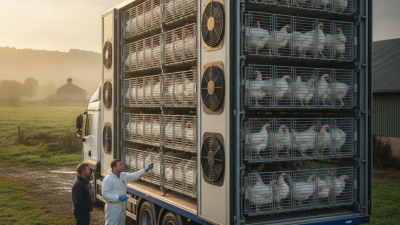
On poultry farms, chicken transporter vehicles move live birds between growing houses, processing facilities, or other destinations. Their job is not just carrying crates. They must keep loads stable, provide steady airflow, and limit sharp temperature changes during the trip. Ventilation openings should stay clear, even when crates are stacked tightly. Small blockages matter.

A good transport setup begins before loading. Staff check the floor, ramps, crates, and ventilation system, then adjust loading density for bird size and weather. During travel, drivers avoid abrupt braking and watch for unusual heat, cold, or delays. In hot weather, airflow and timing can matter as much as distance. In cold or wet conditions, drafts and damp bedding need attention. There is no perfect setting.

These vehicles also support hygiene and traceability. Cleaning between loads and recording departure times, routes, and problems can help farms identify weak points. A clean exterior can still hide dirty corners. That is easy to miss. Vehicles cannot correct poor catching or overcrowding, so transport works best when farm crews, drivers, and receiving staff coordinate. Even a familiar route can be rougher today because traffic, weather, or bird condition has changed.
How Transport Needs Influence Vehicle Choice

Choosing among chicken transporter vehicles starts with the journey, not the vehicle’s advertised capacity. A farm moving birds a few miles on paved roads has different needs from one using narrow lanes or rough access tracks. Measure the tightest turn and check bridge limits before choosing a larger vehicle. It may not reach the loading area.

Loading conditions matter, too. A low, stable floor and suitable access can reduce difficult handling at the farm gate. Check that the ventilation system can maintain airflow across the full load, including during slow traffic. For longer trips, consider temperature monitoring, reliable air circulation, and enough space for routine inspections. Cleanable surfaces and a clear washing process support biosecurity between loads. Details matter.

The best choice balances bird numbers, journey length, road conditions, and safe loading. A planning estimate can still be wrong: harvest schedules change, and wet ground may make a familiar route harder to use. Leave practical room for those variables instead of selecting a vehicle that only works on an ideal day. Compare expected payload with the vehicle’s actual limits, and review animal-welfare guidance for the region and journey. A careful route check can reveal more than a specification sheet.

Top 10 Chicken Transporter Vehicles for Poultry Farms - How Transport Needs Influence Vehicle Choice

Payload figures below are indicative ranges, not guaranteed carrying capacities. Actual payload depends on the vehicle’s rated gross weight, body and equipment weight, axle limits, crate or module layout, and local regulations. Live-bird numbers are intentionally not specified because bird size, loading density, ventilation, journey conditions, and applicable welfare rules affect safe loading.

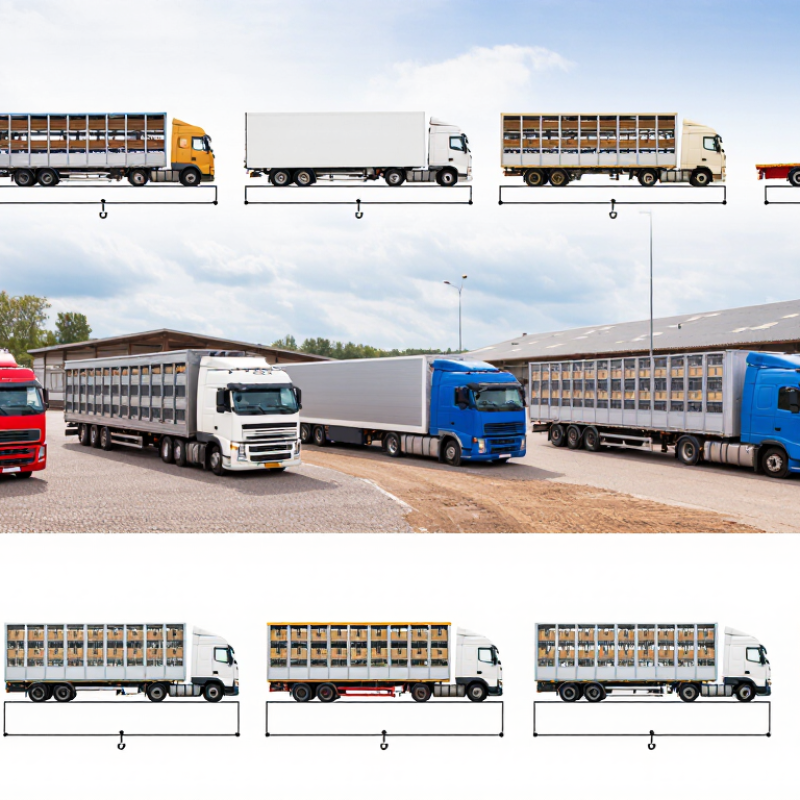
No. Vehicle type Indicative payload range Best suited to How transport needs influence the choice Main considerations
1 Compact commercial van with ventilated cargo area About 0.5–1.2 tonnes Short, small-volume movements between nearby farm buildings or local sites. Choose it when access, parking, and maneuverability matter more than carrying capacity. Provide secure, cleanable crate restraints and suitable airflow. Standard cargo vans may need modifications and may not be appropriate for long journeys or hot conditions.
2 Pickup or utility truck with a ventilated crate rack About 0.7–1.5 tonnes Small farms, rough access roads, and occasional short-distance trips. Its maneuverability can suit dispersed sites and uneven farm tracks where a larger truck cannot easily operate. Confirm the rated payload after adding the rack, covers, and other equipment. Keep crates secured and ensure the setup does not obstruct airflow.
3 Light rigid truck with a ventilated poultry body About 1.5–4 tonnes Small to medium farms making regular local collections or deliveries. A useful step up when a van or pickup is too small, while still offering access to many farm roads and loading areas. Body design, crate access, load distribution, and turning space should match the farm’s loading equipment and route conditions.
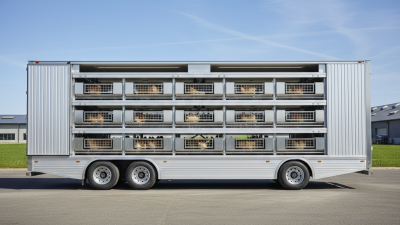
4 Medium rigid truck with a multi-level crate body About 4–10 tonnes Routine farm-to-processing-site movements and medium-volume operations. Multi-level loading can use vehicle space efficiently when larger batches need to move in one trip. Check total vehicle height and route restrictions. Airflow must reach all crate levels, and the loaded vehicle must remain within axle and gross-weight limits.
5 Heavy rigid live-poultry truck About 8–15 tonnes High-volume regional movements where access permits a larger rigid vehicle. It can carry more than a light or medium truck without requiring a separate tractor and trailer. Confirm bridge, road, turning, and site-access limits. Loading plans should account for axle distribution as well as total payload.
6 Purpose-built multi-deck live-haul rigid vehicle Typically about 4–15 tonnes, depending on chassis size Frequent live-bird collection where quick, organized crate handling is important. Dedicated decks and crate-handling features can reduce manual handling and make loading more consistent across repeated trips. Deck layout must support adequate ventilation, secure crate placement, safe access, and cleaning. Added body equipment reduces available payload.
7 Tractor unit with a live-poultry semi-trailer Often about 20–28 tonnes, subject to local limits and trailer specification Large farms, integrators, and long-distance, high-volume transport routes. High carrying capacity can reduce the number of trips when route length, loading facilities, and delivery schedules justify an articulated vehicle. Requires suitable turning and loading space. Verify route-specific weight limits, trailer configuration, ventilation, and contingency arrangements for delays.
8 Rigid or articulated vehicle carrying removable poultry modules Varies by chassis and module system; commonly several tonnes to more than 20 tonnes Operations that transfer standardized modules between farm, vehicle, and receiving site. Removable modules can streamline handoffs and help coordinate loading with compatible handling equipment at both ends. Modules must be compatible with the vehicle and lifting equipment, securely restrained for travel, and arranged to preserve airflow and legal weight limits.
9 Ventilated, temperature-managed vehicle for day-old chicks Depends on chassis; commonly configured on light or medium vehicle platforms Hatchery-to-farm delivery of day-old chicks, particularly where environmental stability is important. Choose environmental controls and route capacity according to chick age, journey duration, outside weather, and delivery schedule. Use chick-appropriate ventilation and temperature management rather than assuming a standard live-bird crate setup is suitable. Monitor conditions during loading and transit.
10 Climate-managed live-haul rigid truck or semi-trailer Depends on chassis; from light-truck payloads to articulated-trailer payloads Longer journeys or operations facing wide seasonal temperature variation. Environmental management may be valuable when journey duration and weather make stable conditions harder to maintain with passive ventilation alone. Systems should support appropriate fresh-air exchange and monitoring. They do not replace careful loading, journey planning, vehicle maintenance, or compliance with animal-welfare requirements.

Essential Features of Poultry Transport Vehicles

Poultry transport vehicles need to protect birds while keeping loading and unloading steady. USDA’s 2023 Poultry Slaughter report records about 9.4 billion young chickens processed in the United States. That scale makes dependable ventilation, secure crate positions, and efficient loading more than minor conveniences. Air must move through every tier, not just near the vehicle doors. Fans, vents, and adjustable airflow help reduce stagnant, hot pockets during warm-weather trips. Small details matter. Smooth crate edges and secure restraints can limit jolts, rubbing, and sudden shifts on uneven farm roads.

A practical vehicle also needs washable flooring, reliable drainage, and enough access for routine inspection. Temperature and humidity sensors offer useful warnings, but one sensor cannot describe every crate. Placement matters. Drivers should be able to check readings and respond without delaying safe handling. EFSA’s 2022 scientific assessment of birds transported in containers identifies thermal conditions and ventilation as key welfare concerns. This supports designing for the conditions at bird level, rather than relying only on the cab display. A trade-off remains: more equipment can add maintenance points and weight. I would review airflow and sensor performance after real routes, because a neat specification sheet may not match a crowded load on a still, humid day.

Ten Chicken Transporter Vehicle Types Used on Farms

Chicken transport on a farm may involve short trips between poultry houses, loading areas, and veterinary facilities. The right vehicle depends on bird numbers, road surface, distance, and how crates can be secured. Typical choices are a tractor with poultry trailer, flatbed utility vehicle, and pickup with a ventilated crate trailer. A compact electric cart suits light loads on smooth lanes; a side-by-side utility vehicle handles rougher tracks. An enclosed livestock van offers weather protection, while a box truck can carry larger batches in secured, ventilated modules. Some farms use purpose-built, multi-tier poultry trucks for regular, high-volume movements. Others rely on modular cage trailers or a low-speed farm wagon.

These options are not interchangeable. Before loading, check floor grip, crate locks, tire condition, and airflow at bird level. On a warm afternoon, a stationary vehicle can heat quickly, even when the journey is brief. Keep loads balanced and avoid sharp turns; loose crates may shift and block ventilation. Vehicle capacity should be judged by usable crate space, not just advertised payload. Small farms benefit. A simple cart may be easier to clean than a large truck, but it can make trips slower. Check it twice. That trade-off deserves a second look.

Comparing Capacity, Bird Welfare, and Operating Costs

When comparing the top ten chicken transporter vehicles, look beyond advertised capacity. Usable floor space, crate arrangement, and loading access determine how efficiently a vehicle handles a flock. A large body may carry more birds on paper but create bottlenecks at the loading ramp. Measure the actual setup. Fit matters.

Bird welfare depends on more than space. Check airflow around loaded crates, secure partitions, and whether workers can load birds without awkward lifting. During a warm-weather trial, note heat buildup in the middle rows, not just near the doors. Easy-to-clean floors and drainage also matter between trips. Small details count.

Operating costs include fuel, labor, cleaning time, maintenance, and downtime. A higher-capacity vehicle may reduce trips, but only if its routes and loading facilities can accommodate it. Compare cost per usable load, rather than purchase price alone. Keep records from real journeys; estimates can be wrong. A scoring table helps, but it cannot capture every farm’s road conditions, flock size, or seasonal pressures. That limitation deserves honest attention.

Top 10 Chicken Transporter Vehicles for Poultry Farms

Comparing estimated load capacity and fuel cost per 1,000 birds over 100 km

Planning estimates only, not certified vehicle capacities or fleet operating data. Capacity assumes birds averaging about 2 kg; actual loads depend on vehicle payload, usable crate space, stocking density, local rules, and journey conditions. Fuel cost is calculated using an illustrative diesel price of US$1.20 per litre and excludes labor, maintenance, and other expenses. For bird welfare, prioritize appropriate stocking density, ventilation, temperature control, and careful loading and unloading; a larger load does not by itself indicate better welfare.