Leave Your Message

Top 10 Fresh Food Transport Vehicles for Global Buyers

Fresh food can lose quality quickly when temperature, handling, or delivery timing falls short. A Fresh Food Transport Vehicle helps move produce, dairy, meat, seafood, and other chilled goods while managing these practical risks. Yet no single vehicle suits every route. A city distributor making frequent stops has different needs from an exporter crossing long distances.

This guide introduces ten vehicle types and configurations for global buyers. It considers useful factors such as insulated body design, refrigeration capacity, payload, loading access, and route conditions. A refrigerated van may fit narrow streets and smaller orders. A larger truck can carry more pallets, but it may be harder to maneuver and cost more to operate. Details matter. Even door-opening frequency can affect temperature stability during busy deliveries.

Buyers should compare specifications with real operating needs, not rely on labels alone. Ask suppliers for clear data on usable cargo volume, temperature control, service support, and maintenance requirements. Where possible, review performance records from similar routes and loads. A brochure is not a field test. Some choices remain uncertain, especially when climate, infrastructure, and delivery habits vary between markets. That is worth acknowledging. The right vehicle is the one that protects product quality consistently, fits the transport plan, and can be maintained over time.
Top 10 Fresh Food Transport Vehicles for Global Buyers

What Fresh Food Transport Vehicles Are and How They Preserve Cargo

Fresh food transport vehicles are insulated or refrigerated vehicles designed to move produce, dairy, meat, and other perishable foods while limiting temperature changes. They range from small vans with chilled compartments to larger trucks with separate temperature zones. The right setup depends on the cargo, journey length, and loading conditions.

Refrigeration removes heat, while insulated walls and sealed doors slow outside warmth from entering. Pre-cooling cargo helps; a vehicle cannot quickly cool warm produce without stressing the cooling system. Set temperatures to suit the specific food, since one setting does not fit every load. Airflow matters, too. Leave space around crates and keep vents clear, so cold air can circulate rather than pool near the ceiling. For leafy greens, suitable humidity can reduce wilting, while excess moisture may encourage spoilage. Small details count.

Drivers and handlers can monitor compartment readings during transit and check door seals before departure. A thermometer near the cooling unit may not reflect conditions at the back of the load, so several measurement points offer a clearer picture. Still, sensors need calibration, and readings cannot reveal every damaged package. No system is perfect. Clean interior surfaces, careful loading, and prompt unloading help protect food quality, but real routes bring delays and frequent door openings. Even a well-equipped vehicle needs attentive handling.
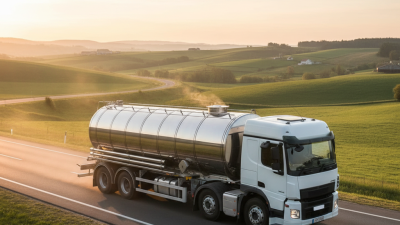
Key Features Buyers Should Compare Across Fresh Food Transport Vehicles

When comparing fresh food transport vehicles, buyers should look beyond the advertised temperature range. Ask how evenly the cargo area holds temperature during loading, traffic delays, and frequent door openings. A chilled display may look reassuring, but it does not show conditions near the rear doors. Check whether the vehicle supports temperature monitoring and keeps readable trip records. Those records can help teams investigate a warm delivery without guessing.

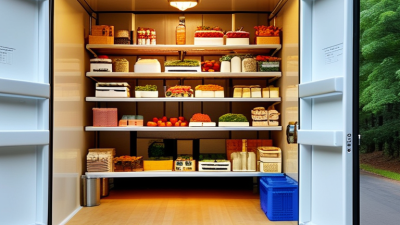
Airflow matters. Shelves, crates, and partitions can block vents, leaving warm pockets around tightly packed produce or dairy. Compare usable cargo dimensions with your actual containers, not just the stated volume. Check insulation quality, door seals, and how quickly the cooling system recovers after unloading. Small details count. A worn seal can invite condensation and temperature swings. Cleaning is another practical test: smooth, accessible surfaces are easier to wash than narrow corners. Ask about drainage, corrosion resistance, and service access before choosing.

Payload, axle capacity, and refrigeration equipment weight should be reviewed together. More cooling power is not automatically better if it cuts into legal cargo capacity or raises operating costs. Consider fuel or energy use across typical routes, including hot-weather stops and overnight parking. Ask local operators about maintenance response times and spare-part availability. The brochure may be optimistic. A short trial with representative loads can reveal awkward door handling, noisy equipment, or controls that drivers find confusing.

Ten Fresh Food Transport Vehicle Types for Global Buyers

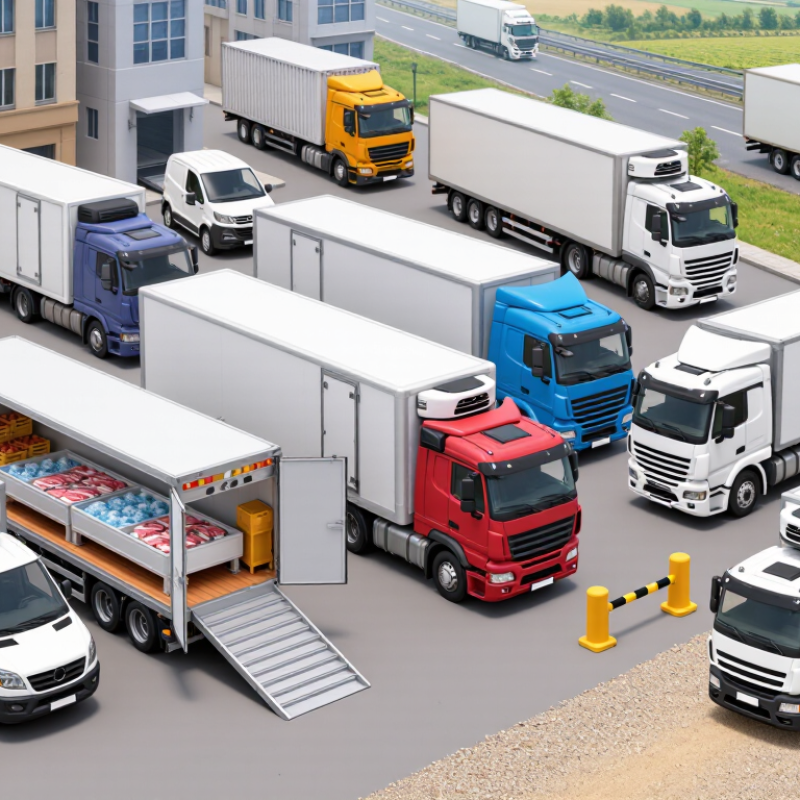
Global buyers should match fresh food transport vehicles to cargo volume, route length, loading conditions, and local climate. An insulated van suits short urban deliveries of packaged produce. A refrigerated van adds active cooling for dairy, cut vegetables, or other temperature-sensitive goods. A small electric refrigerated van can work well on quiet city routes, though range may fall when cooling runs continuously. An insulated pickup offers flexibility for limited loads, but it may not protect food adequately on long, hot trips. A refrigerated box truck carries larger orders and provides enclosed space for organized crates. Details matter.

For heavier distribution, a refrigerated truck with a liftgate can simplify loading where no dock is available. A multi-temperature vehicle separates chilled products from items needing different conditions, but careful compartment checks are essential. A refrigerated semi-trailer supports high-volume, long-distance freight; its size may limit access to narrow streets. A refrigerated container chassis moves containerized food between ports, warehouses, and inland hubs, while transfer delays can affect product quality. Finally, a refrigerated light truck balances capacity and maneuverability for regional deliveries. Operators should verify usable payload, insulation condition, cooling performance, and temperature records before purchase. A specification sheet alone is not enough. Real routes expose weak points, and even experienced buyers can overlook door-open time or poorly arranged crates.

How Vehicle Choices Match Different Fresh Food Cargo and Routes

Choosing a fresh food vehicle starts with the cargo, not the distance alone. Leafy greens bruise easily and need steady cooling with gentle airflow. A refrigerated van suits short urban deliveries, where narrow streets and frequent stops matter. For a farm-to-market route, an insulated truck with a refrigeration unit can carry more crates without exposing them to warm air during loading. Small details count. A door left open for five minutes can disturb the temperature inside.

Fish and meat need reliable temperature monitoring and cleanable cargo surfaces. On longer routes, a multi-compartment vehicle can carry products with different temperature needs, though extra partitions reduce usable space. Frozen goods require equipment designed to maintain subzero conditions; a standard chilled truck is not a substitute. For mixed produce, adjustable shelves and separated airflow can limit crushing and help prevent odors from spreading. Check the actual cargo temperature, not just the dashboard display.

Route conditions change the best choice. Mountain roads may favor a smaller, stable truck, while high-volume highway shipments often need a larger refrigerated trailer. In hot regions, insulation and cooling capacity deserve close attention, especially during delays at loading bays. A larger vehicle is not always better. It can waste fuel on sparse routes and make city access harder. Even careful planning misses things; loading patterns and door habits can undo good equipment choices.

Top 10 Fresh Food Transport Vehicles for Global Buyers - How Vehicle Choices Match Different Fresh Food Cargo and Routes

Vehicle type Typical payload range* Suitable fresh food cargo Typical temperature or handling Best-matched routes Why buyers choose it
1. Refrigerated van About 0.5–1.5 tonnes Dairy, prepared foods, meat, seafood, and small produce consignments Chilled or frozen, depending on the refrigeration unit and body specification Urban deliveries, short regional trips, and frequent multi-stop routes Compact size supports access to city streets and small delivery sites.
2. Light refrigerated truck About 1–3 tonnes Fresh vegetables, fruit, meat, and chilled grocery loads Typically configured for chilled service; some bodies support frozen transport Farm-to-market trips and suburban distribution Offers more cargo volume than a van while remaining suitable for local distribution.
3. Medium refrigerated rigid truck About 3–8 tonnes Boxed produce, dairy, meat, and mixed chilled foods Temperature controlled to suit the cargo, with airflow and loading practices matched to the product Intercity and regional routes with several delivery points Balances carrying capacity, maneuverability, and delivery flexibility.
4. Heavy refrigerated rigid truck About 8–18 tonnes Large palletized loads of produce, meat, seafood, or dairy Chilled or frozen specification selected for the commodity and route Longer domestic haulage and distribution-center deliveries Carries substantial loads without requiring a separate tractor and trailer.
5. Refrigerated semi-trailer combination Often about 20–28 tonnes, subject to legal limits and configuration High-volume palletized fruit, vegetables, meat, and frozen foods A common frozen-food set point is −18°C or colder; chilled set points vary by product Long-distance highway routes and distribution-center-to-distribution-center transport High capacity can lower transport cost per unit on suitable long-haul routes.
6. Multi-temperature refrigerated truck or trailer Varies by vehicle size; commonly used for multi-pallet distribution loads Mixed consignments such as chilled dairy, produce, and frozen products Partitioned compartments can be set to different temperatures when the equipment supports it Retail and food-service routes serving customers with different temperature needs Allows different temperature groups to travel together, subject to correct loading and compartment design.
7. Insulated fresh-fish truck About 1–15 tonnes, depending on chassis and body Fresh fish and seafood packed in food-grade boxes, often with ice Maintain a consistently cold environment; use drainage, washable surfaces, and appropriate ice management Fishing port to processor, wholesale market, or regional distribution hub A cleanable, insulated cargo area and suitable drainage support seafood handling requirements.
8. Live-fish tank truck Varies widely with tank volume, water weight, and axle limits Live fish and other suitable live aquatic products Requires species-appropriate water temperature, oxygenation, circulation, and water-quality monitoring Fish farms to processing sites, markets, or stocking locations Purpose-built tanks and life-support systems transport live cargo rather than boxed product.
9. Ventilated produce truck About 1–20 tonnes, depending on body and chassis Selected whole fruits and vegetables that need ventilation and are not dependent on refrigerated transport for the planned trip Protect from sun, rain, and excessive heat; provide airflow and avoid overloading Short harvest-to-market routes and regional trips in suitable weather A simpler option for appropriate produce and routes where active refrigeration is not required.
10. Refrigerated container chassis combination Container payload commonly reaches the low-to-mid 20-tonne range, subject to container, vehicle, and road limits Export or import shipments of fruit, vegetables, meat, seafood, and frozen foods Refrigerated container unit maintains the specified set point; loading must allow proper air circulation Port-to-warehouse drayage and multimodal sea, road, and rail supply chains Standardized containers support transfer between transport modes without unloading the cargo.

*Payload figures are indicative planning ranges, not guaranteed vehicle specifications. Actual payload depends on vehicle design, refrigeration equipment, body weight, axle limits, local road regulations, and cargo packaging. Temperature requirements differ by commodity, variety, condition, and journey; confirm the applicable food-safety rules and product-specific handling guidance before transport.

What to Check Before Purchasing a Fresh Food Transport Vehicle

Before purchasing a fresh food transport vehicle, check whether its temperature range matches your actual cargo. Leafy greens, dairy, and frozen products do not share the same needs. Ask for temperature-mapping records, not just the setpoint displayed on the control panel. A cold corner matters. So does a warm rear door.

Inspect insulation, door seals, drainage, and interior surfaces in person. Look for cracked seals, standing water, and hard-to-clean joints. Check the refrigeration unit’s performance during loading, frequent door openings, and hot-weather operation. Request fuel or energy-use figures under comparable conditions. The FAO’s 2019 report estimated that 14 percent of food was lost between harvest and retail worldwide. Transport is only one part of that loss, but poor temperature control can make it worse.

Confirm payload after refrigeration equipment is fitted; advertised capacity can be misleading. Test loading access with your real crates, and check that airflow remains unobstructed when they are stacked. Review service availability, spare-part lead times, warranty terms, and driver training requirements. Ask for maintenance logs and an independent temperature-sensor calibration record. A polished specification sheet is useful, but it cannot show how the vehicle behaves on a rough delivery route. Temperature targets and operating rules also vary by product and destination, so verify them with qualified local food-safety professionals before purchase.

Fresh Food Transport: Typical Temperature Ranges

Temperature capability is a key check when comparing refrigerated vehicles. These indicative ranges vary by product and local requirements; confirm the cargo specification before purchasing.

Ranges shown in °C. Actual setpoints depend on the specific food, packaging, loading conditions, and applicable regulations.