Top 10 Refrigerated Delivery Vehicles You Should Consider?
In the rapidly evolving world of logistics, refrigerated delivery vehicles play a crucial role. These vehicles ensure that perishable goods are transported safely and efficiently. Industry expert Michael Harris, who has over 15 years of experience in refrigerated transport, states, “Choosing the right refrigerated delivery vehicle can make or break your business’s success.” His insights reflect the importance of selecting the best options in a competitive market.
Consumers demand freshness, and businesses must meet this expectation. Properly functioning refrigerated delivery vehicles are vital for maintaining product quality. They protect against spoilage and waste, helping to uphold a brand’s reputation. As logistics needs diversify, so do vehicle options. Understanding available choices can be overwhelming.
Yet, with the right knowledge, selecting the perfect vehicle becomes manageable. Some models might excel in energy efficiency, while others focus on capacity. Assessing what your business truly needs requires careful consideration. It’s essential to align your choice with operational goals and environmental guidelines. Each decision reflects your commitment to quality and sustainability in refrigerated transport.

Overview of Refrigerated Delivery Vehicles and Their Importance
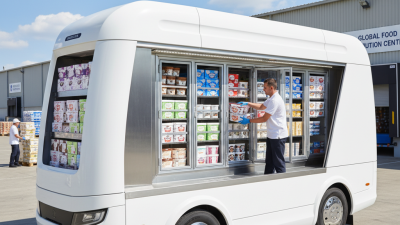
Refrigerated delivery vehicles play a critical role in the supply chain. They ensure that perishable goods, like food and medicine, reach consumers in optimal condition. These vehicles maintain steady temperatures, protecting the integrity of sensitive products. For businesses, investing in reliable refrigerated transportation means enhancing customer trust. It also prevents costly spoilage and waste.
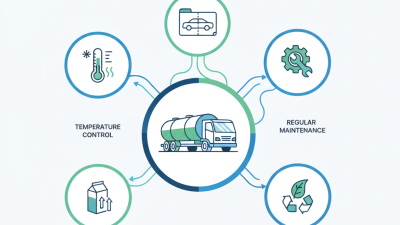
Choosing the right refrigerated vehicle requires careful consideration. Not all vehicles are created equally. Factors such as size, cooling capacity, and energy efficiency should guide your decision. Many companies overlook the importance of maintenance, which can lead to failures. A poorly maintained vehicle could compromise product quality. Regular checks and a reliable service plan are essential for success.
Additionally, the search for innovation is ongoing. New technologies aim to improve insulation and reduce energy consumption. Companies should stay informed about these advancements. However, it’s crucial to weigh the benefits against potential costs. Balancing quality, efficiency, and budget involves ongoing reflection and adjustment. Addressing these challenges head-on can lead to better overall performance in refrigerated delivery.
Key Features to Look for in Refrigerated Delivery Vehicles
When considering refrigerated delivery vehicles, key features should not be overlooked. Temperature control is paramount. A reliable refrigeration unit is necessary for maintaining product quality, particularly for perishable goods. According to a report by the Refrigerated Transport Association, maintaining a temperature of 0-5°C can reduce spoilage rates by up to 30%. Ensuring precision in temperature management is crucial for businesses transporting temperature-sensitive items.
Space and load capacity also play significant roles. Optimal designs allow for efficient use of available space, preventing damage to goods. Factors such as shelf height and load ease can impact delivery times and operational efficiency. A study by the National Association of Freight Transportation suggests that vehicles designed for maximum load efficiency can cut delivery times by 15%. This efficiency is essential for businesses needing quick turnaround times.
Consider the vehicle's insulation quality. Poor insulation can lead to temperature fluctuations, affecting product integrity. Some reports highlight that poorly insulated vehicles can experience temperature changes of up to 10°C during transit. This inconsistency can lead to significant financial losses. Therefore, it’s vital to evaluate insulation when choosing a refrigerated vehicle.
Top 10 Refrigerated Delivery Vehicles for Efficient Transportation
When it comes to refrigerated delivery vehicles, efficiency is key for transporting perishable goods. According to industry reports, refrigerated transport accounts for 30% of total logistics costs. Selecting the right vehicle can minimize these expenses. Look for vehicles with high energy efficiency ratings. Electric options are increasingly popular, reducing both costs and emissions.
Proper insulation is critical. A well-insulated vehicle maintains temperature effectively. This minimizes spoilage and preserves product quality. Many companies overlook how maintenance affects efficiency. Regular checks on cooling systems can prevent costly breakdowns. Consider the vehicle's payload capacity too; an oversized vehicle can lead to wasted fuel.
Tips: Always assess your delivery routes. Short routes may benefit from smaller vehicles. This lowers fuel costs and simplifies urban navigation. Stay updated on regulatory changes regarding temperature-sensitive loads. Compliance affects service continuity and customer satisfaction. Exploring telematics systems can also provide valuable data for optimizing routes and monitoring vehicle performance.
Top 10 Refrigerated Delivery Vehicles for Efficient Transportation
| Vehicle Model |
Capacity (Cubic Feet) |
Temperature Range (°F) |
Fuel Type |
Average MPG |
| Model A |
300 |
-20 to 70 |
Diesel |
15 |
| Model B |
250 |
-10 to 60 |
Gasoline |
18 |
| Model C |
400 |
-5 to 65 |
Electric |
20 |
| Model D |
350 |
-15 to 70 |
Compressed Natural Gas |
16 |
| Model E |
450 |
-20 to 60 |
Hybrid |
22 |
| Model F |
300 |
-10 to 50 |
Diesel |
14 |
| Model G |
500 |
-15 to 65 |
Gasoline |
19 |
| Model H |
450 |
-20 to 70 |
Electric |
21 |
| Model I |
350 |
-5 to 60 |
Compressed Natural Gas |
15 |
| Model J |
420 |
-20 to 65 |
Hybrid |
23 |
Comparative Analysis of Refrigerated Delivery Vehicle Brands
When evaluating refrigerated delivery vehicles, a comparative analysis of brands highlights key factors to consider. Reliability and temperature control are critical for fresh goods. According to industry reports, roughly 30% of perishable products spoil due to inadequate temperature maintenance during transport. Thus, brands prioritizing insulation quality tend to deliver better performance metrics.
Fuel efficiency is another essential aspect. Vehicles that utilize advanced engine technology have shown a 15% improvement in mileage compared to standard models. This not only reduces costs but also minimizes environmental impact. Additionally, some brands have adopted alternative fuels like biodiesel, which appeal to eco-conscious consumers. However, replacement parts and maintenance costs can vary significantly among brands.
Customer service and support should not be overlooked. Some manufacturers receive high ratings for after-sales service, providing timely assistance and parts availability. On the other hand, brands with limited support networks create challenges for operators. Industry studies show that 40% of businesses experienced downtime due to poorly managed service responses. In such cases, the choice of vehicle goes beyond features and specifications; it involves the entire ownership experience.
Top 10 Refrigerated Delivery Vehicles - Comparative Analysis
Future Trends in Refrigerated Delivery Vehicle Technology
The future of refrigerated delivery vehicles is evolving rapidly. Innovations in insulation materials are improving energy efficiency. Advanced temperature control systems are becoming more prevalent. These systems can adjust automatically based on cargo needs. This precision reduces spoilage and increases customer satisfaction.
Telematics is revolutionizing fleet management. By utilizing real-time data, companies can monitor vehicle performance. This includes cargo temperature, fuel efficiency, and route optimization. However, reliance on technology can pose challenges. Cybersecurity risks become a pressing concern as systems connect to the internet. Companies must address these vulnerabilities proactively.
Electric refrigerated vehicles are gaining traction. These vehicles produce fewer emissions and reduce noise pollution. However, charging infrastructure for electric models is often inadequate. Companies need to assess their logistical frameworks. As consumer demands evolve, so must the solutions offered in this sector. Balancing environmental impact and operational efficiency is crucial.