What is a Refrigerated Delivery Vehicle and How Does It Work?
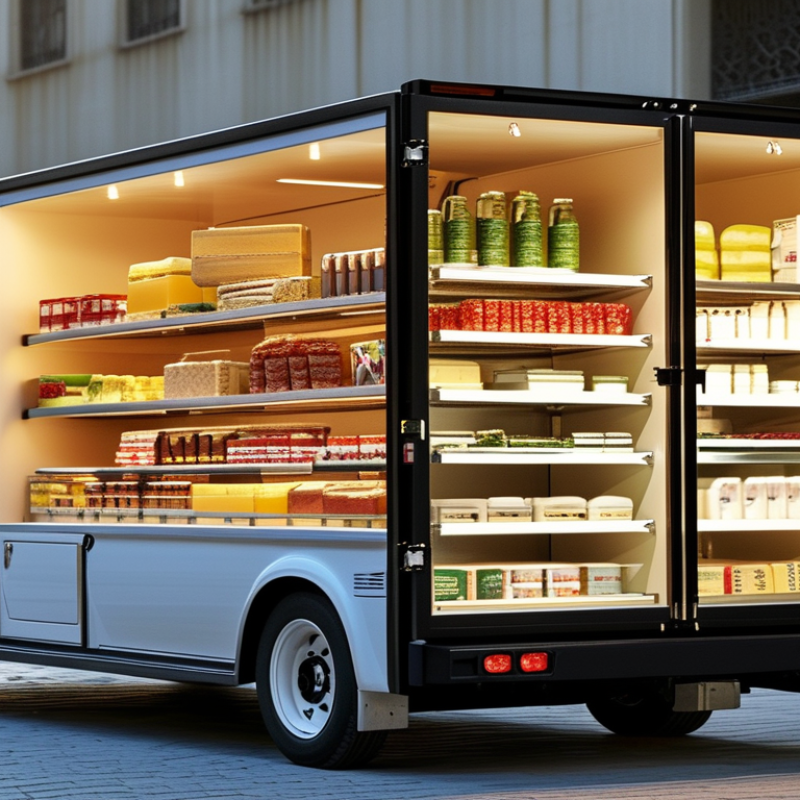
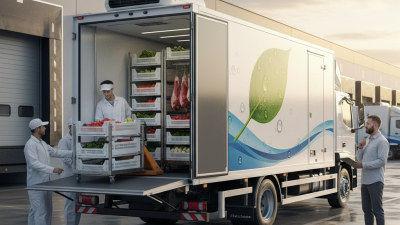
Refrigerated Delivery Vehicles are essential in today's food supply chain. They ensure perishable goods remain fresh during transportation. These specialized trucks are equipped with cooling systems, allowing for safe delivery of items like dairy, meat, and pharmaceuticals.
The design of a Refrigerated Delivery Vehicle focuses on maintaining optimal temperatures. This is crucial for preventing spoilage and ensuring food safety. Various types of refrigeration units are used, from self-contained systems to bulkheads separating chill zones.
Despite their critical role, there are challenges. Operators must regularly check cooling systems and monitor temperature levels. Failing to do so can lead to significant losses. Understanding these vehicles' operation is key for businesses relying on fresh products.
What Defines a Refrigerated Delivery Vehicle?
Refrigerated delivery vehicles are specialized transportation units designed to keep perishable goods at controlled temperatures. These vehicles usually include an insulated cargo area and a refrigeration unit. They play a critical role in ensuring that foods, medicines, and other sensitive products maintain their quality during transit.
The defining features of a refrigerated delivery vehicle are its temperature control and insulation. Insulation prevents outside heat from warming the cargo. The refrigeration unit keeps the internal temperature stable, often below 0 degrees Celsius. This technology is vital for preserving freshness and safety. However, maintaining the right temperature can be challenging. Technical failures or human error can lead to spoilage.
Additionally, the efficiency of operations impacts the overall reliability. Drivers need adequate training to monitor temperatures effectively. Regular maintenance of the refrigeration units is crucial too. Delays in delivery can affect the integrity of goods. These factors highlight the importance of continuous improvement in refrigerated transport systems.
Key Components of Refrigerated Delivery Systems
Refrigerated delivery vehicles are essential for transporting perishable goods. They ensure that items like fresh produce, dairy, and pharmaceuticals maintain the right temperature. These vehicles have specialized systems to keep products safe and fresh during transit.
Key components of refrigerated delivery systems include insulation, refrigeration units, and temperature monitoring devices. Insulation helps maintain low temperatures by reducing heat transfer. The refrigeration unit is responsible for actively cooling the cargo area. This unit typically uses a compressor, condenser, and evaporator to circulate refrigerant and absorb heat effectively.
Temperature monitoring devices are critical for ensuring that goods remain within a specific temperature range. These devices provide real-time data, allowing drivers to make immediate adjustments if necessary. However, not all systems are flawless. Some can fail due to technical issues or human error, risking the integrity of the cargo. Regular maintenance and checks are vital to prevent such problems.
Understanding these components enhances reliability in refrigerated logistics and assures that logistics companies can trust their delivery systems.
How Refrigeration Technology Works in Delivery Vehicles
Refrigerated delivery vehicles are vital for transporting perishable goods. They maintain specific temperatures, ensuring freshness during transit. These vehicles use advanced refrigeration technology to control and monitor temperatures. The cooling systems can operate on diesel, electric, or hybrid power sources, making them versatile for various delivery needs.
The refrigeration technology typically involves insulated cargo areas and cooling units. Insulation minimizes temperature fluctuation, while cooling units work efficiently to lower the temperature. Temperature sensors are often included to ensure goods remain within safe levels. Operators must regularly check these systems to ensure reliability.
Tips: Regular maintenance of refrigeration units is crucial. This prevents breakdowns that could lead to spoilage. Operators should be trained to recognize signs of malfunction. Keeping a log of temperature checks can also enhance accountability. Remember, even small inconsistencies can cause big losses.
What is a Refrigerated Delivery Vehicle and How Does It Work?
| Feature |
Description |
| Definition |
A refrigerated delivery vehicle is a specially designed truck that maintains a controlled temperature environment to transport perishable goods. |
| Refrigeration Method |
Typically uses vapor compression refrigeration systems to cool the interior of the vehicle to the desired temperature. |
| Common Temperature Range |
-20°C to 4°C (-4°F to 39°F) depending on the type of goods being transported. |
| Insulation |
Constructed with high-quality insulation materials to minimize heat transfer and maintain efficient temperature control. |
| Applications |
Widely used in food transportation, pharmaceuticals, and other industries that require temperature-sensitive deliveries. |
| Energy Source |
Generally powered by vehicle engines or electric units to operate the refrigeration unit. |
| Benefits |
Ensures the safety and quality of perishable goods during transit, reduces spoilage, and expands delivery options for businesses. |
Common Uses for Refrigerated Delivery Vehicles
Refrigerated delivery vehicles play a crucial role in today's supply chain, especially for perishable goods. These vehicles are designed to maintain specific temperature ranges, ensuring that food and pharmaceuticals remain fresh during transit. Common uses for refrigerated delivery vehicles include transporting fresh produce, dairy products, meat, and frozen foods. Restaurants and grocery stores heavily rely on these vehicles to keep their products safe and enjoyable for customers.
Tips: Regular maintenance of the cooling system is vital. A malfunction can lead to spoilage, causing financial losses. Drivers should monitor temperature logs frequently. This ensures goods are transported in optimal conditions.
Another common application involves the healthcare sector. Vaccines and other medications require strict temperature control for efficacy. Healthcare providers depend on refrigerated vehicles to deliver these sensitive products to clinics and pharmacies. However, the responsibility lies with the drivers to ensure timely deliveries and compliance with temperature regulations.
Tips: Properly plan routes to avoid delays. Traffic can impact delivery times and product integrity. Always check the vehicle’s temperature settings before departure to prevent any issues during transit.
Benefits of Using Refrigerated Delivery in Transportation
Refrigerated delivery vehicles play a crucial role in the transportation of
temperature-sensitive goods. The global refrigerated transport market is projected to reach
$18.6 billion by 2027. This underscores the growing need for
efficient temperature control in logistics. Using refrigerated delivery services helps preserve
the quality of perishable items like food and pharmaceuticals. These vehicles maintain optimal temperatures, reducing spoilage rates.
One significant benefit of refrigerated delivery is the extended shelf life of products.
Research estimates that about 30% of food produced globally is wasted
due to temperature-related spoilage. By utilizing effective refrigerated transport, companies can minimize waste
and enhance food security. Moreover, maintenance of proper temperatures during transit can improve product quality, ensuring
customer satisfaction.
However, the reliance on this technology is not without challenges.
High operating costs and energy consumption can strain resources,
particularly for small businesses. Additionally, maintaining equipment and ensuring compliance with
health regulations adds complexity. Continuous training for staff on best practices is essential yet often overlooked.
As the industry grows, addressing these issues remains vital.