China Top Chicken Transporter Vehicle Innovations and Best Practices?
In the rapidly evolving world of poultry logistics, the significance of the Chicken Transporter Vehicle cannot be overstated. Leading expert Dr. Mei Chen, a renowned figure in poultry transport innovation, states, “Effective transportation is crucial for animal welfare and meat quality.” This statement underscores the vital role that advanced transportation solutions play in the industry.
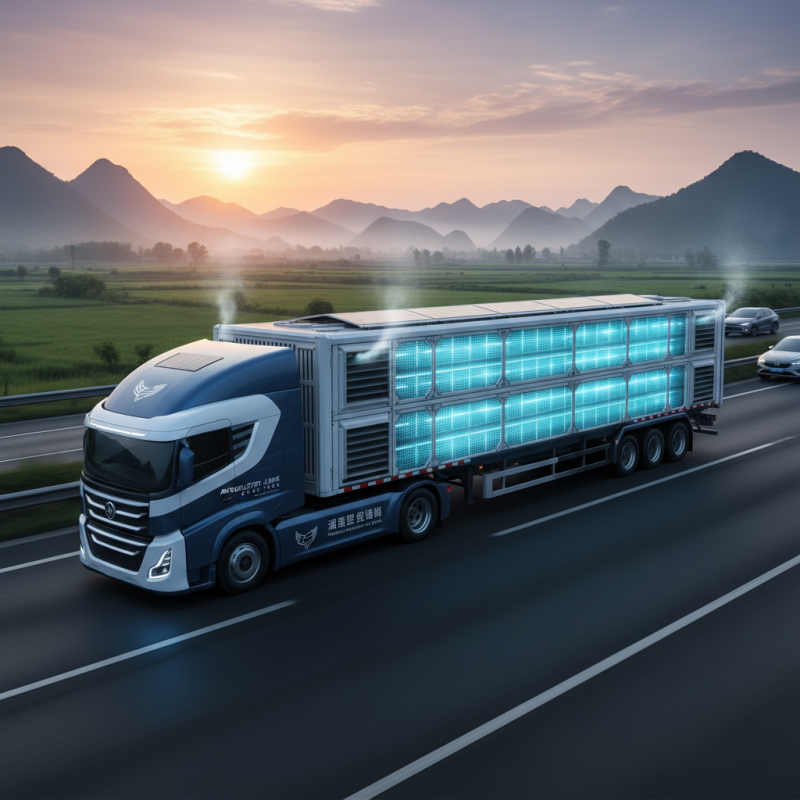
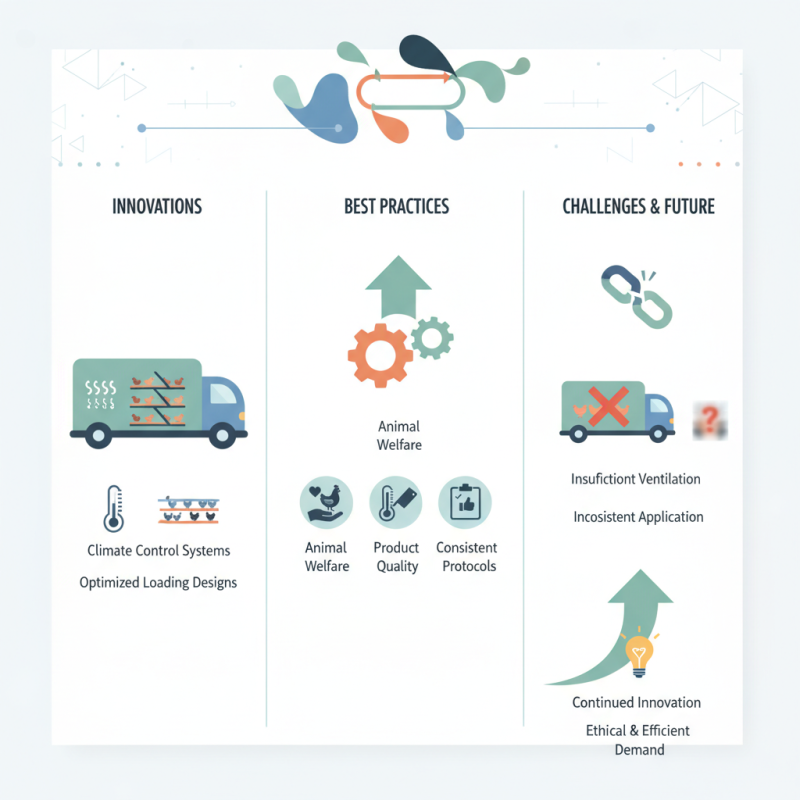
The design and operation of Chicken Transporter Vehicles are critical facets of the poultry supply chain. Innovations like climate control systems and optimized loading designs enhance comfort for the livestock. These features are not merely improvements; they are necessary for maintaining the quality of the products that reach consumers.
However, challenges persist. Many vehicle designs still lack sufficient ventilation, risking animal welfare during transit. Additionally, not all operators follow best practices consistently. This gap between potential and reality invites reflection on how the industry can better incorporate proven techniques and technologies. As the demand for ethical and efficient transportation increases, the need for continued innovation in Chicken Transporter Vehicles is clear.
Innovative Design Features of Chicken Transporter Vehicles in China
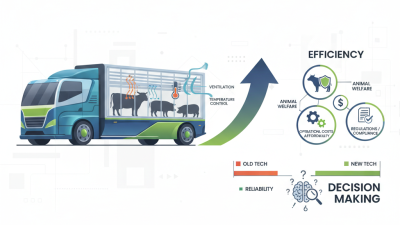
Innovative design features of chicken transporter vehicles in China are reshaping the poultry logistics landscape. Companies are focusing on temperature control and ventilation systems. These systems help maintain optimal conditions during transit. According to the China Poultry Industry Yearbook, a stable temperature can reduce mortality rates by up to 20%. This highlights the significance of effective vehicle design.
The use of lightweight materials is also gaining traction. Vehicles constructed from advanced composites not only reduce fuel consumption but also enhance payload capacity. Studies indicate that improved payload means fewer trips, which translates to lower carbon emissions. However, the reliance on these materials requires careful consideration of durability and maintenance. Many operators are still grappling with the challenges associated with repairs and longevity.
Moreover, some transporter designs are integrating smart technology. GPS tracking and real-time monitoring can optimize routes and improve delivery times. Nevertheless, these innovations often come with high initial costs, making it tough for smaller operations to adopt. The industry must balance innovation with practicality. Meeting the needs of multiple stakeholders remains a complex task in this evolving sector.
Sustainable Practices in Chicken Transportation Logistics
Sustainable practices in chicken transportation logistics are crucial for minimizing environmental impact. One key area is the design of transport vehicles. Optimizing space and airflow helps maintain the right conditions for poultry. Innovative insulation materials can reduce energy use during transport, lowering overall carbon footprints.
Another important aspect involves the training of personnel. Proper handling techniques can reduce stress for the chickens. This reduces mortality rates during transit. Adopting eco-friendly packaging solutions also plays a role. Using biodegradable or recyclable materials for crates can significantly lessen waste.
Challenges remain in the industry. Not all transport vehicles meet sustainability standards. There’s a need for broader adoption of green technologies. Implementing real-time monitoring systems can enhance animal welfare. Addressing these issues will require collaboration among stakeholders. Senior leaders must prioritize sustainable logistics in their strategies to achieve true progress.
Technological Advancements Enhancing Animal Welfare During Transport
Innovations in chicken transport vehicles focus on enhancing animal welfare during transport. Technologies like climate control systems ensure optimal temperatures. Research from the Animal Welfare Institute highlights that temperature extremes can lead to stress and mortality in poultry. Maintaining consistent conditions is crucial.
Advanced flooring designs also play a role. Slip-resistant surfaces reduce falls, which can cause injuries. A report by the World Organization for Animal Health states that injuries during transport significantly decrease overall welfare. These designs consider the natural behaviors of chickens, allowing them to stand and shift comfortably.
While advancements are key, challenges remain. Not all transport companies adopt these technologies widely. Inconsistent practices can result in varied outcomes. The industry must reflect on the current state of welfare during transport and strive for continuous improvement. Adopting best practices collectively can lead to better standards across the sector.
Regulatory Standards Impacting Chicken Transporter Vehicle Design
The design of chicken transporter vehicles must align with regulatory standards that ensure animal welfare and food safety. In China, the Ministry of Agriculture and Rural Affairs has set specific guidelines. These standards dictate temperature control, ventilation, and space allocation per bird. For instance, reports highlight that inadequate ventilation can raise mortality rates by 10% during transport.
Innovations in vehicle design are emerging in response. Advanced temperature monitoring systems are being integrated to maintain optimum conditions. Data shows that well-ventilated transport can decrease stress and injury rates among poultry. Furthermore, adhering to space requirements is crucial. A study indicates that providing at least 0.2 square meters per chicken significantly improves their overall wellbeing during transit.
Despite advancements, challenges remain. Not all transport operators comply fully with regulations. Gaps in training and awareness contribute to these issues. The industry needs more stringent oversight. Ensuring regulatory compliance not only benefits animal welfare but also enhances the quality of poultry products. Addressing these shortcomings is vital for the continuous improvement of chicken transporter vehicle designs.
China Top Chicken Transporter Vehicle Innovations and Best Practices
| Feature |
Description |
Regulatory Standard Impact |
Best Practice Recommendation |
| Temperature Control System |
Advanced monitoring and control systems for optimal temperature. |
Compliance with welfare regulations ensuring animal comfort. |
Regular calibration and maintenance of temperature sensors. |
| Ventilation System |
Systems designed to provide fresh air circulation. |
Adherence to environmental regulations on emissions and air quality. |
Use of energy-efficient fans and filters. |
| Load Monitoring Systems |
Real-time weight and health monitoring for livestock during transport. |
Ensures compliance with humane transportation standards. |
Implement data analytics for load optimization. |
| Material Durability |
Use of high-strength materials that withstand wear and tear. |
Fulfillment of safety and durability regulations. |
Regular inspections for wear and tear. |
| Ergonomic Design |
Design features that facilitate easier loading and unloading. |
Compliance with labor safety regulations. |
Training for staff on ergonomic best practices. |
Case Studies of Leading Chicken Transport Companies in China
In China, leading chicken transport companies are adopting innovative practices to enhance efficiency and welfare. One notable example is the use of climate-controlled vehicles. These vehicles maintain optimal temperatures during transit, ensuring chickens remain calm and healthy. Maintaining a steady environment is crucial for reducing stress and improving meat quality.
Additionally, some companies have integrated advanced tracking systems into their fleets. These systems provide real-time data on the location and condition of the livestock. However, while technology can aid in monitoring, issues with connectivity can arise. These disruptions may lead to unforeseen delays and stress for the animals.
Moreover, training drivers in animal welfare best practices has become a priority. Companies are investing in programs that teach humane handling techniques. While this is a positive step, not all drivers may consistently apply these practices under pressure. Regular evaluations and feedback can help reinforce these vital skills, ensuring that both efficiency and welfare standards are met.