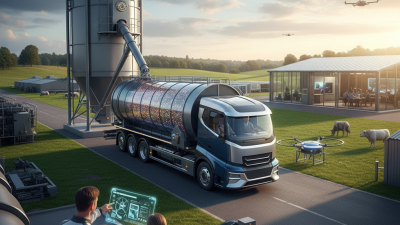
Choosing the best Fresh Milk Transport Vehicle for 2026 requires more than comparing engine power or tank capacity. Milk is fragile cargo. A few hours of heat, vibration, or poor cleaning can affect freshness, safety, and customer trust.
Dairy scientist Dr. David W. Barbano has emphasized, “Milk quality begins with cleanliness and temperature control.” This principle remains highly relevant for modern transport fleets. The strongest vehicle should maintain stable cooling, protect the tank from contamination, and support fast, traceable loading. It should also handle narrow farm roads, uneven surfaces, and repeated daily deliveries without excessive downtime.
Small details matter.
A well-designed Fresh Milk Transport Vehicle may include insulated stainless-steel tanks, calibrated temperature sensors, hygienic valves, automated wash systems, and real-time location monitoring. Operators should inspect seals, hoses, cooling units, and digital records before every route. A polished specification sheet cannot replace disciplined maintenance.
Still, no vehicle is perfect. Electric models may reduce local emissions, yet charging access and payload limits remain practical concerns. Diesel units often provide longer route flexibility, but fuel costs and environmental pressure deserve attention. Some buyers may focus too heavily on purchase price. That can become an expensive mistake.
This guide examines the most important 2026 selection criteria, including cooling performance, sanitation, durability, energy use, driver safety, and total operating cost. It also questions common assumptions, because the best vehicle depends on route length, farm conditions, fleet size, and delivery schedules. Reliable milk transport is not achieved by technology alone. It comes from matching the right vehicle with careful people and consistent procedures.
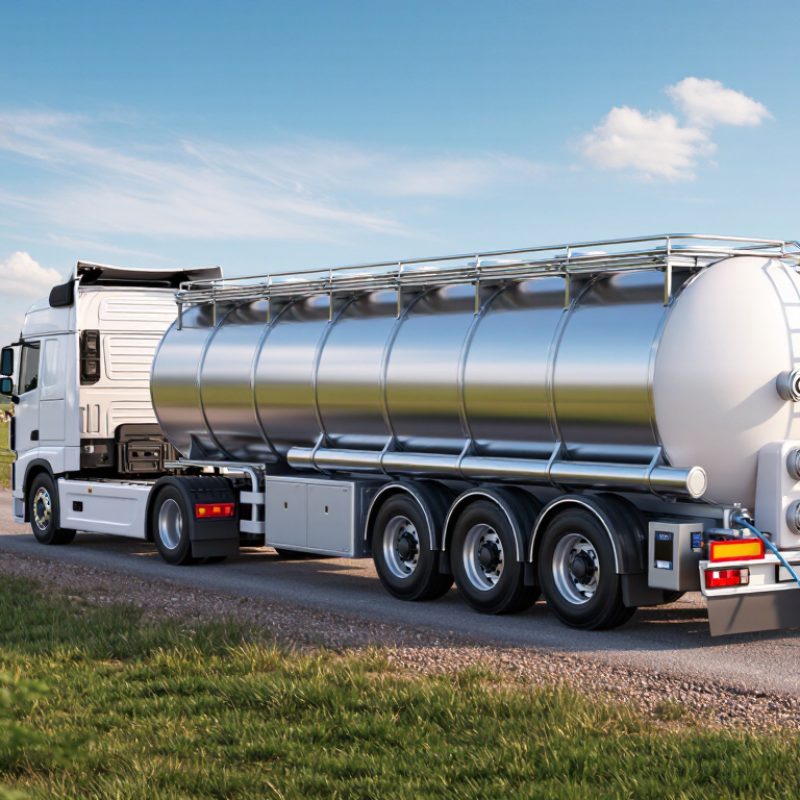
A suitable fresh milk transport vehicle in 2026 must protect temperature, hygiene, and traceability. The FAO and WHO Codex Code of Hygienic Practice for Milk recommends cooling milk to 6°C or below when collected daily. For less frequent collection, 4°C or below is recommended. The vehicle should use a food-grade stainless-steel tank, sealed fittings, smooth welds, and insulation without exposed moisture traps. These details matter. A clean-looking tank can still hide residue inside valves.
Reliable monitoring is equally important. Calibrated sensors should record milk temperature continuously, while automatic alerts should flag warming during loading, traffic delays, or unloading. The vehicle also needs washable surfaces, validated cleaning procedures, and separate product compartments when routes combine different collection points.
The UNEP Food Waste Index Report 2024 estimated 1.05 billion tonnes of food were wasted in 2022. Better cold-chain control cannot solve every loss, but it can reduce avoidable deterioration.
Energy efficiency now deserves attention too. Route planning, low-resistance refrigeration systems, and insulated doors can reduce fuel use without weakening cooling performance. The IEA continues to identify road freight as a major source of transport emissions. Electric or alternative-power refrigeration may help, although real-world range, charging access, and winter performance remain imperfect.
A vehicle that looks advanced on paper may fail during a long rural route. Careful field testing still matters.
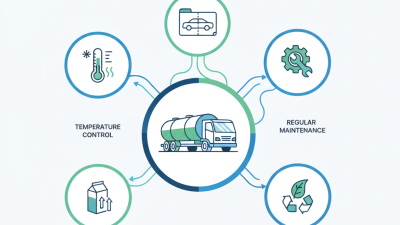
The best fresh milk transport vehicle is not simply the newest model. It must protect milk from collection point to processing facility. A well-insulated tank helps maintain a stable temperature during hot afternoons and long routes. Reliable refrigeration reduces sudden temperature changes that can affect freshness. The tank should use food-grade stainless steel with smooth, cleanable surfaces. Small cracks, worn seals, or hidden corners can create serious hygiene risks.
Quality depends on daily handling, too. Before loading, trained staff should inspect the tank, hoses, valves, and temperature display. Digital monitoring can record conditions throughout the journey, rather than relying on one reading at departure. The driver should avoid unnecessary stops and keep the tank closed. Gentle driving also matters, because excessive movement may increase foaming and air exposure. These details reflect practical experience, not just vehicle specifications.
No vehicle is flawless. A sensor may fail, or a rushed cleaning check may miss residue near a valve. That is why operators need documented cleaning routines, calibration checks, and clear maintenance records. Route planning should consider traffic, weather, and delivery timing. Emergency procedures are useful when refrigeration performance changes unexpectedly. A dependable transport vehicle combines thermal control, hygienic design, careful driving, and honest inspection. The strongest systems still leave room for review, because one overlooked detail can weaken milk safety.
The best fresh milk transport vehicle is not simply the largest one. It must protect temperature, hygiene, delivery time, and product stability together. FAO guidance recommends cooling raw milk to 4°C or below as quickly as possible. Therefore, a reliable vehicle needs continuous refrigeration, strong insulation, and accurate temperature records. A small temperature rise can become costly during long urban routes.
Look for a food-grade stainless-steel tank with smooth, cleanable surfaces and minimal internal corners. The tank should limit agitation, because excessive movement may affect milk quality and increase foaming.
Digital sensors should monitor several points, not only the air near the cooling unit. The U.S. FDA Pasteurized Milk Ordinance emphasizes controlled cooling and temperature verification during milk handling. Data logging makes each delivery easier to check.
Route efficiency matters too. A well-designed vehicle should support rapid loading, separated hose storage, and easy drain-down after unloading. Insulated doors must close tightly, even after repeated stops. Fleet operators should also inspect seals, sensors, and cooling performance every day. It sounds basic. Yet basic checks are often skipped. I would question any “best” vehicle that promises perfect temperature control without showing calibration records, cleaning procedures, and real route testing.
What Is the 2026 Best Fresh Milk Transport Vehicle?
Comparing Electric, Refrigerated, and Specialized Milk Transport Models
Choosing the best fresh milk transport vehicle in 2026 depends on route length, load size, and cooling discipline. Electric vehicles suit short urban deliveries. They reduce street noise and produce no exhaust during operation. Their main weakness is charging time, especially after heavy refrigeration use. A small depot needs reliable overnight charging and enough battery capacity for summer traffic.
Refrigerated vehicles offer flexible range and strong temperature control. They work well for mixed deliveries and longer regional routes. However, the cooling unit consumes fuel or electricity while parked. Operators should inspect door seals, drain lines, insulation, and temperature records every day. A warm loading bay can damage milk quality before the vehicle leaves.
Specialized milk transport models use insulated, food-grade tanks designed for liquid handling. Some include gentle agitation, automated temperature monitoring, and separate cleaning systems. These features reduce handling risks and support consistent collection from farms. The tank also needs effective insulation, because refrigeration cannot repair poor pre-cooling. Stainless steel walls must remain smooth and easy to sanitize.
From field experience, selecting capacity too aggressively creates avoidable problems. Half-filled tanks may move sharply on bends. Oversized vehicles can waste energy on small routes. I once assumed newer electric systems would always be simpler, but charging limits changed that judgment. A practical trial should measure battery use, loading time, milk temperature, cleaning hours, and driver feedback across several weeks. Temperature alarms matter. Human checks still matter.
| Vehicle Model | Typical Configuration | Usable Milk Capacity | Temperature-Control Method | Typical Operating Temperature | Practical Driving Range | Refueling or Charging Time | Payload and Route Suitability | Energy and Emissions Profile | Best Application | 2026 Suitability |
|---|---|---|---|---|---|---|---|---|---|---|
| Battery-Electric Refrigerated Box Truck | Rigid medium-duty chassis with an insulated box body and an electric refrigeration unit | Approximately 8–18 m³, depending on body length, axle rating, and payload limits | Compressor-driven refrigeration; the cooling system may use the traction battery or a separate electric battery pack | Common target: 0–4°C for chilled milk; actual legal limits depend on the operating jurisdiction | Approximately 120–280 km under real delivery conditions, including payload, traffic, weather, and refrigeration loads | Approximately 1.5–4 hours with suitable high-power charging; overnight charging is common | Best for urban and regional routes with frequent stops and predictable daily mileage | Zero tailpipe emissions; lower drive-system noise; energy consumption increases in cold weather and during frequent door opening | City distribution, supermarket deliveries, and short farm-to-processing routes | Best for urban delivery |
| Battery-Electric Insulated Milk Tanker | Electric rigid truck with a food-grade stainless-steel insulated tank and dedicated milk-collection equipment | Approximately 10–20 m³, subject to axle-load regulations and tank design | Milk is normally collected already chilled; the insulated tank limits temperature gain during transport rather than rapidly cooling warm milk | Common target: 0–4°C for chilled milk; temperature must be verified against local dairy regulations | Approximately 100–240 km on collection routes, depending on tank load, terrain, auxiliary equipment, and weather | Approximately 2–5 hours using high-power charging; scheduled depot charging is usually required | Suitable for short and medium milk-collection routes with fixed depots and predictable charging access | Zero tailpipe emissions; lower noise near farms; reduced range when pumping, cleaning, and auxiliary systems operate frequently | Regular collection from nearby farms to a dairy plant or cooling center | Best low-emission tanker option |
| Diesel Refrigerated Box Truck | Medium-duty diesel chassis with an insulated refrigerated cargo body and engine-driven or independent refrigeration | Approximately 8–20 m³, depending on chassis, body length, and payload rating | Mechanical refrigeration with strong continuous cooling capability during loading and delivery | Common target: 0–4°C for chilled milk; temperature monitoring remains necessary throughout the route | Approximately 450–900 km between refueling stops, depending on tank size, payload, and route conditions | Approximately 5–15 minutes for a normal refueling stop | Suitable for long-distance, high-utilization, remote, and variable routes | High operational flexibility; produces tailpipe emissions and engine noise; fuel use rises with refrigeration demand and urban idling | Long regional distribution, emergency backup, and routes with limited charging infrastructure | Strong range advantage |
| Insulated Stainless-Steel Milk Tanker | Purpose-built tanker with food-grade stainless-steel compartments, sanitary valves, and insulation | Approximately 12–30 m³ for rigid vehicles; larger capacities may require different vehicle combinations | Relies mainly on pre-chilled milk and thermal insulation; it is not a substitute for an active refrigeration system | Designed to preserve chilled milk temperature; the milk should enter the tank already within the required temperature range | Vehicle-dependent; diesel versions commonly support approximately 450–900 km between refueling stops | Approximately 5–15 minutes for diesel refueling; loading and unloading time depends on pump capacity and site layout | High-volume farm collection and plant transfer; efficient when routes are planned around nearby cooling points | Efficient for bulk transport; no active cooling means greater temperature risk if milk is loaded warm or routes are excessively long | Bulk milk collection from farms with reliable on-site pre-cooling | Best for high-volume bulk collection |
| Hybrid Refrigerated Milk Transporter | Hybrid powertrain with an insulated cargo body or tanker and an electric or hybrid auxiliary refrigeration system | Approximately 8–18 m³ for box bodies or 10–20 m³ for tanker configurations | Active refrigeration supported by engine power, battery power, or both, depending on the system design | Common target: 0–4°C for chilled milk; temperature performance depends on refrigeration capacity and door-opening frequency | Approximately 350–750 km, depending on battery size, fuel capacity, payload, terrain, and operating strategy | Approximately 5–15 minutes for refueling; optional charging may take 1.5–4 hours | Suitable for mixed urban and regional routes where charging availability is developing but long range is still required | Lower idling emissions and noise than conventional diesel operation; still produces tailpipe emissions during engine operation | Fleets transitioning toward electrification without accepting full battery-electric range limitations | Best transition solution |
| Small Electric Refrigerated Van | Light-duty electric van with insulated cargo space and a compact electric refrigeration unit | Approximately 2–6 m³, depending on interior layout and payload rating | Electric refrigeration designed for short-route chilled distribution | Common target: 0–4°C for chilled milk and other perishable products | Approximately 100–220 km under loaded urban operating conditions | Approximately 1–3 hours with suitable high-power charging; overnight charging is also practical | Best for small loads, high delivery frequency, and restricted urban streets | Zero tailpipe emissions and low noise; limited cargo volume and range compared with medium-duty trucks | Local doorstep delivery, cafés, convenience stores, and small retail accounts | Best for short final-mile routes |
Note: Capacity, range, payload, charging time, and operating temperature figures are representative 2026 market ranges rather than specifications for a particular manufacturer. Actual performance depends on vehicle weight, tank or body design, road conditions, ambient temperature, refrigeration load, delivery frequency, local axle regulations, and applicable dairy-safety requirements. Chilled milk should be loaded, transported, and monitored in accordance with the regulations of the destination market.
Choosing the best fresh milk transport vehicle in 2026 starts with route reality, not showroom appearance. USDA Economic Research Service data recorded about 226.4 billion pounds of U.S. milk production in 2023. That volume makes reliable collection and delivery equipment essential. A short farm-to-dairy route may suit an insulated stainless-steel tanker with strong sanitation access. Long routes need larger cooling capacity, dependable temperature recording, and suspension stability.
Temperature control is non-negotiable. The U.S. Food and Drug Administration’s 2023 Pasteurized Milk Ordinance requires milk to reach 45°F (7°C) or below within the specified cooling period. Choose a vehicle that maintains this limit during loading, traffic delays, and unloading. An insulated tank reduces temperature gain, while a calibrated data logger creates a clear record. Small details matter: smooth internal welds, self-draining outlets, sealed manways, and hoses stored away from dust.
Match capacity to daily volume. An oversized tank can increase cleaning time and leave milk sitting longer. An undersized vehicle creates extra trips, fuel use, and handling risk. The FAO reported global milk production above 900 million tonnes in recent years, showing how widely transport conditions vary. Rural routes may need higher ground clearance and all-weather traction. Urban distribution may favor a compact body and tighter turning radius. I would not choose based on tank size alone. In practice, access, cleaning discipline, backup planning, and driver training often decide performance. Fancy equipment cannot repair weak procedures.
The chart compares representative payload capacities commonly used for temperature-controlled milk distribution. Fresh milk should generally be kept at or below 4°C during transport, while the vehicle size should match route length, delivery volume, and road access.
Choose a refrigerated van for small urban deliveries, a light truck for local retail routes, a medium truck for regional distribution, and a heavy refrigerated truck for high-volume, long-distance transportation.