Leave Your Message

Why Choose Livestock Farming Equipment for Your Farm?

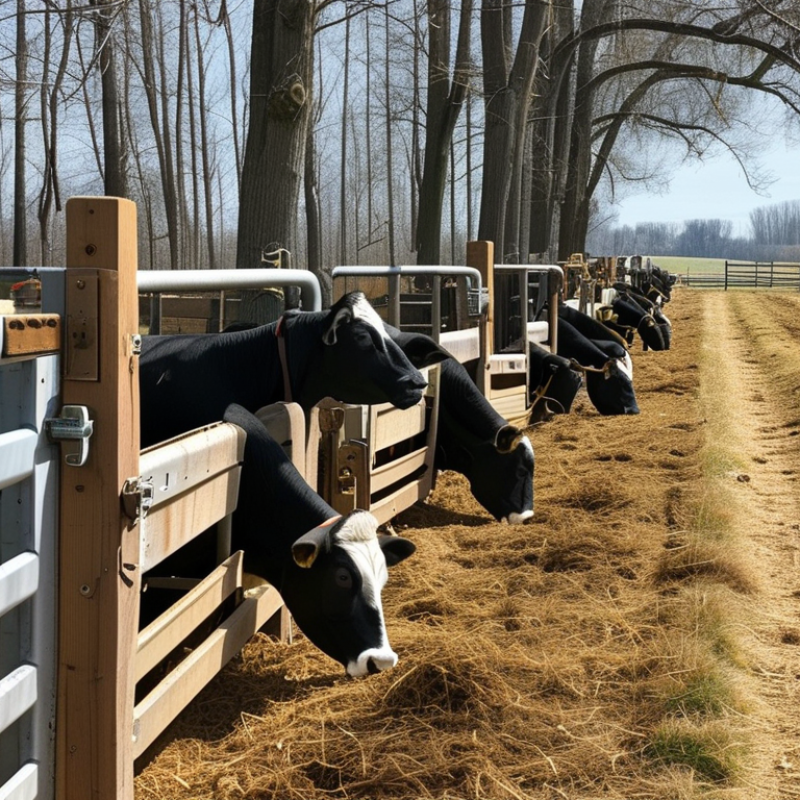
Choosing Livestock Farming Equipment is not simply a purchasing decision. It shapes animal welfare, worker safety, daily efficiency, and long-term farm resilience. A suitable handling system can reduce crowding, slipping, and unnecessary stress during weighing, vaccination, or loading. Good equipment also makes routine work more predictable when weather, staffing, or animal behavior changes.

Animal-behavior expert Temple Grandin has said, “Animals are more sensitive to visual distractions than people are.” Her observation explains why thoughtful design matters. Solid gates, quiet latches, non-slip flooring, and clear movement paths can help livestock move calmly. These details may appear minor. They are not.

Experienced farmers often judge equipment beside the pen, not from a catalogue. They check welds, hinges, drainage, cleaning access, and operator visibility. A feeder that looks efficient may waste feed if its height does not suit the animals. A strong gate may still create danger if its locking point is awkward. These mistakes happen. They deserve honest review.

Reliable choices should match herd size, species, housing conditions, and local professional guidance. Veterinary advice, manufacturer specifications, and recognized safety standards provide useful evidence. However, no product solves every farm problem. Maintenance remains essential. Staff training matters just as much.

The following discussion examines why Livestock Farming Equipment can support healthier animals, safer workers, and more controlled operating costs. It also considers limitations, because practical farming rarely follows a perfect plan.

Why Choose Livestock Farming Equipment for Your Farm?

What Livestock Farming Equipment Includes

Why Choose Livestock Farming Equipment for Your Farm?

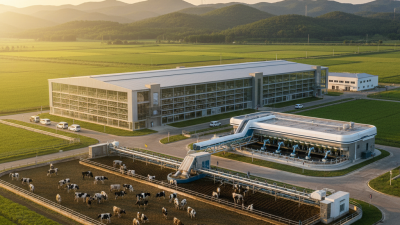
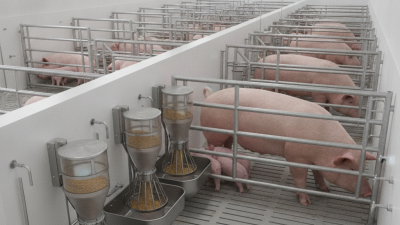
Livestock farming equipment includes more than tractors and sheds. It covers feeding systems, waterers, ventilation, fencing, handling races, milking units, bedding tools, and manure storage. Each item should match animal numbers, climate, labor availability, and housing design. A well-placed feeder reduces spilled grain. Clean, accessible waterers support steady intake, especially during hot weather. Small details matter.

The FAO reports that livestock supports the livelihoods of at least 1.3 billion people worldwide. Its emissions pathway studies also identify livestock systems as a major source of agricultural greenhouse gases. This makes efficient equipment increasingly important. Ventilation fans can improve air movement inside enclosed housing. Manure scrapers and covered storage can reduce waste exposure and nutrient loss. However, equipment is not automatically efficient. Poor maintenance can increase power use and create hygiene problems.

The OECD-FAO Agricultural Outlook 2024–2033 projects continued growth in global meat and dairy demand. Farms may therefore need safer handling areas, accurate weighing tools, and practical monitoring devices. Electronic identification systems can record growth, treatment history, and movement. Yet technology should not replace daily observation. A quiet calf, blocked water line, or loose gate may reveal problems before software does. In my experience, farmers sometimes buy impressive equipment before measuring workflow. That choice deserves reconsideration. Simple, repairable tools often perform better than complex systems in remote barns.

Why Choose Livestock Farming Equipment for Your Farm?

Livestock farming equipment includes automatic feeders, watering systems, milking machines, ventilation fans, heating systems, livestock scales, fencing, and manure-handling tools. The chart shows typical daily water intake by animal type, which helps farmers plan the capacity of pumps, storage tanks, pipelines, and automatic drinkers.

How Equipment Supports Daily Farm Operations

Why Choose Livestock Farming Equipment for Your Farm?

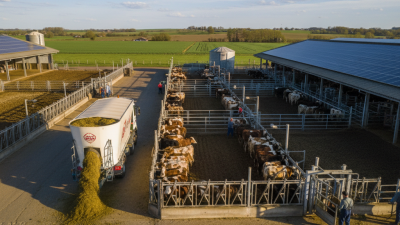
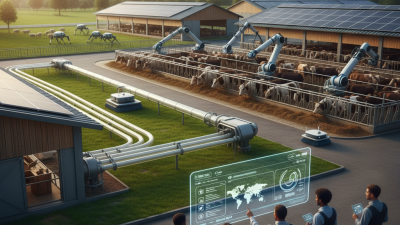
Livestock equipment supports the quiet rhythm of daily farm work. Feed mixers deliver consistent rations, while water systems keep troughs clean and accessible. Ventilation equipment removes heat, moisture, and harmful gases from enclosed housing. Proper handling systems also reduce animal stress during weighing, treatment, or movement.

The scale is significant. The USDA’s 2022 Census of Agriculture recorded about 1.9 million farms across nearly 880 million acres in the United States. Even a small operation needs reliable routines. A working milking system can shorten morning tasks. A manure scraper can prevent slippery floors and reduce repeated manual cleaning. Small time savings become important during calving, feeding, and severe weather.

The FAO’s 2022 State of Food and Agriculture report estimated 1.23 billion people worked in agrifood systems. It also noted that automation can reduce physical strain and improve productivity, but access, skills, and cost remain serious barriers. That warning matters. Expensive equipment is not automatically efficient. A poorly sized loader may waste fuel, damage flooring, and sit unused for much of the year.

Farmers should compare capacity, maintenance access, operator safety, and local service support. Check the machine beside real tasks, not showroom promises. Record fuel use and downtime for several weeks. The results may challenge expectations. A simpler system can sometimes outperform a more advanced one when workers understand it and repairs are available quickly.

Key Benefits for Animal Health and Productivity

Why Choose Livestock Farming Equipment for Your Farm?

Healthy animals convert feed more efficiently and recover faster from daily stress. Suitable livestock equipment supports this basic relationship. Ventilation systems remove humidity, dust, and harmful gases from housing areas. Clean water lines reduce contamination risks. Automated feeding equipment can deliver consistent portions, although calibration still matters.

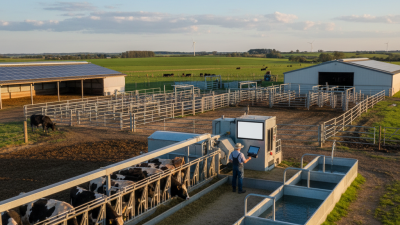
The World Organisation for Animal Health identifies housing, nutrition, hygiene, and monitoring as core parts of animal welfare. FAO’s 2023 livestock emissions report also links better animal health with improved productivity and lower emissions intensity. Equipment cannot replace skilled workers. It can make problems easier to notice. Cameras may reveal unusual lying behavior. Scales can identify slow weight gain before it becomes obvious. These details protect animal health and help control feed costs. Small improvements count.

Tips: Check airflow at animal level, not only near windows. Clean drinkers regularly. Record feed use, weight changes, injuries, and treatment results. Review the data every week. Some farms install advanced sensors but rarely use their alerts. That is wasted potential. Start with one measurable problem, such as wet bedding or uneven feeding. Test the equipment for thirty days, then adjust the routine. Mistakes happen. A cheaper system with consistent daily use may outperform expensive equipment that workers find confusing.

Factors to Consider When Choosing Farm Equipment

Choosing livestock farming equipment starts with the animals, not the sales brochure. Cattle, sheep, goats, and poultry require different feeding, handling, ventilation, and cleaning systems. A large mixer may suit a dairy operation but waste time on a small family farm. Measure twice.

Farm size and daily workload should guide equipment capacity. Count the animals, estimate feeding frequency, and observe peak working hours. Equipment that is too small creates delays and unnecessary labor. Oversized machinery can consume more fuel, occupy valuable space, and remain unused for most of the year. Leave room for growth, but avoid paying for an imagined future.

Durability matters in dusty, wet, and demanding environments. Check frame strength, moving parts, operator visibility, and access for routine maintenance. Replacement parts should be available through dependable local channels. Noise matters. Excessive noise can stress animals and make communication difficult during handling. Safety guards, stable flooring, emergency stops, and simple controls deserve careful attention. Energy use also affects long-term costs, especially when ventilation or cooling runs for many hours. A common mistake is choosing equipment by purchase price alone. I would compare maintenance records, cleaning time, warranty terms, and user feedback from farms with similar conditions. Some equipment looks efficient during a demonstration but performs poorly when mud, rain, or uneven ground appears. Practical trials are worth requesting before installation.

Why Choose Livestock Farming Equipment for Your Farm? - Factors to Consider When Choosing Farm Equipment

Equipment Category Primary Farm Use Typical Capacity or Working Range Main Benefits Important Selection Factors Labor and Efficiency Impact Suitability by Farm Scale
Feed Mixer Wagon
Feed preparation
Mixes forage, silage, grains, minerals, and other ingredients into a consistent total mixed ration for cattle and other ruminants. Common working capacities range from approximately 5 to 50 cubic metres, depending on herd size and mixer design. Improves ration consistency, reduces feed sorting, and can support more accurate distribution of ingredients. Consider mixer volume, power requirements, weighing-system accuracy, loading height, ingredient type, and available storage space. Can reduce repeated manual mixing and improve feeding uniformity across groups of animals. Medium to large farms
Smaller farms may prefer compact mixers or contracted services.
Automatic or Mobile Feeders
Feed delivery
Delivers measured quantities of milk, pellets, grain, or other feed to animals at scheduled intervals. Capacity varies widely; milk feeders often serve several animals, while automated concentrate systems are sized according to herd or group demand. Supports regular feeding schedules, portion control, and improved monitoring of individual or group intake. Evaluate cleaning requirements, calibration, power supply, software access, animal identification, and compatibility with existing housing. May reduce routine feeding time and provide useful consumption records when equipped with monitoring functions. Small to large farms
Best value where feeding labor or monitoring needs are significant.
Bale Handler or Forage Wagon
Material handling
Moves hay, straw, silage bales, or loose forage between storage areas, feeding areas, and livestock buildings. Working capacity depends on bale size, wagon volume, lifting height, and tractor compatibility. Reduces manual handling, protects forage during transport, and shortens daily feeding routes. Check maximum payload, hydraulic requirements, turning radius, road access, bale dimensions, and storage-floor conditions. Can substantially reduce lifting and carrying tasks, especially during winter feeding or bedding operations. Small to large farms
Particularly useful where forage is stored away from the livestock area.
Manure Scraper or Alley Cleaner
Waste management
Removes manure and soiled bedding from alleys, floors, yards, and livestock housing areas. Working width commonly varies from about 1 to 3 metres for tractor-mounted or self-propelled systems. Improves cleanliness, reduces accumulation of waste, and supports better walking surfaces for livestock. Consider floor slope, surface finish, scraper width, moisture conditions, storage capacity, and local manure-management rules. Reduces repetitive cleaning work and can make cleaning schedules more consistent. All farm scales
Choose a compact design for narrow passages and smaller housing units.
Manure Spreader
Nutrient recycling
Applies solid manure or compost to fields as an organic soil amendment and nutrient source. Typical capacities range from roughly 5 to more than 40 cubic metres, depending on body size and axle configuration. Recycles farm nutrients, distributes organic material across fields, and can reduce dependence on purchased soil amendments. Assess payload, spreading width, application-rate control, field access, axle load, corrosion protection, and transport distance. Improves application consistency and reduces the time required to empty manure storage areas. Medium to large farms
Small farms may share equipment or use local application services.
Milking System
Milk harvesting
Harvests milk while supporting udder hygiene, milk handling, and routine production records. Parlour size and throughput vary by layout; small systems may serve a few animals at a time, while larger parlours handle multiple units simultaneously. Can improve milking consistency, reduce physical strain, and support hygiene and productivity monitoring. Consider herd size, milking frequency, vacuum stability, cleaning system, cooling capacity, service access, and expansion plans. Reduces manual work and can shorten milking time when correctly matched to herd size and operator workflow. Dairy farms
System size should match present herd numbers and realistic growth plans.
Livestock Watering System
Water supply
Provides clean drinking water through troughs, bowls, nipples, or automated watering points. Flow rate should be sufficient for peak demand; the required number of drinking points depends on animal numbers and housing layout. Supports hydration, feed intake, animal comfort, and easier daily inspection of water availability. Check water flow, pipe diameter, freezing risk, cleaning access, float-valve reliability, drainage, and backup supply. Reduces the need for manual filling and helps prevent interruptions caused by empty or contaminated containers. All farm scales
Water access is essential regardless of herd or flock size.
Ventilation and Climate-Control Equipment
Animal environment
Controls airflow, temperature, humidity, and harmful gas accumulation in livestock buildings. Fan capacity and air-exchange rates must be calculated according to building volume, animal numbers, weather, and housing type. Helps reduce heat stress, moisture buildup, condensation, and poor air quality when properly designed and maintained. Evaluate airflow pattern, fan efficiency, automatic controls, emergency backup, noise, inlet design, and seasonal requirements. Automated controls can reduce unnecessary energy use while maintaining more stable housing conditions. All housed-livestock farms
Priority increases in hot, humid, or highly enclosed buildings.
Livestock Handling System
Animal movement
Supports safe sorting, loading, weighing, treatment, vaccination, and routine inspection of livestock. Equipment is available for individual handling or group movement; dimensions should match animal size and expected throughput. Improves worker safety, reduces animal stress, and makes health and production procedures more controlled. Consider gate strength, non-slip flooring, visibility, escape routes, loading compatibility, maintenance, and ease of cleaning. Can reduce handling time and lower the risk of injury to both animals and workers. All livestock farms
Especially valuable where animals require frequent weighing or treatment.
Tractor and Loader
Multi-purpose power
Performs loading, bedding, feed transport, manure handling, mowing, towing, and general farm work. Engine power and loader lift capacity should be selected according to attachments, terrain, payloads, and working hours. Provides flexibility across many tasks and can support several livestock operations with one power unit. Assess horsepower, hydraulic flow, lift capacity, fuel use, tire type, cab protection, turning radius, and attachment compatibility. Reduces dependence on manual labor, but efficiency depends on correct sizing and minimizing idle or unnecessary travel time. All farm scales
Compact tractors suit smaller units; larger operations may need multiple specialized machines.
Precision Monitoring and Weighing Tools
Farm records
Tracks animal weight, feed intake, activity, health indicators, production data, or equipment performance. Scales and sensors should support the expected animal weight range, data frequency, and number of animals monitored. Supports earlier identification of health or growth changes and improves evidence-based management decisions. Consider measurement accuracy, data ownership, connectivity, battery life, software integration, calibration, and ease of use. May reduce manual recordkeeping and help prioritize veterinary, feeding, or breeding interventions. Small to large farms
Benefits increase when reliable records are used for regular management decisions.
Selection note: Before purchasing, compare the equipment's capacity with animal numbers, available labor, building dimensions, power supply, maintenance support, safety requirements, total operating cost, and the possibility of future farm expansion.

How to Match Equipment to Your Farm’s Needs

Choosing livestock farming equipment should begin with your daily work, not a catalogue. A small sheep farm needs different tools than a large dairy operation. I have seen producers buy powerful machinery that stood unused beside the barn. It looked efficient. It was not. Count animals, available labor, housing layout, and seasonal workload before comparing specifications. Measure doorways and turning space. Equipment that cannot enter a feeding passage creates delays every morning.

Match equipment to the animal first. Feeders should limit waste and suit the animals’ height and feeding behavior. Water systems need reliable flow, easy cleaning, and protection from freezing conditions. For milking, ventilation, flooring, and operator comfort deserve equal attention.

Beef cattle may require strong handling gates, while poultry operations depend on controlled climate and careful litter management. Ask whether the equipment can be adjusted as the herd changes. Growth can expose a poor decision.

Calculate total ownership cost, including electricity, repairs, replacement parts, training, and downtime. Check safety guards and follow local agricultural requirements. Ask an experienced technician to inspect installation and maintenance access. A short trial can reveal noise, awkward controls, or cleaning problems. Record feed use and labor hours before and after installation. These figures support a sound decision, although farm conditions are never perfectly predictable. I still leave room for revision. Practical choices sometimes need correction after one wet season.