What is Livestock Farming Equipment and Why is it Essential?
Livestock farming is a critical sector in agriculture, requiring the right tools and equipment. Livestock farming equipment plays a vital role in this industry. According to Dr. Emily Smith, an expert in agricultural technology, "The right equipment can significantly enhance productivity and animal welfare."
The choice of equipment can affect efficiency and output. From feed mixers to handling systems, each tool serves a purpose. Farmers know that investing in quality livestock farming equipment is essential. It ensures animals are well cared for, improving growth rates and overall health.
However, not all farmers have access to modern tools. Some may struggle with outdated equipment, hindering their operations. The challenge lies in balancing costs with the need for efficiency. As the industry evolves, adopting new technologies becomes imperative. The impact of livestock farming equipment is profound, shaping the future of agriculture.
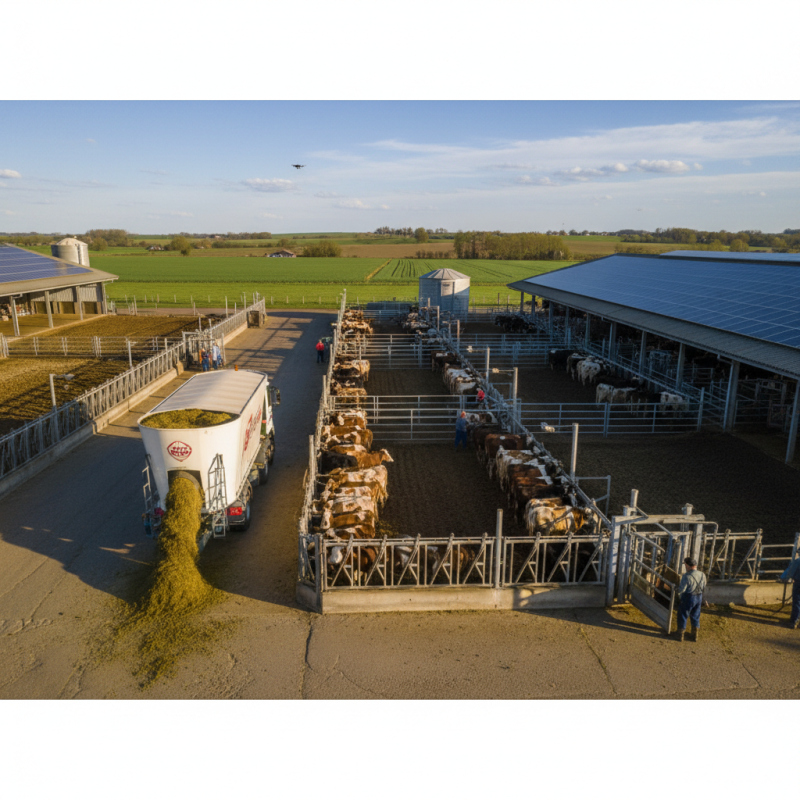
Definition of Livestock Farming Equipment and Its Role in Agriculture
Livestock farming equipment plays a vital role in modern agriculture. It encompasses various tools and machinery that assist in breeding, feeding, and caring for livestock. According to the Food and Agriculture Organization (FAO), efficient livestock management significantly boosts productivity. Specialized equipment helps farmers meet the growing global demand for meat, dairy, and other animal products.
Proper equipment improves animal health and reduces labor costs. For instance, automatic feeders ensure that livestock receive the right nutrients at the right times. This technology enhances growth rates and ultimately increases profitability. A report by the Agriculture and Agri-Food Canada suggests that adopting advanced livestock management systems can increase farm efficiency by 15 to 20 percent.
However, there are challenges. Many farmers may invest in equipment without proper training, leading to underutilization. It is crucial for farmers to continuously learn and adapt to new technologies. A National Agricultural Statistics Service survey indicated that around 30% of the farmers felt inadequately trained on their equipment. This highlights the need for ongoing education within the farming community to maximize the potential of livestock farming equipment.
Types of Livestock Farming Equipment Used in Different Farm Operations
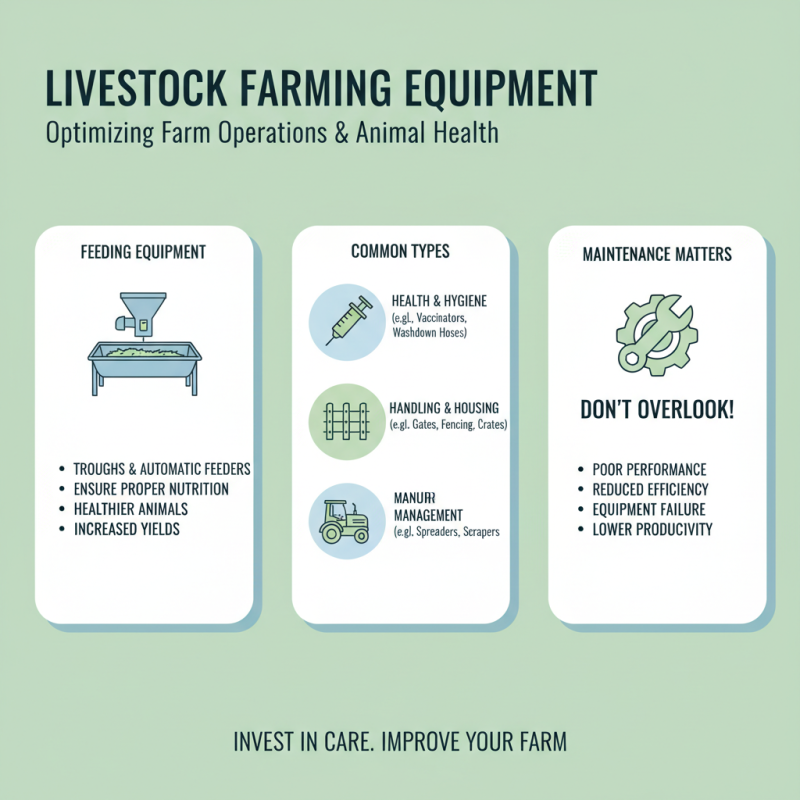
Livestock farming equipment plays a crucial role in modern agriculture. Different farm operations require specific tools to enhance efficiency and productivity. For example, feeding equipment like troughs and automatic feeders ensure livestock receive proper nutrition. Proper feeding leads to healthier animals and better yields. However, many farmers overlook the maintenance of these tools, which can lead to poor performance.
Watering systems are essential too. Tanks and automatic drinkers provide consistent water supply. However, farmers should regularly check for leaks and clogs. Neglecting these issues can create challenges, such as reduced water access for animals. Cleanliness of the equipment is often underestimated. Dirty drinking containers can harm livestock health.
Handling equipment, such as chutes and pens, is also vital for the safety of both animals and workers. Properly designed facilities can reduce stress during handling. Yet, some farmers still use outdated systems that could harm the animals. Investing in modern equipment is necessary for an efficient operation. But it requires a thoughtful approach to understand the needs of the specific farming operations.
Benefits of Using Livestock Farming Equipment for Efficiency and Productivity
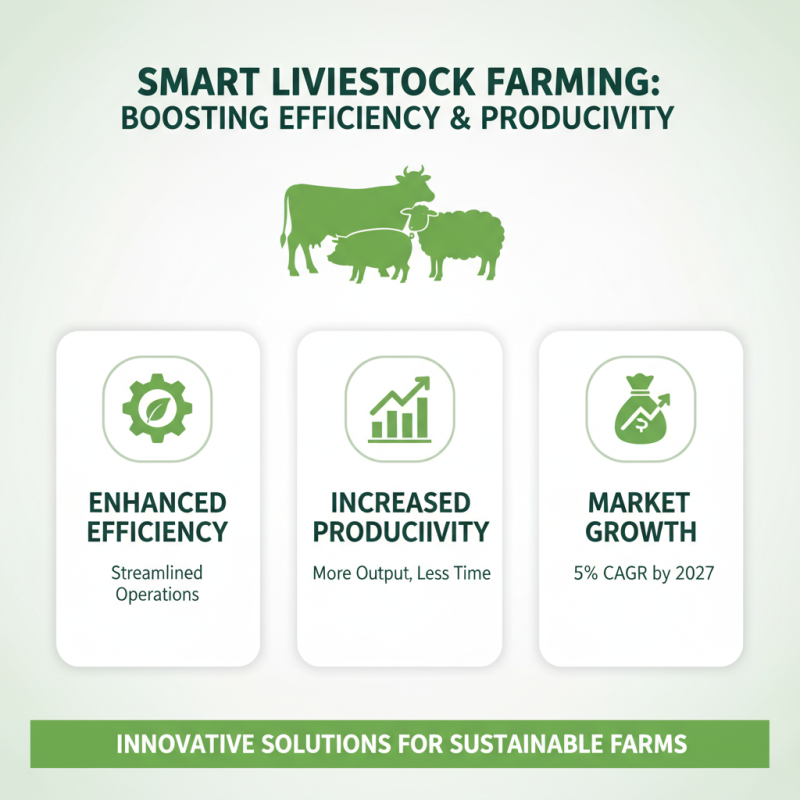
Livestock farming equipment plays a crucial role in enhancing efficiency on farms. The use of specialized tools can significantly improve productivity. According to the Agricultural Equipment Market report, the livestock equipment market is projected to grow at a compound annual growth rate (CAGR) of over 5% by 2027. This indicates a steady demand for innovative farming solutions.
Efficient equipment helps save labor and time. For instance, automated feeders can ensure precise feeding schedules. This leads to healthier livestock and improved growth rates. A study by the American Society of Agricultural and Biological Engineers highlights that using such equipment can reduce feed waste by up to 15%. This shows the potential for maximizing resources through technology.
However, there are still challenges to address. Not all farmers have access to modern equipment, leading to disparities in productivity. Additionally, the initial cost can be a barrier. Farmers must weigh the long-term benefits against these costs. Adopting livestock farming equipment is vital for advancing the industry, but it requires thoughtful investment and planning.
Key Considerations When Choosing Livestock Farming Equipment
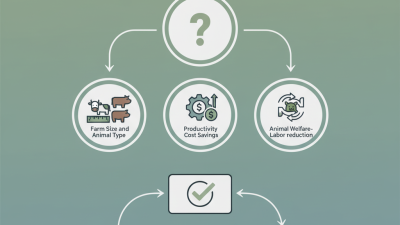
Choosing the right livestock farming equipment is crucial for efficiency. Farmers need to assess their specific needs. This includes the type of livestock and the size of the farm. Equipment must be durable and appropriate for the tasks at hand.
Farmers should consider the usability of each piece of equipment. Complexity can hinder productivity. Simple tools often lead to more effective operations. It's essential to evaluate maintenance requirements, too. Well-maintained equipment functions better and lasts longer.
Another consideration is cost versus value. Cheaper options might save money initially but could lead to higher expenses over time. Investing in quality equipment often pays off. Adaptability is also vital; as farms grow, equipment should meet evolving demands. With careful consideration, farmers can make informed decisions that enhance their operations.
Livestock Farming Equipment Usage Trends
The Future of Livestock Farming Equipment in Modern Agriculture
The future of livestock farming equipment is closely tied to technological advancements and sustainability. Modern tools like automated feeders, health monitoring systems, and smart irrigation systems are becoming mainstream. According to a report by the Market Research Future, the global livestock equipment market is projected to reach $13 billion by 2025. This reflects a growing emphasis on efficiency.
Precision farming is not just a buzzword; it is a vital strategy. A 2021 study found that implementing advanced equipment can increase farm productivity by up to 30%. This is essential as global population growth demands more sustainable food production. However, adoption can be slow due to high initial costs and lack of training. Farmers need to weigh the pros and cons carefully.
Environmental considerations also play a role. Livestock farming contributes significantly to greenhouse gas emissions. Innovative equipment can help mitigate this. For example, anaerobic digesters can convert waste to energy, reducing carbon footprints. Farmers must continuously adapt their practices and equipment to meet both economic and environmental challenges. This dual focus will shape the future of livestock farming and ensure its resilience.