Top Broiler Farm Equipment for Efficient Poultry Production?
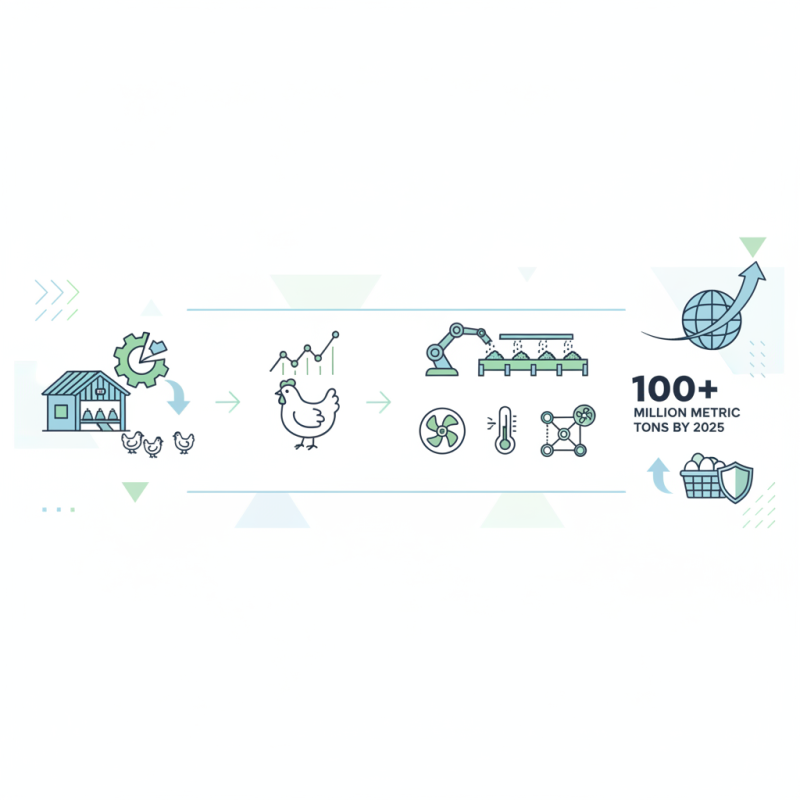
In the competitive poultry industry, efficient production is crucial. The right Broiler Farm Equipment can significantly impact output and quality. According to a recent report by the International Poultry Council, the global broiler meat production is expected to reach over 100 million metric tons by 2025. This growth underscores the importance of adopting advanced equipment.
Dr. Emily Hart, a renowned poultry equipment specialist, states, "Investing in modern Broiler Farm Equipment can streamline operations and improve animal welfare." Her insights highlight the industry's shift toward technology-driven solutions. For instance, automated feeding systems and climate control devices enhance broiler growth rates and reduce labor costs.
Yet, many farmers still rely on outdated tools. They face challenges like inconsistent feed distribution and poor ventilation. This can lead to lower productivity and higher disease rates. The ongoing need for innovation in Broiler Farm Equipment is evident. Addressing these gaps will be essential for meeting future demands. For farmers, reflecting on current practices and embracing modern solutions is critical for sustained success.
Essential Components of Broiler Farm Equipment for Poultry Farming
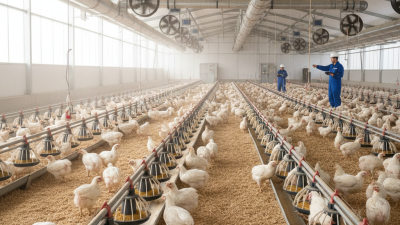
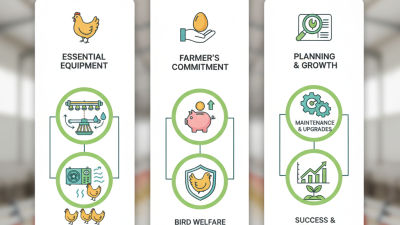
Efficient poultry production relies heavily on the right equipment. Essential components of broiler farm equipment include feeders, drinkers, and climate control systems. Studies suggest that proper feeding systems can improve growth by 10-15%. Effective feed management reduces waste and ensures that broilers receive balanced nutrition.
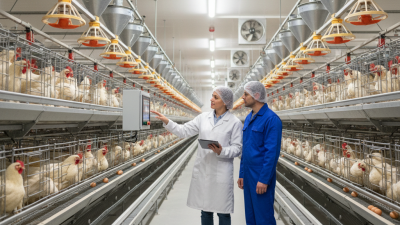
Climate control is crucial. Temperature and humidity impact bird health and productivity. The ideal temperature for broilers ranges from 20 to 24 degrees Celsius. A 2022 report revealed that maintaining optimal conditions can enhance feed conversion rates by up to 20%. Proper ventilation systems are equally important, as they prevent respiratory issues and ensure fresh air circulation.
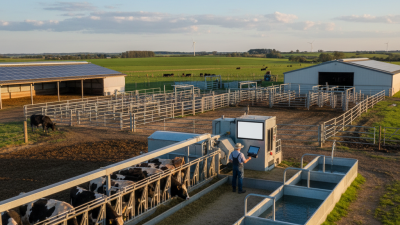
Furthermore, automation is gaining traction in modern broiler farming. Automated feeding and monitoring systems help farmers reduce labor costs and increase efficiency. However, reliance on technology requires regular maintenance and training. The balance between efficiency and potential over-dependence on machines is a challenge many face. Implementing these components thoughtfully can lead to a more productive poultry operation.
Feeding Systems: Ensuring Optimal Nutrition for Broiler Chickens
Feeding systems play a crucial role in broiler chicken production. Proper nutrition affects growth rate, feed efficiency, and overall health. A recent industry report suggests that up to 70% of poultry production costs are related to feed. This highlights the need for careful management of feeding systems.
Automated feeding systems can help ensure that broilers receive consistent and sufficient nutrition. These systems minimize waste and labor costs. Research indicates that well-designed feeding systems can improve feed conversion ratios by 5-10%. However, not all systems are created equal. Some existing setups may lead to uneven feed distribution. This can result in increased competition among birds, negatively impacting growth.
Monitoring feed intake is essential. Understanding the eating habits of broilers can lead to adjustments in feed type and delivery methods. Data shows that broilers prefer a specific pellet size. Feed size can influence their consumption patterns. Without proper adjustments, producers may not optimize growth or reduce feed wastage effectively. Continuous evaluation of feeding practices is necessary to enhance production outcomes. This focus on nutrition reflects an ongoing commitment to improved poultry management.
Top Broiler Farm Equipment for Efficient Poultry Production
| Equipment Type |
Description |
Benefits |
Efficiency Rating |
| Automatic Feeders |
Machines that supply feed automatically based on preset schedules. |
Consistent feeding, reduced labor, minimized feed waste. |
90/100 |
| Feed Bins |
Storage containers for bulk feed to ensure freshness and availability. |
Reduced spoilage, easier access to feed, increased biosecurity. |
85/100 |
| Nutritional Additive Systems |
Systems that integrate with feed to add vitamins and minerals. |
Enhanced growth rates, improved health, optimized feed conversion. |
95/100 |
| Watering Systems |
Automated systems that provide clean water to broiler chickens. |
Ensures hydration, promotes growth, reduces labor. |
92/100 |
| Climate Control Systems |
Equipment designed to maintain optimal temperature and humidity. |
Improved animal welfare, better feed conversion, reduced mortality. |
88/100 |
Climate Control Solutions: Maintaining Ideal Conditions for Growth
Maintaining ideal climate conditions is crucial for broiler production. The right temperature, humidity, and ventilation ensure optimal growth and health. Broilers thrive best in temperatures ranging from 70 to 75°F. If temperatures rise too high, birds may experience stress, impacting weight gain and feed conversion.
Tips: Regularly monitor your barn temperature. Use ceiling fans for better air circulation. Watch for signs of heat stress, such as panting and reduced activity.
Humidity control is equally important. Ideal humidity levels should be around 50% to 70%. Too much moisture can lead to respiratory issues and poor feather development. On the other hand, insufficient humidity can cause dehydration.
Focus on proper ventilation. Make sure your poultry house has adequate airflow. This helps remove excess heat and moisture. Avoid creating drafts that can chill the birds. Ensure fans are strategically placed for effective circulation.
Tips: Use dehumidifiers during wet seasons. Invest in hygrometers to measure humidity levels. Ensure enough fresh air without direct drafts on the birds.
Top Broiler Farm Equipment for Efficient Poultry Production
This chart illustrates the efficiency impact of various climate control solutions on broiler farm production. The data showcases the average weight gain of broilers under different climate control systems over a 6-week period.
Watering Equipment: Promoting Hydration and Health in Poultry
Water is essential for poultry health and productivity.
The right watering equipment ensures that flocks stay hydrated, which can improve overall performance.
According to industry reports, chickens require about 1.5 to 2 times more water than feed.
This ratio emphasizes the need for efficient watering systems in broiler farms.
There are various types of watering systems available, such as nipple drinkers and
bell drinkers. Nipple drinkers reduce water waste and maintain cleanliness.
However, they require regular maintenance to ensure proper function. Bell drinkers are easier to monitor,
but they can lead to water spillage, creating wet litter conditions. Wet litter
can harbor pathogens, negatively impacting flock health.
Properly balanced hydration strategies can increase growth rates and feed conversion efficiency.
Studies indicate that a 5% increase in water availability
can lead to a 3% increase in live weight gain.
Nonetheless, farm managers often struggle with implementing consistent water quality checks.
The importance of clean, fresh water cannot be understated;
it is a key factor in achieving optimal production outcomes. Continuous improvement in monitoring
and investment in high-quality watering systems are essential for future success.
Health Monitoring Tools: Enhancing Biosecurity and Disease Management
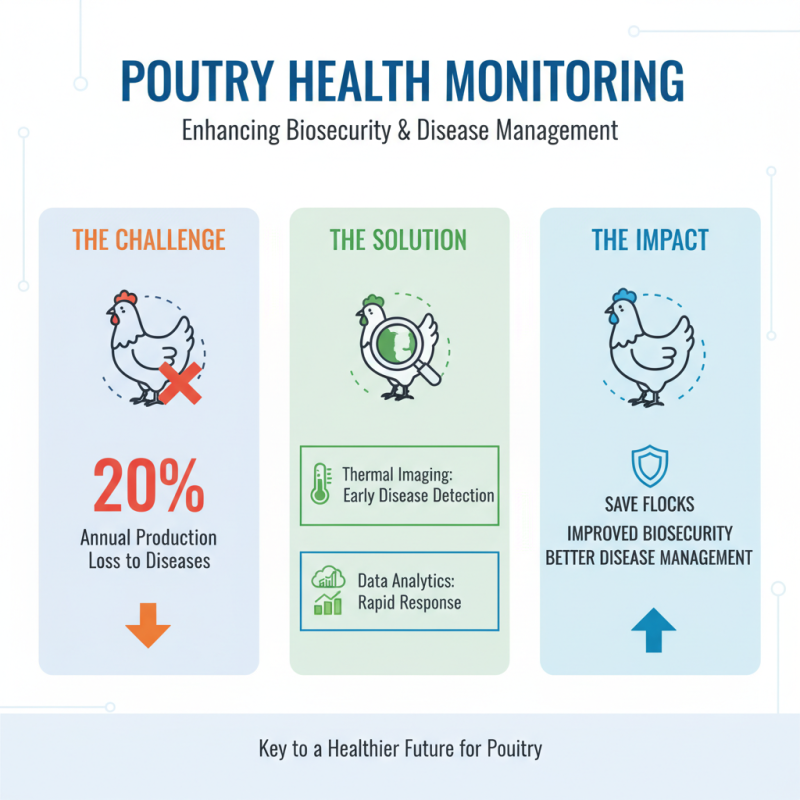
Health monitoring tools play a crucial role in poultry production. These tools enhance biosecurity and improve disease management. With an estimated 20% of poultry production lost to diseases annually, monitoring is essential. Technologies such as thermal imaging and data analytics aid in early disease detection. These methods allow farmers to respond quickly, potentially saving flocks.
Recent reports indicate that farms utilizing health monitoring systems see a 15% increase in productivity. Accurate monitoring can prevent the spread of diseases like avian influenza. Moreover, integrating sensors that track environmental conditions helps maintain the health of the birds. However, many farms still lack adequate technology, risking their operations.
While many solutions exist, finding the right fit for each farm's unique needs requires careful consideration. Some farms invest in technology but struggle with implementation. Training staff on new systems is essential for success. Regular updates and maintenance of monitoring equipment can lead to better outcomes. The effectiveness of these tools often depends on how well they are integrated into daily operations.