Best Poultry Farm Equipment for Efficient Production?
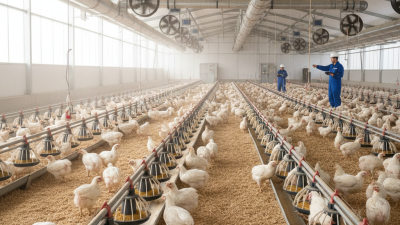
In the modern poultry industry, the efficiency of production hinges largely on the quality of poultry farm equipment. Dr. Emily Carter, a renowned expert in agricultural engineering, emphasizes, "Choosing the right equipment can make or break a poultry operation." Her insights highlight the critical role that technology and tools play in maximizing productivity.
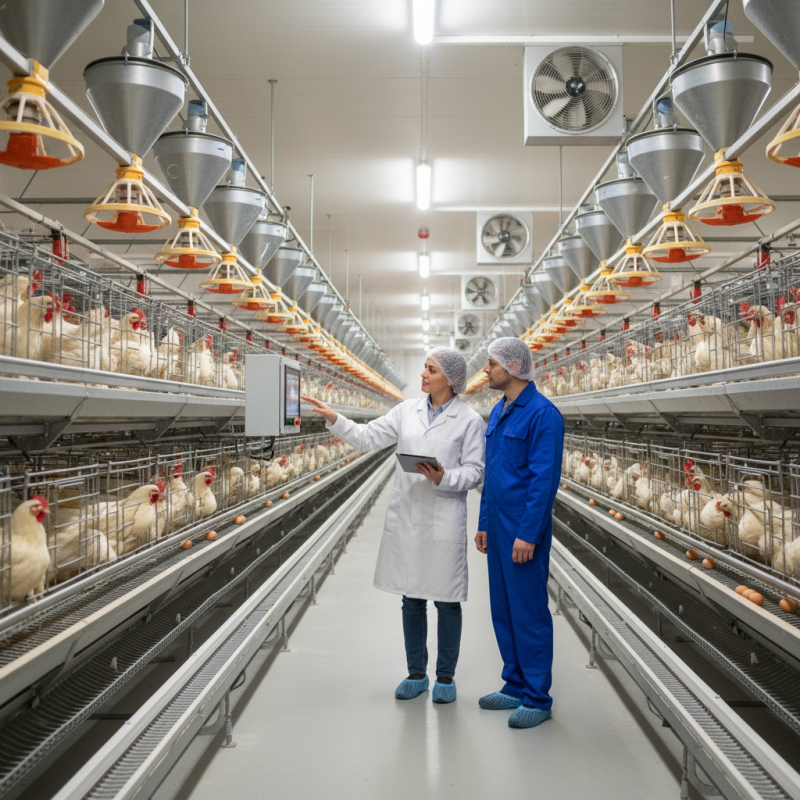
Effective poultry farm equipment streamlines various processes, from feeding to egg collection. Automated feeders and climate control systems can drastically reduce labor and enhance bird welfare. However, investing in the latest technology does not guarantee success. It's essential to evaluate specific needs and local conditions before making purchases.
Moreover, many farmers face challenges in integrating new equipment with existing systems. They must consider adaptability and training for their workforce. Embracing innovation while reflecting on past experiences often leads to better decisions. By focusing on the right poultry farm equipment, producers can improve not only their output but also the health of their livestock.
Best Practices for Selecting Poultry Farm Equipment for Optimal Efficiency
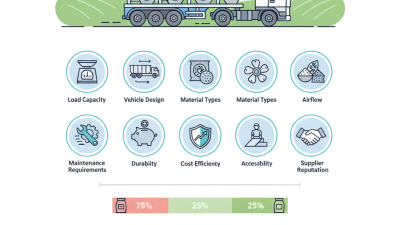
Selecting the right poultry farm equipment is crucial for maintaining productivity and efficiency. Consider focusing on your specific needs first. Conduct a thorough assessment of your farm size and production goals. Different operations require different tools, so tailor your equipment to match your unique circumstances.
Quality is paramount. Look for equipment made from durable materials that withstand the rigors of farm life. Check for reviews and user feedback that attest to a product's reliability. However, even top brands can have hiccups. Be prepared for maintenance challenges. These require careful planning and budgeting to ensure smooth operation.
Don't overlook the importance of energy efficiency. Investing in eco-friendly equipment may have a higher upfront cost but can lead to long-term savings. Monitor your energy use over time; it’s a good practice to evaluate efficiency regularly. Engage with other local farmers to share insights and experiences. Collaboration can provide valuable information that might influence your equipment choices.
Top Automation Technologies Enhancing Poultry Production Efficiency
Automation is transforming poultry production. Innovative technologies enhance efficiency and reduce labor costs. Smart feeders, climate control systems, and automated egg collection can optimize farm operations significantly. Integrating these tools can be a game-changer for poultry farmers.
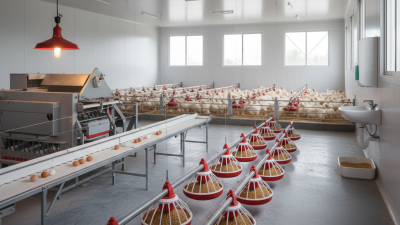
Using automated feeders ensures consistent nourishment for flocks. These systems monitor feed levels, adjusting in real time. They can minimize waste, but they require regular maintenance to function well. Remember that over-reliance on automation can lead to neglecting essential tasks like health checks.
Climate control systems help maintain ideal living conditions. They monitor temperature and humidity continuously. This automation creates a healthier environment for birds, boosting overall productivity. However, over-dependence on technology may overlook animal welfare concerns. Regular manual checks are crucial to evaluate the effectiveness of these systems.
Investing in automation is valuable but requires a balanced approach. Embrace flexibility in using technology alongside traditional methods. While automation can streamline processes, staying engaged with your livestock remains key to successful poultry farming.
Best Poultry Farm Equipment for Efficient Production
| Equipment Type |
Function |
Benefits |
Automation Level |
Estimated Cost ($) |
| Automatic Feeders |
Distribute feed uniformly |
Reduces labor costs, improves feed efficiency |
High |
2,500 - 5,000 |
| Egg Incubators |
Control temperature and humidity for egg hatching |
Increase hatch rates, maintain consistent conditions |
Medium |
1,200 - 3,500 |
| Watering Systems |
Provide constant access to clean water |
Reduces water wastage, ensures proper hydration |
High |
1,000 - 2,500 |
| Climate Control Systems |
Regulate temperature and air quality |
Enhances bird welfare, optimizes growth conditions |
Very High |
5,000 - 20,000 |
| Egg Collection Systems |
Automate egg gathering process |
Saves time and reduces egg breakage |
Medium |
3,000 - 8,000 |
Essential Feeding Systems to Improve Poultry Growth and Health
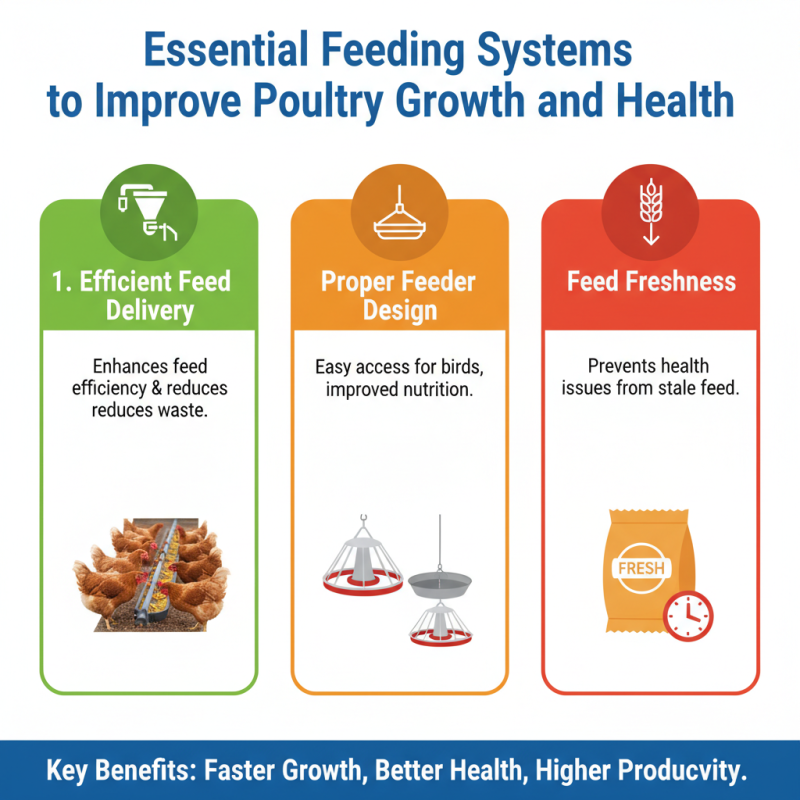
Feeding systems play a crucial role in the growth and health of poultry. An efficient feeding system can enhance feed efficiency while reducing waste. Properly designed feeders allow birds to consume their feed easily, leading to improved nutrition. Most importantly, ensure that feed is fresh, as stale feed can significantly affect poultry health.
Keep in mind that various age groups of poultry have different nutritional needs. Young chicks require a high-protein diet to support rapid growth. As they mature, their dietary needs shift. Adjusting diets according to growth stages promotes optimal health and productivity. Utilizing automatic feeders can help maintain consistency, but regular checks are essential.
When choosing a feeding system, consider ease of use and maintenance. Complex systems can lead to issues if not monitored closely. Regular cleaning is crucial to prevent diseases. A well-calibrated feeding schedule is also important. Too much feed at once can lead to waste, while too little may stunt growth. Aim for a balance that meets the needs of your flock while minimizing losses.
Innovative Climate Control Solutions for Poultry Barns and Aviaries
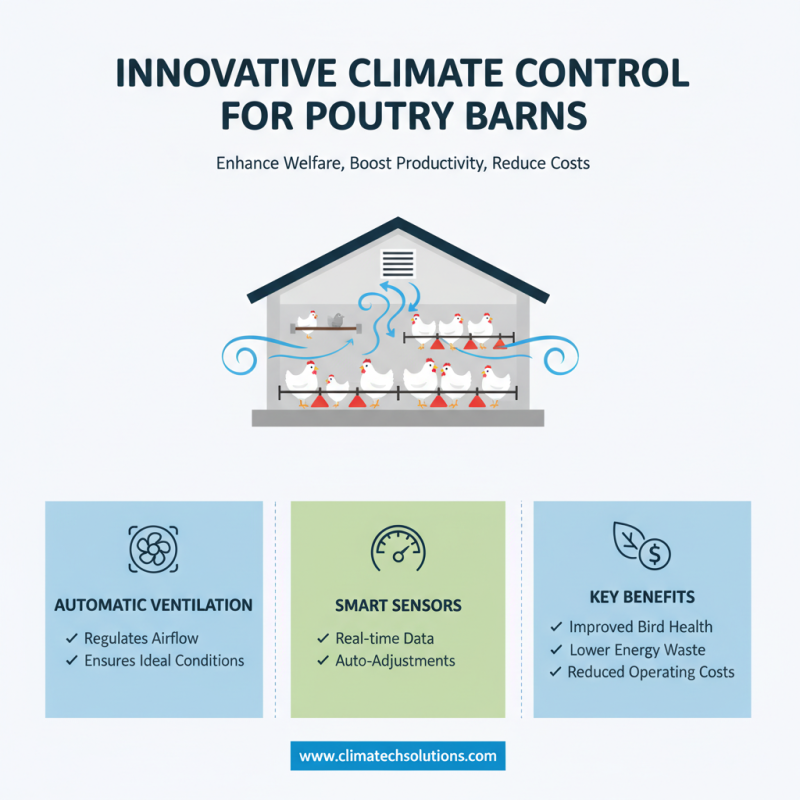
Innovative climate control solutions play a crucial role in poultry farming. Proper temperature management can enhance the welfare of birds and boost their productivity. Technology such as automatic ventilation systems can regulate airflow, ensuring ideal conditions. These systems often come with sensors that adjust based on real-time data. By implementing these, farmers can reduce energy waste and lower operating costs.
Humidity and temperature are vital for poultry health. High humidity can lead to respiratory issues and reduce egg production. In contrast, low humidity can cause discomfort. Modern solutions include dehumidifiers and misting systems that maintain optimal levels. With these tools, farmers can create a stable environment for their flocks.
However, integrating these systems is not always straightforward. Some farmers face technical difficulties when installing or maintaining equipment. Others might overlook the importance of regular checks. Continuous monitoring is essential for the success of climate control solutions. Without it, the benefits may be diminished. This highlights a need for education and training in effective climate management strategies in poultry production.
Effective Waste Management Systems to Enhance Poultry Farm Sustainability
Effective waste management is crucial for sustainable poultry farming. Efficient systems help maintain hygiene and reduce environmental impact. Waste can be composted to create organic fertilizer, enhancing soil health. By recycling poultry litter, farmers can lower disposal costs while benefiting their crops.
Farmers face challenges with waste accumulation. Odor and pests can create issues if not managed properly. Implementing regular waste collection schedules can prevent these problems. Additionally, utilizing technology to monitor waste levels can improve efficiency. However, not all solutions fit every farm; customization is key.
Investing in composting systems requires upfront resources, but the long-term benefits are significant. Farmers may hesitate due to initial costs. Yet, embracing sustainable practices often leads to cost savings and improved farm productivity. Continuous learning about effective waste management strategies is essential in today's evolving agricultural landscape.
Best Poultry Farm Equipment for Efficient Production
This chart illustrates the effectiveness of various poultry farm equipment in improving production efficiency and waste management, highlighting key areas for enhancing sustainability in poultry farming.