Top Pig Farming Equipment You Need for Successful Farming?
In the world of agriculture, "Pig Farming Equipment" plays a critical role in ensuring efficient and productive farming operations. As Dr. Jane Smith, a leading expert in livestock management, noted, “Investing in the right equipment can transform your pig farm into a thriving business.” The right tools not only improve the welfare of the pigs but also streamline daily tasks for farmers.
When aiming for a successful pig farming venture, understanding the necessary equipment is imperative. Essential items include feeding systems, waterers, and farrowing crates. These tools help maintain hygiene and promote growth. However, many farmers overlook the importance of equipment maintenance, which can lead to inefficiency and increased costs. It’s vital to regularly assess your tools, ensuring they meet both current and future needs.
Moreover, technological advancements have revolutionized pig farming. Automation systems can enhance feeding processes, yet not every farmer is ready to embrace these changes. Reflecting on what works best for your operation is key. Balancing traditional methods with modern innovations creates a dynamic approach to pig farming. Understanding these factors will ultimately contribute to a more effective and profitable farming practice.
Top Pig Farming Equipment Overview and Its Importance
Choosing the right equipment for pig farming is crucial for success.
Quality devices can enhance productivity and ensure animal welfare. Importance lies in optimizing daily operations.
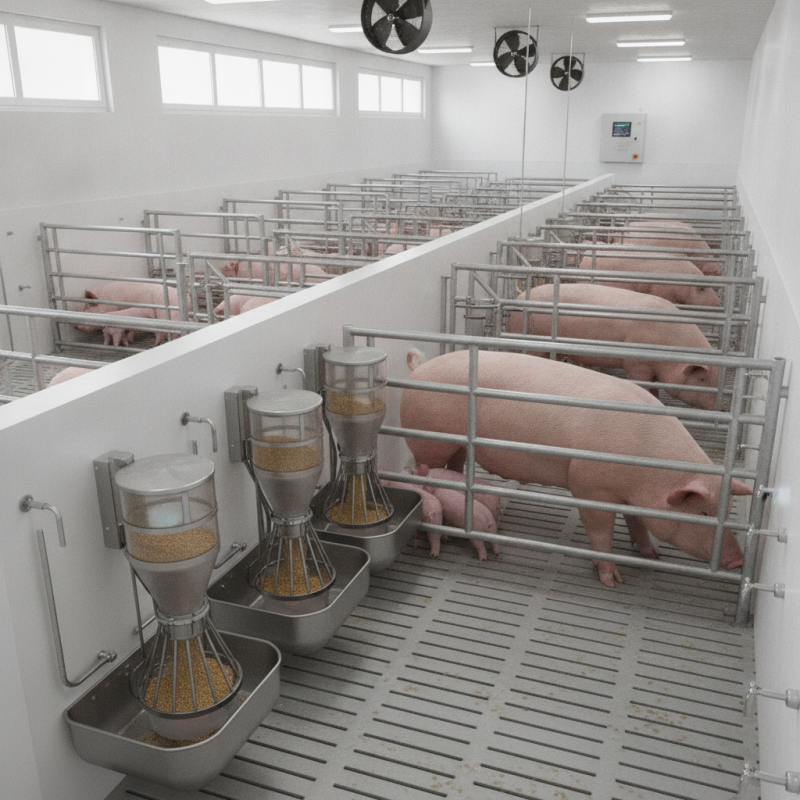
Efficient feeding systems reduce waste and ensure that pigs receive proper nutrition.
It enhances growth rates, leading to better meat quality.
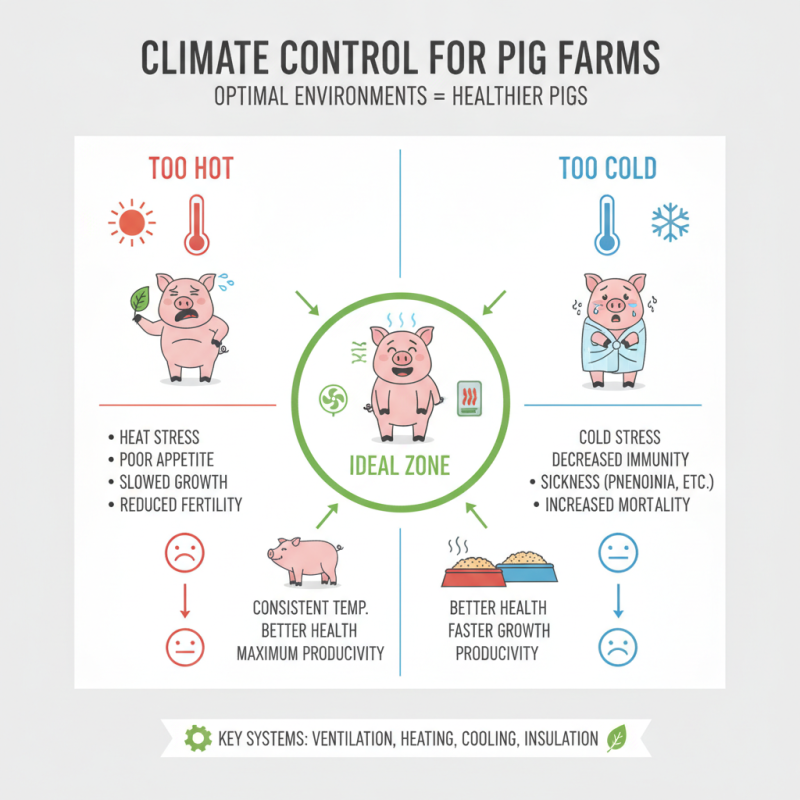
Proper housing systems protect pigs from extreme weather. Well-designed barns improve airflow and cleanliness.
This minimizes health risks and promotes animal comfort. However, many farmers overlook ventilation.
It's vital to regularly assess ventilation systems to prevent respiratory issues.
Investing in health monitoring tools aids in early disease detection. Relying solely on traditional methods isn’t enough.
Technology can provide valuable insights into the well-being of the herd.
Regular evaluations can help you adjust management practices.
Reflecting on these aspects is essential for continuous improvement in pig farming.
Essential Feeding Equipment for Enhanced Pig Growth and Nutrition
Feeding equipment plays a crucial role in enhancing pig growth and nutrition. An effective feeding system ensures that pigs receive the right nutrients at the right time. One common option is the automatic feeder. This type of feeder reduces labor costs and minimizes feed wastage. It can deliver precise portions based on the pig's age and weight. Maintaining proper hygiene in feeding equipment is vital. Regular cleaning prevents bacterial growth and ensures that pigs stay healthy.
Tip: Always adjust the feed type according to the growth stages of pigs. For instance, piglets need a different diet compared to sows. Monitoring their weight regularly helps you determine if the feeding amount is adequate.
Another essential piece of equipment is the water supply system. Clean, fresh water is crucial for pig health. Provide easy access to water, as dehydration can stunt growth and lead to health issues. The water system should be regularly checked to ensure it is functioning properly.
Tip: Observe pigs while they drink. If they seem agitated or reluctant, the water supply might need an adjustment. Regularly test the water quality to ensure it is safe for consumption.
Health Management Tools: Ensuring Healthy Swine Production
Health management tools are essential for ensuring healthy swine production. Effective monitoring systems can help farmers track the overall wellbeing of their herd. Regular weight checks and growth rate assessments provide insights into the livestock's health status. If pigs aren't gaining weight as expected, it may indicate underlying health issues that should be addressed promptly.
Vaccination tracking software can streamline the administration of vaccines. This ensures that each animal receives the necessary immunizations at the right time. Developing a reliable vaccination schedule is crucial for preventing outbreaks of diseases. Farmers should keep detailed records to identify which animals have been vaccinated and when.
Utilizing nutrition management software is another intelligent move. It helps farmers assess the nutritional needs of pigs at different growth stages. Not all feed is created equal, and some may lack essential vitamins or minerals. This tool enables farmers to adjust rations to enhance growth and health. Reflecting on any discrepancies in animal performance can help identify gaps in these management practices, leading to better decisions in the future.
Automation in Pig Farming: Efficiency and Cost-Effectiveness
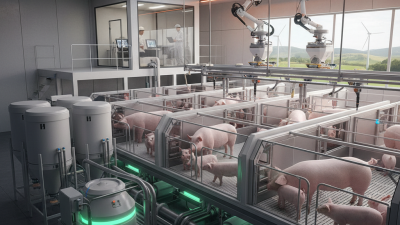
Automation in pig farming is transforming the industry. Many farmers are now incorporating advanced systems to streamline operations. These innovations enhance efficiency and reduce labor costs. For instance, automated feeding systems can deliver precise amounts of feed at scheduled times. This not only saves time but also ensures pigs receive the optimal nutrition they need for growth.
Another crucial aspect of automation is monitoring. Smart sensors can track the health and behavior of pigs in real-time. This technology helps farmers identify issues quickly. However, reliance on automated systems can lead to challenges. Not all farmers are comfortable with technology, and troubleshooting can be complicated. Training is essential for effective use.
While automation offers many advantages, it requires careful implementation. Balancing technology with traditional practices can be tricky. Farmers need to evaluate their own comfort level with new systems. Additionally, costs associated with setup and maintenance can be significant. This reality prompts a deeper reflection on whether the benefits justify these investments. Efficient pig farming isn't just about technology; it's about finding the right balance.