Why Choose Livestock Semi Trailers for Efficient Transport?
In the transporting of livestock, efficiency and safety are paramount. Industry expert John Peterson, a seasoned logistics consultant, emphasizes, "A Livestock Semi Trailer is designed to ensure the welfare of animals during transit." This highlights the importance of choosing the right equipment for moving livestock.
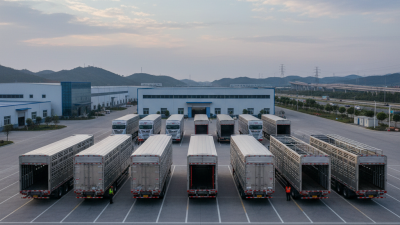
Livestock Semi Trailers are specifically engineered to meet animal transport needs. They feature ventilated compartments and secure holding areas. These elements contribute to a stress-free environment for livestock. The right trailer not only protects the animals but also improves transport time.
However, not all Livestock Semi Trailers are created equal. It's vital to choose trailers that comply with industry regulations and safety standards. Many operators overlook essential features, leading to compromised animal welfare. Reflecting on the selection process can ensure more efficient and humane transport in the livestock industry.
Benefits of Livestock Semi Trailers in Agricultural Logistics
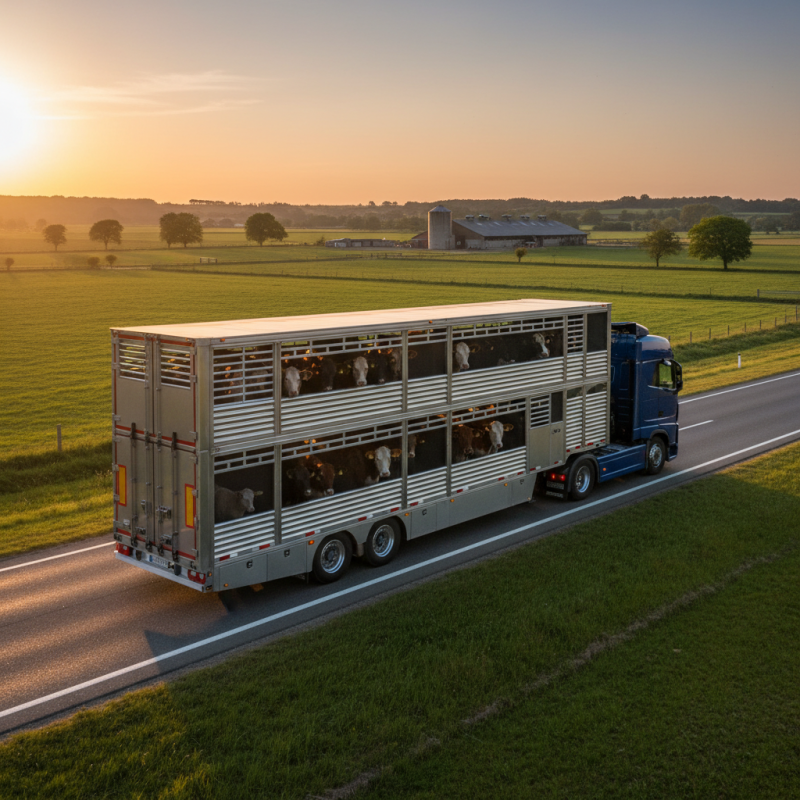
Livestock semi trailers play a vital role in agricultural logistics. These trailers are designed for transporting animals safely and efficiently. They provide adequate space and ventilation, ensuring animal welfare during transit. A well-ventilated trailer reduces stress levels among animals, promoting better health upon arrival. This aspect is critical for farmers aiming to maintain high-quality livestock.
Efficiency is another key benefit. Livestock semi trailers can carry large quantities of animals in a single trip. This capability saves time and fuel, which is crucial for farmers operating on tight schedules. The design of these trailers allows for easy loading and unloading, minimizing the time animals spend in transit. However, it's essential to routinely check the operating conditions of the trailers. Even small issues can affect performance and safety.
Another important detail is the need for ongoing maintenance. Regular inspections help prevent accidents and animal distress. Sometimes, the logistics teams may overlook minor repairs in favor of immediate transport needs. This oversight can lead to bigger problems down the line. Therefore, prioritizing upkeep ensures both efficiency and safety. Investing in robust maintenance practices can significantly enhance the reliability of livestock transport operations.
Key Features of Livestock Semi Trailers for Animal Welfare
When considering the transport of livestock, choosing the right semi trailer is crucial.
Efficient design plays a key role in ensuring
animal welfare during transit. Livestock semi trailers often feature
well-ventilated areas that maintain the ideal temperature and airflow. This protects animals from
stress caused by heat or cold.
Another important aspect is the loading and unloading process.
A quality trailer will have easy access points.
This enhances the safety of both animals and handlers. Ramps should be gradual, reducing the chance
of injury during entry or exit. Smooth surfaces also prevent slips, making transit safer for all involved.
Regular maintenance of these trailers is essential for reliability. Over time, wear and tear can
create safety issues. Inspecting the floors, walls, and ventilation regularly helps identify potential
problems. Ensuring a trailer is in good condition contributes significantly to the welfare of the livestock.
Awareness of these factors can lead to better decision-making and improved outcomes during transportation.
Comparative Analysis: Livestock Semi Trailers vs. Traditional Transport Methods
When comparing livestock semi trailers to traditional transport methods, several factors come into play. Livestock semi trailers are specifically designed with the animals' needs in mind. According to the American Transportation Research Institute, using specialized trailers can improve animal welfare during transport. These trailers provide better ventilation and space. A study indicated that trailers designed for livestock can reduce stress levels by up to 20%.
In contrast, traditional transport methods often lack this specialization. An average truck may not have adequate features to ensure the comfort of the animals. This can lead to higher mortality rates and lower quality meat. Reports from the USDA have shown that improper transport can increase the risks of injury and disease among animals.
Moreover, efficiency is a significant concern. Livestock semi trailers can carry more weight and size, maximizing space usage. A report from the National Agricultural Statistics Service highlights that optimized transport can reduce operational costs by approximately 15%. However, not all businesses invest in premium trailers, which can create disparities in transport quality. The decision to upgrade often lags behind the industry standards.
Comparison of Livestock Transport Methods
Economic Impact: Cost-Effectiveness of Livestock Semi Trailers
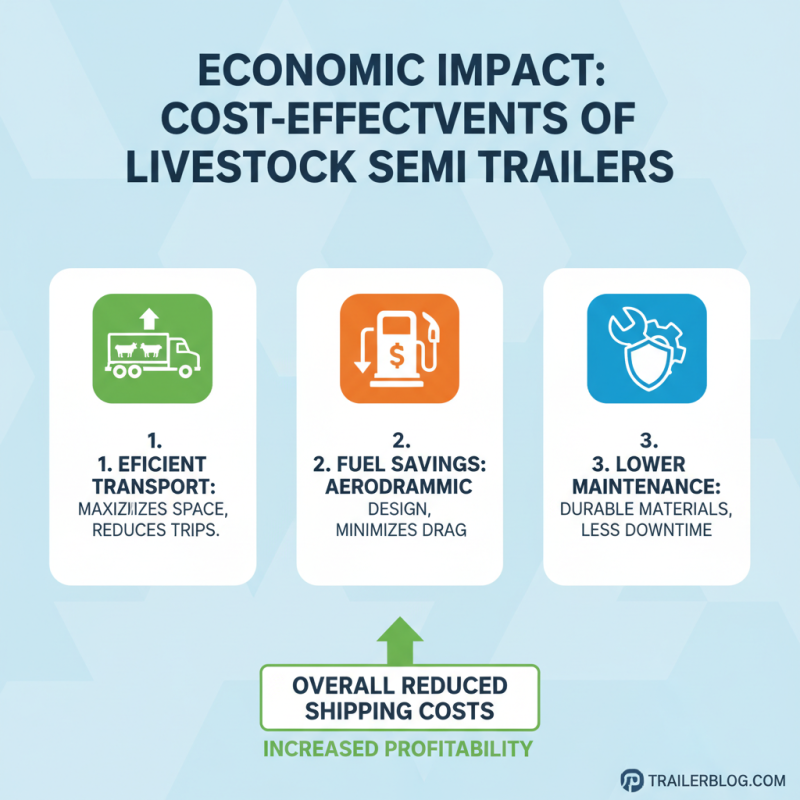
Livestock semi trailers are increasingly recognized for their cost-effectiveness in transporting animals efficiently. With rising fuel prices and maintenance costs, choosing the right transportation solution becomes crucial. Livestock semi trailers are designed to maximize space and minimize fuel expenses, which helps to lower overall shipping costs.
While these trailers can be an initial investment, they pay off in the long run. Consider their durability and capacity. A well-built trailer can endure harsh conditions and transport more animals at once. This reduces the number of trips needed, saving time and money. However, potential buyers should carefully assess their specific transport needs and costs.
**Tips:** Regular maintenance is key. Check for wear and tear often. Investing in regular service can prevent costly repairs. It’s also wise to evaluate local regulations impacting trailer specifications. Compliance not only avoids fines but ensures safe transport for livestock. A correctly equipped trailer can make all the difference in efficiency.
Regulatory Standards and Compliance in Livestock Transportation
Transporting livestock requires careful consideration of regulations and compliance standards. These guidelines ensure the safety and welfare of animals during transit. Livestock semi-trailers must meet specific design criteria to protect animals from stress and injury. Proper ventilation and secure enclosures are essential features.
Regulatory standards vary by region but typically include weight limits, space requirements, and temperature controls. Compliance with these standards shows a commitment to ethical practices. For example, overloaded trailers can cause severe distress and injury. It is crucial to inspect vehicles regularly and keep thorough records.
Transporters sometimes face challenges in meeting these standards. They may struggle with equipment that does not comply or face unexpected inspections. Continuous education on evolving regulations is necessary. This ensures that transport remains not only efficient but also humane and responsible. Animals are often at risk in transit, making awareness vital.