Top Pig Transport Truck Options for Global Buyers?
In the fast-evolving world of agricultural logistics, choosing the right Pig Transport Truck is crucial. Experts like John Smith, a renowned figure in livestock transportation, emphasize, "Quality trucks are vital for animal welfare and operational efficiency." Understanding the nuances of various pig transport options can greatly impact your business.
When selecting a Pig Transport Truck, one must consider several factors. These include design, efficiency, and comfort for the animals. Research shows that well-designed trucks can reduce stress for the pigs during transit. However, not all buyers know this. Each option on the market comes with its advantages and shortcomings.
Additionally, the increasing demand for humane transportation cannot be ignored. Trucks must not only comply with legal standards but also prioritize the well-being of the animals. While some manufacturers offer innovative features, their effectiveness varies significantly. Thus, careful evaluation is essential to make informed decisions in this important sector.
Top Features to Consider in Pig Transport Trucks
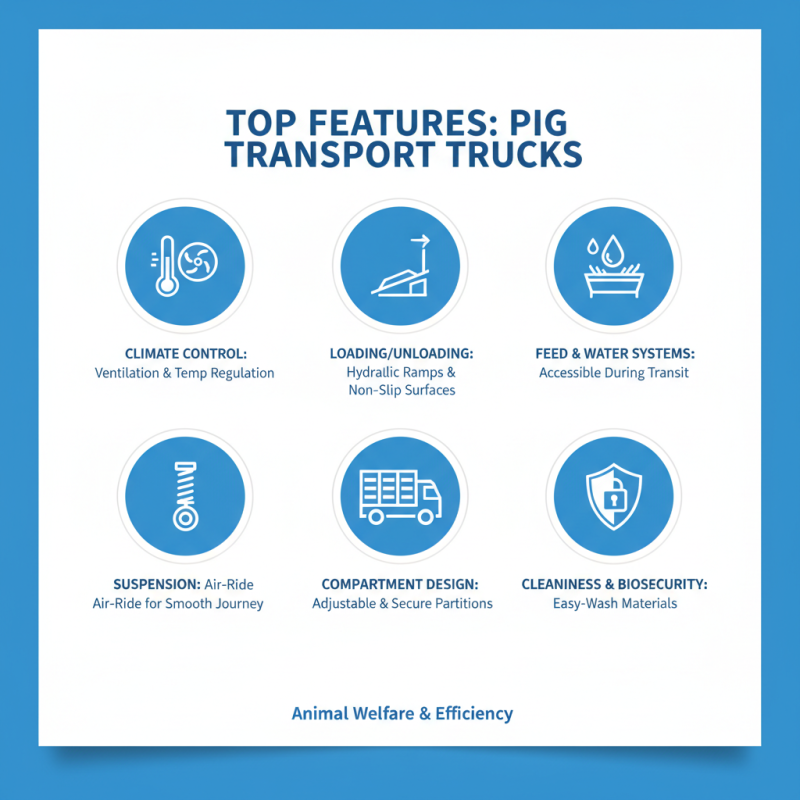
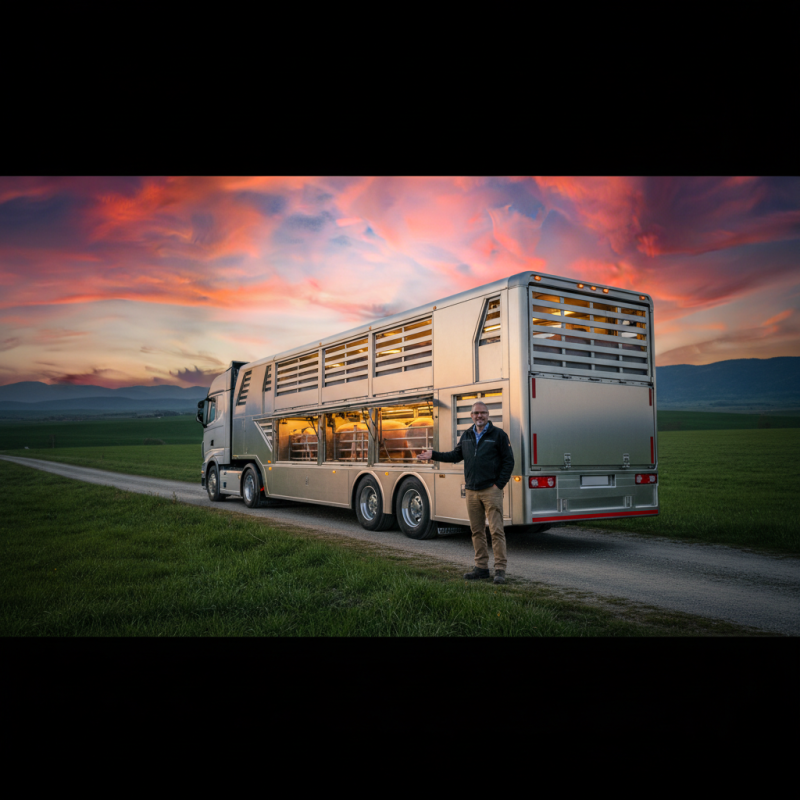
When selecting a pig transport truck, key features greatly impact animal welfare and efficiency. Trucks should have proper ventilation to regulate airflow. According to industry standards, the right ventilation can reduce stress in pigs during transport, leading to healthier animals upon arrival. A well-designed airflow system can also help maintain appropriate temperature ranges, especially during long hauls.
Weight capacity and distribution are critical factors. Trucks should carry a maximum weight that adheres to safety regulations. Heavy loads can strain both the vehicle and animals. The truck's structure must ensure that weight is evenly distributed to prevent accidents. Poor weight distribution risks injuries to livestock, which can be detrimental to their health and increase operational costs. This consideration is vital for maintaining the integrity of the transport process.
Ease of loading and unloading also plays a role in truck design. Ramps should be gentle and wide enough to accommodate movement. A smooth loading process reduces the risk of injuries. However, some designs overlook these practical needs, leading to delays and animal stress. Reliable trucks should be evaluated on these aspects to ensure they meet the high standards required for animal transport.
Understanding Different Types of Pig Transport Vehicles
Transporting pigs requires specialized vehicles tailored to meet their welfare needs. Various types of pig transport vehicles are available, each designed for specific operational scenarios. The most common options include enclosed trailers, open-air trucks, and modular transport units.
Enclosed trailers are prevalent in large-scale operations. They provide protection from weather and reduce stress on the animals. According to industry reports, these trailers can minimize the transportation mortality rate to below 1%, a crucial metric for farmers. However, ventilation is a constant concern. If not properly managed, it can lead to heat stress or respiratory issues in pigs.
Open-air trucks are often used in regions with milder climates. They are more economical but pose risks during extreme weather. Research indicates that animals exposed to direct sunlight can suffer from dehydration quickly. Modular units offer flexibility. They can be adapted for different sizes of pigs and are easier to clean, but their durability can be a point of scrutiny. A lack of standardization in the materials may lead to safety concerns.
Choosing the right vehicle involves balancing cost, animal welfare, and operational efficiency. Each option has benefits and drawbacks that buyers must consider carefully. Making an informed decision helps address these challenges effectively.
Comparative Analysis of Leading Pig Truck Brands
When considering pig transport trucks, various brands offer distinct advantages. Each brand features unique design elements that cater to specific needs. These include varying dimensions, materials, and technology integrations. Buyers should evaluate these aspects carefully. For instance, some truck models prioritize aerodynamics to reduce fuel consumption. Others focus on maximizing animal comfort during transport, providing better ventilation and smoother rides.
Durability is another crucial factor. Some brands excel in rugged construction, ensuring that their trucks withstand harsh environmental conditions. However, this durability sometimes comes at the expense of weight, impacting payload capacity. It's important to reflect on the trade-offs between strength and efficiency. Additionally, after-sales support varies significantly across options, influencing the overall ownership experience.
Customization options are available as well, allowing buyers to choose specific features tailored to their operations. Including specialized compartments can improve organization. Yet, over-customization may lead to increased maintenance challenges. A critical assessment of brand offerings, alongside operational requirements, will guide global buyers toward the most suitable solutions.
Regulatory Standards for Pig Transportation Globally
Global pig transportation is increasingly regulated to ensure animal welfare and safety. The World Organisation for Animal Health (OIE) sets guidelines, which many countries adopt. Their standards emphasize proper space, ventilation, and humane handling during transport. In the EU, the transport regulations specify a minimum space allowance of 0.3 square meters per pig. This ensures pigs can stand comfortably. Countries with stringent regulations see better outcomes, both for animal welfare and transport efficiency.
An industry report from the Food and Agriculture Organization (FAO) highlights that non-compliance can lead to health risks. For instance, improperly transported pigs can face higher stress levels, leading to illness. Common issues arise from overcrowding and inadequate ventilation. The report shows that up to 30% of pigs can suffer stress-related conditions during transit, impacting their overall health. Ensuring compliance with regulations can reduce these risks and improve market stability.
Transporters face challenges in meeting diverse regulatory standards. Different countries have varying requirements, which can complicate logistics. Adapting to these conditions requires expertise and flexibility. Also, some regions struggle with outdated transport infrastructure. Continuous monitoring and updating of transport practices are crucial. Countries must address these issues to improve animal welfare and align with global standards.
Cost Factors Affecting Pig Transport Truck Purchases
When considering pig transport truck purchases, various cost factors come into play. Initial costs dictate the budget. Buyers must account for both the price of the truck and potential customization. A standard truck may appear economical, but it often lacks essential features. Custom options can significantly boost price, yet they improve efficiency.
Maintenance is another crucial factor. Regular upkeep and repairs add to long-term costs. Predictable service can help manage expenses, but unexpected breakdowns may jeopardize operations. Additionally, fuel efficiency impacts overall expenses. Trucks that consume less fuel reduce operational costs, which can be a deciding factor for many buyers.
Financing options also affect the total cost of ownership. Buyers must explore leases versus purchases. Each option presents unique advantages and drawbacks. Understanding these elements is vital for informed decision-making. Knowledgeable buyers consider both upfront and ongoing costs. This holistic view aids in selecting the right truck for transport needs.
Top Pig Transport Truck Cost Factors
This chart illustrates the various cost factors influencing pig transport truck purchases, including initial price, fuel efficiency, maintenance costs, capacity, and safety features. Understanding these factors can help global buyers make informed decisions.