Leave Your Message
Choosing the right Livestock Transport Truck manufacturer requires more than comparing prices or polished brochures. Global buyers need reliable vehicles that protect animals, support drivers, and perform across changing roads, climates, and loading conditions. In 2026, leading manufacturers will be judged by practical engineering, documented quality, and responsive service.
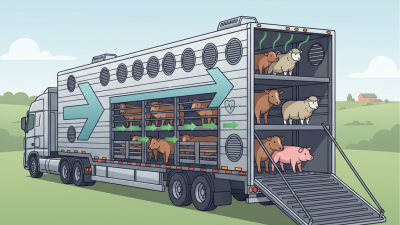
This guide examines manufacturers through real purchasing priorities. These include ventilation design, non-slip flooring, drainage, partition strength, loading height, cleaning access, and secure livestock handling. A well-designed truck should reduce injury risks during movement and limit heat stress during long journeys. It should also provide a workable layout for routine inspection and sanitation.
Details matter.
Manufacturing experience remains important, but it should be supported by verifiable evidence. Buyers should review production records, component specifications, warranty terms, delivery capacity, and customer references. Independent inspections can reveal weaknesses that catalog images hide. Regional road conditions and animal transport requirements also deserve careful attention, because one configuration may not suit every market.
Some rankings remain imperfect. Public information is often incomplete, and manufacturer claims may not reflect long-term field performance. Therefore, this overview does not treat size or brand recognition as automatic proof of quality. It focuses on transparent comparison, responsible design, and realistic ownership value. The strongest suppliers usually combine engineering knowledge with after-sales support, spare-parts access, operator training, and clear communication. For global buyers, confidence should come from evidence, not promises.
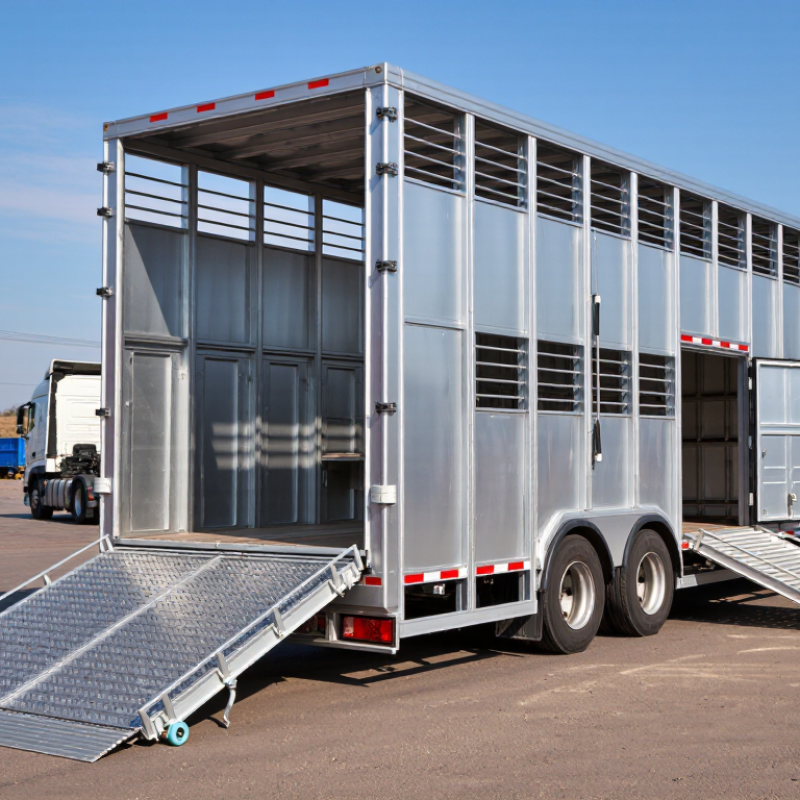
In 2026, global buyers should compare livestock trucks by animal type, payload, ventilation, and route length. Common configurations include single-deck cattle trucks, double-deck pig trailers, sheep carriers, and modular bodies for mixed operations. Practical payloads often range from 3 to 8 tonnes, depending on axle limits, flooring, climate equipment, and animal density. These figures are not universal.
EU Regulation 1/2005 remains a critical reference for vehicles entering or operating within the European market. For journeys exceeding eight hours, transport equipment generally requires approval, suitable ventilation, water access, temperature monitoring, and emergency planning. The European Commission’s Animal Transport statistics show that millions of farm animals move across EU borders annually, making compliance a purchasing issue, not paperwork. Buyers should also review loading ramps, non-slip floors, internal partitions, and cleaning access.
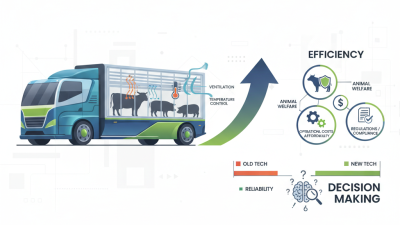
Animal welfare changes the specification. EFSA’s 2022 scientific assessment identified heat stress, injuries, fatigue, and restricted movement as major transport risks. A well-designed truck should keep air moving around crowded animals, even when traffic stops under strong sunlight. Payload figures can look impressive on paper. Real operating capacity may fall after adding water tanks, partitions, cooling systems, and bedding. That detail is easy to miss. Route trials, service records, and independent inspection reports provide stronger evidence than brochures. Buyers should verify local certification, driver training requirements, and seasonal temperature controls before selecting a manufacturer. Some specifications still need better field validation.
| Truck Type | Typical Livestock Application | Common Vehicle Configuration | Indicative Payload Range | Typical Animal Capacity | Body and Welfare Features | EU Regulation 1/2005 Considerations | Global Buyer Evaluation Points |
|---|---|---|---|---|---|---|---|
| Light livestock truck | Small groups of sheep, goats, calves, pigs, or poultry for local and regional collection. | 4×2 rigid truck or light commercial chassis with a single-level ventilated body. | Approximately 1–3 tonnes | About 20–45 sheep or goats, depending on live weight and usable floor area. | Non-slip floor, washable panels, secure side gates, roof ventilation, and low loading height. | Animals must be fit for transport, protected from injury, and provided with adequate ventilation and space. Journey documentation and authorization requirements depend on journey type and duration. | Check axle capacity, local driving-licence rules, cleaning access, corrosion protection, and availability of replacement parts. |
| Medium rigid livestock truck | Mixed regional transport of cattle, pigs, sheep, or goats. | 4×2 or 6×2 rigid chassis with single- or double-deck body. | Approximately 4–10 tonnes | Roughly 25–55 adult cattle on a single deck, or approximately 80–180 pigs on suitable multi-level layouts. | Adjustable partitions, separate compartments, hydraulic or foldable ramps, drainage channels, and washable interior lining. | Internal partitions must prevent overcrowding and excessive movement. Loading facilities must reduce slipping and falls. Additional requirements apply to long journeys and species-specific stocking density. | Compare usable floor area rather than external body volume; verify payload after adding ramps, partitions, water systems, and lifting equipment. |
| Heavy rigid cattle truck | Commercial transport of adult cattle, breeding cattle, and feeder cattle. | 6×2 or 6×4 rigid chassis, generally with a high-volume single deck or limited two-deck design. | Approximately 8–16 tonnes | Commonly about 35–70 adult cattle, subject to animal weight, body dimensions, and legally required floor space. | Full-width loading ramp, robust partitions, internal lighting, non-slip rubber or profiled flooring, and impact-resistant sidewalls. | For long journeys, the vehicle must satisfy applicable requirements for ventilation, temperature monitoring, watering and feeding systems, journey planning, and approval where required. | Evaluate turning radius, bridge and axle-load limits, ramp angle, emergency access, livestock separation options, and wash-down efficiency. |
| Multi-deck pig transport truck | High-volume movement of pigs between farms, assembly points, and processing facilities. | 6×2, 6×4, or tractor-trailer combination with two or three usable decks. | Approximately 10–24 tonnes | Often about 100–250 market pigs, depending on average live weight, temperature, floor area, and deck arrangement. | Low-gradient loading ramps, solid or suitably designed partitions, forced ventilation, temperature sensors, misting or cooling provisions, and high-pressure cleaning systems. | Transport conditions must avoid unnecessary suffering. Stocking density must account for animal size, weather, and journey duration. Pigs transported on long journeys require access to water and appropriate feeding arrangements. | Prioritize airflow uniformity across every deck, temperature-control redundancy, non-slip flooring when wet, and rapid disinfection between loads. |
| Multi-deck sheep and goat truck | Long-distance transport of sheep, goats, and small ruminants. | 6×2 or tractor-trailer configuration with two or three decks and adjustable internal partitions. | Approximately 8–22 tonnes | Approximately 250–700 sheep or goats, depending on average live weight, horn status, floor area, and deck height. | Ventilated side panels, secure partitions, raised or protected water points, non-slip floors, and separated loading compartments. | Animals must have sufficient floor space and headroom. Special attention is required for heat stress, ventilation, weather protection, and separation of incompatible animals. | Check deck clearance for horned animals, ventilation at the lowest deck, loading speed, water distribution, and compatibility with local livestock handling systems. |
| Poultry transport truck | Broilers, layers, turkeys, ducks, and other poultry transported in crates or modular containers. | 4×2 or 6×2 rigid truck with open-sided ventilation body or container-carrying platform. | Approximately 3–15 tonnes | Capacity is normally specified by crate count and bird weight; a vehicle may carry approximately 300–1,200 poultry crates. | Secure crate locking, unobstructed airflow, shade or weather protection, washable deck, smooth loading access, and optional mechanical loading equipment. | Containers must be designed and handled to prevent injury and escape. Ventilation and protection from extreme weather are essential; stocking levels must reflect bird size and conditions. | Assess airflow around stacked crates, payload distribution, crate compatibility, cleaning time, loading-cycle efficiency, and seasonal heat-management performance. |
| Calf and young-stock transporter | Unweaned calves, weaned calves, young cattle, and breeding replacements. | 4×2 or 6×2 rigid vehicle with adjustable partitions and a single or double deck. | Approximately 4–12 tonnes | About 35–100 calves, depending on age, body weight, compartment design, and required floor area. | Gentle loading ramp, low-stress partitions, controlled ventilation, protected edges, cleanable surfaces, and optional milk or water equipment. | Unweaned animals have specific journey-time, feeding, and fitness considerations. Transporters must verify age, health, documentation, and access to appropriate feeding arrangements before dispatch. | Review temperature control, floor drainage, compartment visibility, cleaning validation, and procedures for rejected or unfit animals. |
| Livestock tractor-trailer combination | High-volume cross-border transport of cattle, pigs, sheep, goats, or mixed consignments by specialized operators. | Three-axle tractor with two- or three-axle livestock semi-trailer; often multi-deck and hydraulically adjustable. | Approximately 18–30 tonnes | Typical capacity may range from 60–90 cattle, 180–350 pigs, or 500–1,000 sheep, depending on species and live weight. | Multiple compartments, hydraulic decks, automatic ventilation, water tanks, temperature monitoring, rear and side loading options, and integrated wash-down provisions. | Long journeys within the EU require compliance with applicable authorization, vehicle approval, journey-log, driver or attendant, ventilation, temperature, watering, and feeding provisions under Regulation 1/2005. | Confirm legal gross combination mass, axle limits, route restrictions, service support across borders, electronic records, and emergency-recovery procedures. |
| Specialized long-distance livestock trailer | Extended international journeys involving high animal volumes and scheduled rest, watering, or feeding operations. | Heavy-duty multi-axle trailer with two or three decks, usually operated with a compatible tractor unit. | Approximately 20–30 tonnes | Capacity varies widely: approximately 60–90 cattle, 200–350 pigs, or 600–1,000 small ruminants may be possible under suitable conditions. | Redundant ventilation, onboard water storage, temperature alarms, feed storage where required, emergency exits, adjustable decks, and segregated compartments. | For journeys exceeding eight hours, the vehicle may require specific approval and equipment. Temperature records, ventilation capability, journey planning, and animal-welfare contingency procedures are critical. | Request documented type approval, maintenance records, calibration certificates, route-temperature simulations, and evidence that the design meets destination-country rules. |
| Modular livestock body | Operators requiring one chassis to serve different species or seasonal transport programs. | Interchangeable body, removable partitions, adjustable deck system, or containerized livestock module. | Approximately 5–25 tonnes | Capacity depends on the installed module and may range from small groups to commercial multi-deck loads. | Reconfigurable partitions, removable ramps, standardized mounting points, washable panels, and species-specific ventilation inserts. | Every operating configuration must preserve adequate space, ventilation, safe loading, and protection from injury. Changing the body may affect approved dimensions, mass, and documentation. | Check conversion certification, center-of-gravity changes, mounting durability, cleaning validation, spare-module availability, and local registration requirements. |