Top 5 Best Livestock Transport Trucks for Efficient Farming Solutions?
In today’s agriculture, efficiency is paramount. The right tools can significantly impact productivity. A Livestock Transport Truck is essential for modern farming operations. These vehicles not only enhance the logistics of transporting animals but also ensure their welfare during transit. According to the American Farm Bureau Federation, better transport solutions can reduce stress on livestock, leading to improved health and productivity.
The global livestock transportation market has been steadily growing, with an expected CAGR of 6.4% from 2021 to 2026. Farmers increasingly rely on well-equipped trucks to meet regulatory standards and maintain animal welfare. However, many producers face challenges selecting the right equipment. The diversity in livestock types and farm sizes demands tailored solutions.
Investing in a high-quality Livestock Transport Truck can be transformative. It impacts profits, animal health, and sustainability. Yet, it is crucial to evaluate options thoroughly. A reputable truck should meet specific industry standards while catering to unique needs. Too often, operators overlook certain features, which can lead to inefficiencies or even harm to the livestock. Reflecting critically on these choices can lead to better outcomes for both farmers and their animals.
Overview of Livestock Transport Trucks in Modern Farming
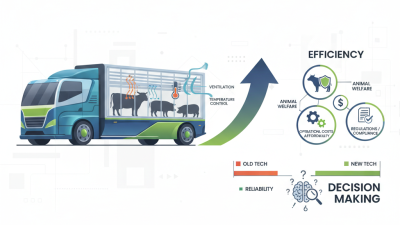
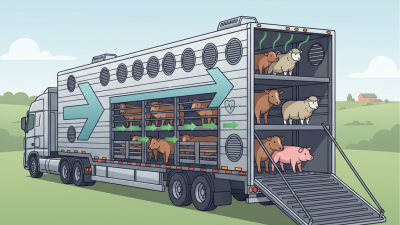
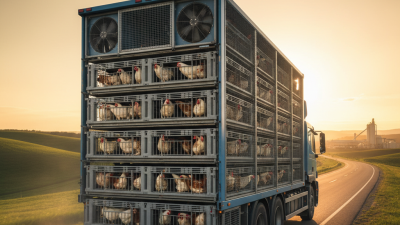
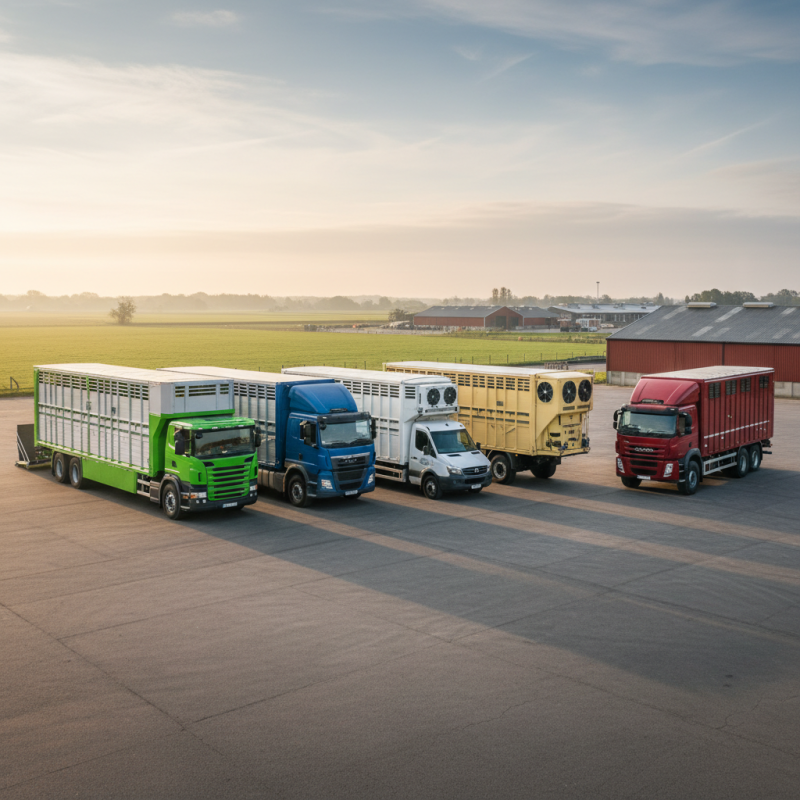
Livestock transport trucks are essential in modern farming. These vehicles are designed to move animals safely and efficiently. They come in various sizes and configurations, catering to the needs of different farms. The construction often includes ventilation systems to ensure animal comfort. A good design minimizes stress during transit, promoting animal welfare.
Choosing the right truck can be challenging. Farmers must consider their specific needs. For instance, the type of livestock being transported and the distance of travel impact the decision. Trucks should be easy to load and unload. Some features, like non-slip floors, enhance safety during movement. Having the right tools for transport increases farming efficiency but can be costly.
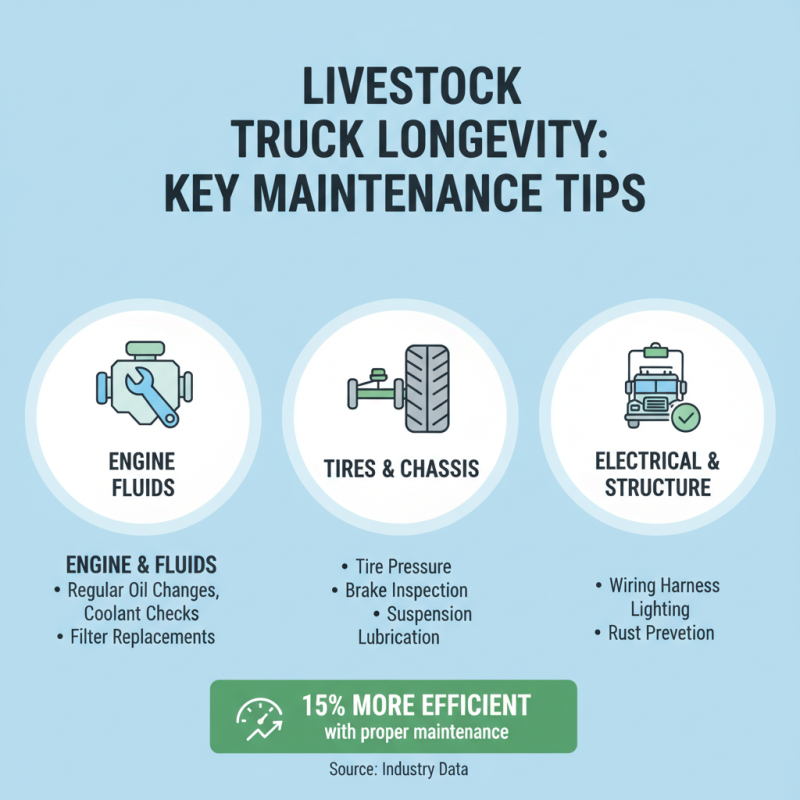
Regular maintenance of these trucks is crucial. Neglecting this can lead to breakdowns and safety risks. Scheduled inspections are vital for operational reliability. Even with the best planning, unexpected issues may arise. Farmers must be prepared to handle these situations. Reflection on past transport experiences can lead to better choices in the future.
Key Features to Look for in Efficient Livestock Transport Trucks
When selecting livestock transport trucks, several key features can enhance your farming efficiency. Durability is essential. Trucks must withstand rough terrains and heavy loads. Look for robust materials that resist wear and tear.
Another factor is ventilation. Proper airflow keeps animals comfortable during transit. A well-designed truck will have vents or slats to allow fresh air circulation. This reduces heat stress and promotes animal welfare.
Size matters. Choose a vehicle that accommodates your herd size without overcrowding. Underestimating space can lead to stress for the animals. Consider adjustable partitions for flexibility, especially if your livestock types vary.
Tips: Regular maintenance is crucial for long-term performance. Check brakes and tires frequently to ensure safety. Keeping your truck clean prevents disease spread among animals.
Examine the suspension system, too. A well-designed system absorbs road shocks, providing a smoother ride. Poor suspension affects the animals' comfort and can cause health issues.
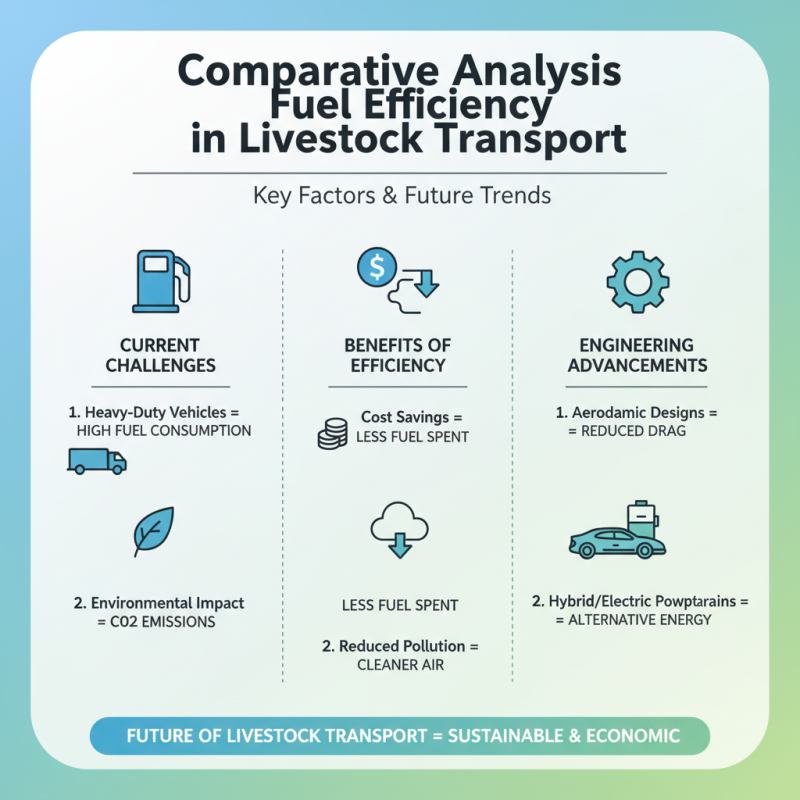
Finally, consider fuel efficiency. An efficient truck saves costs in the long run. This is particularly vital for large farms that require frequent transportation. Strive for a balance between power and economy.
Top 5 Best Livestock Transport Trucks for Efficient Farming Solutions
This chart represents the key features to consider when selecting the best livestock transport trucks for efficient farming. The data reflects the importance level rated from 1 to 10 based on industry feedback.
Top 5 Recommended Livestock Transport Trucks for Farmers
Transporting livestock efficiently is crucial for modern farming. Farmers need vehicles that offer safety and comfort for animals. A recent study highlighted that well-designed livestock trucks can reduce stress levels in animals during transport, which is essential for meat quality. Livestock trucks equipped with proper ventilation and shock absorption systems are vital for ensuring animal welfare.
One important aspect is the capacity of the truck. Farmers often struggle with trucks that are too small, leading to overcrowding. Research indicates that overcrowded trucks can reduce weight gain and affect animal health. On the other hand, trucks with adjustable partitions can optimize space. The right design can improve load distribution, which helps with fuel efficiency and stability during transportation.
Moreover, compliance with safety regulations is paramount. Many farmers overlook this detail. Trucks need to meet specific industry standards to avoid penalties. Utilizing vehicles built with durable materials ensures longevity and reliability. Farmers who invest in these trucks can expect to see a return on investment through better herd health and increased productivity. Prioritizing quality in livestock transport is not just about the present; it lays the groundwork for future farming success.
Top 5 Best Livestock Transport Trucks for Efficient Farming Solutions
| Model |
Cargo Capacity (lbs) |
Fuel Type |
Average Mileage (mpg) |
Price ($) |
| Heavy Duty Truck A |
15,000 |
Diesel |
10 |
50,000 |
| Standard Livestock Truck B |
12,000 |
Gasoline |
15 |
35,000 |
| Compact Transporter C |
8,000 |
Diesel |
12 |
30,000 |
| Versatile Truck D |
10,000 |
Gasoline |
14 |
40,000 |
| Premium Transport Truck E |
18,000 |
Diesel |
9 |
65,000 |