Top 10 Bulk Feed Transport Vehicles for Global Buyers?
In the ever-evolving world of agriculture, transporting bulk feed efficiently is crucial. A reliable Bulk Feed Transport Vehicle can significantly impact productivity. With various options available, buyers often find themselves overwhelmed. This guide aims to simplify the selection process by outlining the top ten vehicles dedicated to bulk feed transportation.
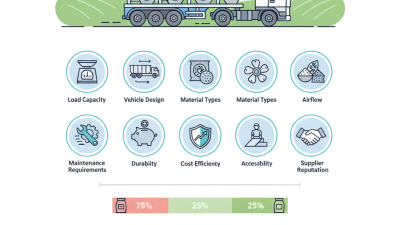
Choosing the right Bulk Feed Transport Vehicle involves understanding your specific needs. Factors like capacity, durability, and ease of maintenance are key considerations. Each vehicle on the list has its unique features worth exploring. However, some vehicles may fall short in certain areas, prompting a need for careful evaluation.
Navigating the nuances of bulk feed transport can be complex. Buyers must weigh their options, considering both the short- and long-term implications of their choices. While one vehicle might excel in one aspect, it may not meet all requirements. This checklist aims to provide a comprehensive look at the top contenders, ensuring informed decisions for global buyers.
Overview of Bulk Feed Transport Vehicles
In the global feed transport sector, bulk feed vehicles are essential for efficient distribution. These vehicles are designed to handle large quantities of feed for livestock and aquaculture. According to industry reports, the demand for bulk transport solutions has increased by 15% in recent years due to a rise in animal farming practices worldwide.
Modern bulk feed transport vehicles come in various designs, including pneumatic trailers and auger systems. Each type has unique features that cater to specific needs. For instance, pneumatic trailers are popular for their ability to move powdered and granulated feeds without damage. Meanwhile, auger systems are favored for their speed and efficiency in loading and unloading.
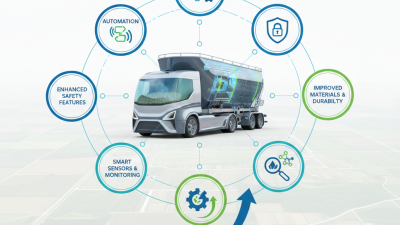
Tips: When selecting a bulk feed vehicle, consider the type of feed you will transport. Ensure that the vehicle can handle the specific properties of your feed. Additionally, look for vehicles equipped with advanced monitoring systems. It enhances tracking and ensures feed quality during transit.
Potential challenges exist in optimizing transport routes and vehicle maintenance. Regular checks can prevent breakdowns and delays. Research shows that timely maintenance reduces transport costs by up to 20%. The right choice of vehicle, combined with strategic planning, can lead to significant efficiency improvements in bulk feed logistics.
Top 10 Bulk Feed Transport Vehicles Overview
Key Specifications for Transporting Bulk Feed
When transporting bulk feed, several key specifications must be considered to optimize efficiency and safety. The payload capacity is paramount. Generally, vehicles can carry anywhere from 10 to 30 tons. For instance, an average truck designed for bulk feed typically offers a capacity of 12 to 15 tons, ideal for meeting the demands of the agricultural sector.
Vehicle dimensions also play a crucial role. Width and height should comply with standard regulations to ensure road safety. A height above 4.5 meters may lead to complications in urban areas. Furthermore, payload distribution is vital. Uneven weight can affect stability, leading to unsafe driving conditions. Precise loading practices are critical to achieving balance and preventing accidents.
The choice of materials in vehicle design impacts durability and maintenance. Corrosion-resistant coatings can extend the vehicle’s lifespan, yet they might come with higher initial costs. Regular inspections and maintenance schedules are often overlooked. Reports indicate that up to 30% of transport delays stem from mechanical failures that could have been prevented with routine checks. Adhering to these specifications ensures not only operational efficacy but also the safety of transport personnel and other road users.
Top 10 Bulk Feed Transport Vehicles and Their Features
When selecting bulk feed transport vehicles, understanding their features is essential. These vehicles can vary greatly in design and functionality. Some common types include hopper trucks, tanker trailers, and bulk feed wagons. Each type serves a unique purpose, impacting efficiency and cost. Hopper trucks are popular for their ease of unloading. They typically feature an open top and discharge bulk materials quickly.
Tanker trailers, on the other hand, offer a liquid transport solution. These vehicles often have specialized pumps and insulation for temperature control. Their design helps maintain feed quality over long distances. Bulk feed wagons are versatile and often used on farms. They usually come with extendable augers or conveyors for precise discharge.
While there are many options, selecting the right vehicle requires careful consideration. Factors such as load capacity and travel distance must be evaluated. Different terrains can also affect vehicle choice. Often, buyers overlook maintenance needs. Regular inspections ensure a vehicle's longevity and efficiency. Selecting a bulk feed transport vehicle involves striking a balance between cost, capacity, and reliability.
Comparative Analysis of Vehicle Performance and Efficiency
When considering bulk feed transport vehicles, performance and efficiency are critical. The right vehicle reduces operational costs and improves delivery speed. For global buyers, assessing vehicle specifications helps in making informed choices. Each vehicle’s load capacity, fuel efficiency, and maintenance requirements vary. Understanding these differences is vital for optimizing logistics.
Fuel efficiency is often touted but requires scrutiny. Some vehicles may advertise high mileage but perform poorly under full loads. Real-world testing often reveals discrepancies. Moreover, maintenance practices impact overall efficiency. Regular upkeep minimizes breakdowns, yet many overlook this aspect. A vehicle that appears efficient on paper may not deliver in practice.
Comparing powertrains is essential. Diesel engines typically offer more torque, which is beneficial for heavy loads. However, electric options are gaining traction in sustainable practices. These can provide quieter and cleaner transport solutions. Yet, charging infrastructure is still developing. Buyers must weigh these factors carefully. The climate and terrain also play a significant role in vehicle selection. Each environment presents unique challenges. Hence, flexibility in vehicle choice is key for addressing varying operational demands.
Best Practices for Selecting Bulk Feed Transport Solutions
When selecting bulk feed transport solutions, buyers should focus on efficiency and reliability. According to a report by the Global Feed Industry, transport efficiency can affect costs by up to 30%. Consideration of vehicle capacity is crucial; larger vehicles can reduce transport costs per ton. However, there's often a trade-off between capacity and maneuverability in various environments.
Speed is another vital factor. Studies show that delays in transport can lead to spoilage, negatively impacting margins. In regions with underdeveloped infrastructure, speed may be compromised. Buyers should examine vehicle durability. Inconsistent road conditions can lead to increased maintenance costs. Using vehicles built to withstand harsh conditions can minimize these expenses.
Fuel efficiency is essential for lowering operational costs. A report from the Transportation Research Board indicates that every 10% improvement in fuel economy can cut costs significantly. However, advanced technologies might require a higher initial investment. Choosing the right balance between upfront cost and long-term savings can be challenging. Evaluating total cost of ownership rather than just purchase price might lead to more informed decisions.