How to Choose the Right Bulk Feed Transport Vehicle for Your Needs?
Choosing the right Bulk Feed Transport Vehicle is crucial for agricultural efficiency. According to John Miller, a leading expert in bulk transport logistics, “The right vehicle can significantly enhance productivity and reduce costs.” With various options available, decisions can be overwhelming. Factors such as capacity, terrain adaptability, and unloading mechanisms must be considered.
Selecting the perfect Bulk Feed Transport Vehicle involves understanding your specific needs. For instance, larger farms may require vehicles with higher capacities. Smaller operations might benefit from compact models that are easier to maneuver. Additionally, climate and road conditions can affect vehicle performance. Options exist, but not all are suitable for every scenario.
It’s important to reflect on your operations and goals. Assess your average feed transport distances and frequency of use. Mistakes made in vehicle selection can lead to inefficient operations. Take time to evaluate and consult professionals to ensure that your choice aligns with your farm's demands.

Understanding Different Types of Bulk Feed Transport Vehicles
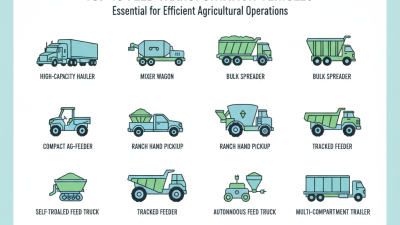
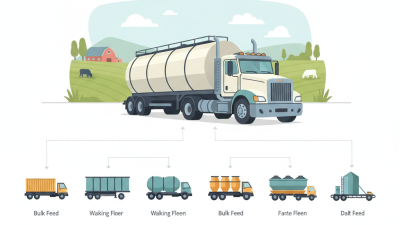
When selecting a bulk feed transport vehicle, understanding the types available is crucial. There are several types designed for specific feed materials. Pneumatic tanks are popular for transporting dry feeds. They use air pressure to move the feed, ensuring smooth delivery. This type is often lightweight, enhancing fuel efficiency. However, the initial investment can be high, which may not suit all budgets.
Another common option is grain trailers. These are versatile and can transport various feed types. Grain trailers provide ease of loading and unloading. They often feature robust construction, but their size can limit maneuverability in tight spaces. Flatbeds are yet another choice, ideal for bulk bags or pallets. While they are easy to load, they may require additional tarping for safety.
Choosing the right vehicle also involves reflection. Sometimes, local regulations affect options like dimensions and weight limits. Understanding these limitations can help avoid costly fines. It's essential to assess the specific needs of your operations carefully. The right vehicle should balance efficiency, capacity, and cost while adhering to regulations. Each option has its pros and cons that require thoughtful consideration.
Assessing Your Specific Transportation Needs and Requirements
Choosing the right bulk feed transport vehicle is crucial for effective operations. To assess your specific transportation needs, begin by analyzing the types of feed you'll be transporting. Different materials may require unique vehicle specifications. For instance, some feeds are sensitive to moisture. Consider options that offer good sealing capabilities.
Understanding your delivery routes is essential. Are they long-haul or short-distance? Different vehicles handle these routes differently. Long-haul trips may require more durable vehicles to withstand wear. Short-distance delivery might favor efficiency over durability.
**Tips:** Think about capacity. How much feed do you need to transport at once? Don't overlook vehicle maneuverability in tight spaces. Your selection should reflect both your operational scale and logistical challenges. Ultimately, take time to reflect on your delivery frequency. A more frequent schedule may necessitate different vehicle features than occasional deliveries.
Evaluating Vehicle Capacity and Load Limitations
When selecting a bulk feed transport vehicle, understanding capacity and load limitations is essential. Each vehicle type comes with unique specifications, influencing how much material it can carry. Knowing the maximum load is crucial for safe and efficient transport. Not all vehicles are appropriate for every job. Hence, evaluating your needs is vital.
Consider the weight of the feed to be transported. Different materials have varying densities. A vehicle that handles grain efficiently may not be suitable for heavier feed types. This mismatch can lead to overloads, risking safety and damaging the vehicle over time. Reflecting on past experiences can guide future decisions. It’s important to assess whether your current vehicle meets your evolving requirements.
Availability of spare parts for maintenance is often overlooked. A vehicle may seem perfect, but if repairs are complicated or costly, it may not be the best choice. Regular maintenance plays a key role in vehicle longevity and performance. Transporting feed requires reliability, and an underperforming vehicle can result in delays. Balancing flexibility with capability is necessary to avoid pitfalls.
Considering Transportation Regulations and Compliance Issues
When selecting a bulk feed transport vehicle, transportation regulations and compliance issues must be a priority. Each region has specific rules governing vehicle dimensions, weight limits, and payload capacities. It is critical to review local transport laws to ensure compliance. This avoids costly fines or operational delays that can arise from oversight.
Vehicle specifications should align with regulatory standards. For instance, certain regions may require specific safety features. These can include reflective markings and proper lighting. Compliance with such regulations also enhances road safety. Operators must frequently check for updates in legislation, as they can change.
Understanding your cargo is essential as well. Different types of feed may have distinct handling requirements. For example, some feeds might be moisture-sensitive. Evaluating storage conditions is invaluable for maintaining product quality. If unsure about regulations or compliance, consulting with industry experts can provide insight. Their expertise may prevent potential compliance pitfalls while ensuring your operations run smoothly.
How to Choose the Right Bulk Feed Transport Vehicle for Your Needs? - Considering Transportation Regulations and Compliance Issues
| Vehicle Type |
Capacity (Cubic Feet) |
Weight Limit (lbs) |
Fuel Efficiency (MPG) |
Compliance Considerations |
| Tanker Truck |
1,500 |
26,000 |
6 |
DOT regulations, Hazardous materials |
| Flatbed Truck |
1,200 |
24,000 |
8 |
Load securement standards |
| Dump Truck |
1,000 |
28,000 |
5 |
State-specific weight limits |
| Walking Floor Trailer |
1,400 |
25,000 |
6.5 |
Intermodal regulations |
| Reefer Truck |
1,300 |
22,000 |
7 |
Temperature control standards |
Budgeting for Purchase, Maintenance, and Operational Costs
When budgeting for a bulk feed transport vehicle, consider initial purchase costs carefully. Vehicles vary significantly in price depending on capacity and design. Evaluate what fits your operational needs within your budget. Maintenance costs will emerge as a recurring expense. Regular servicing is essential to keep the vehicle in good condition, preventing costly repairs down the line.
Operational costs also play a critical role. Fuel efficiency affects long-term sustainability, impacting your bottom line. Understanding your mileage and load can help you anticipate fuel needs. Additionally, insurance and permits add to overall spending.
Mistakes in estimating these costs can lead to financial strain. It's easy to overlook smaller expenses that accumulate over time. Take a step back to assess past expenditures and adjust your budget accordingly. Reflecting on these aspects can guide more informed decisions and ensure a smoother operation.