2026 How to Choose the Right Bulk Feed Transport Vehicle?
Choosing the right Bulk Feed Transport Vehicle is crucial for the efficiency of your operations. The right vehicle ensures timely delivery and maintains feed quality. With so many options available, making a decision can be challenging.
Consider factors like capacity, accessibility, and fuel efficiency. Each aspect affects not only productivity but also costs and environmental impact. Small details can make a significant difference. For example, a bulk feed transport vehicle with proper insulation can prevent spoilage, saving money over time.
However, not every choice is straightforward. Sometimes, features that seem beneficial may not suit your specific needs. Evaluating both the pros and cons is vital. Gathering insights from industry experts helps in making informed decisions. You must assess what works best for your operations while balancing budget constraints.
Understanding the Importance of Bulk Feed Transport Vehicles
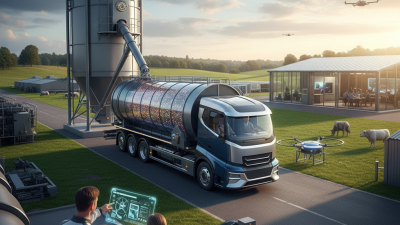
Bulk feed transport vehicles play a crucial role in the agricultural sector. They ensure the efficient delivery of feed from suppliers to farms. This transportation method helps maintain the nutritional quality of the feed. It’s essential to choose a vehicle built for the demands of bulk transport. Consideration of capacity, durability, and design is vital for effective transport.
Understanding the importance of these vehicles extends beyond simple logistics. The right bulk feed transport vehicle can significantly reduce costs and improve productivity. Farmers need vehicles that protect the feed quality during transit. Regular inspections and maintenance of these vehicles can lead to better performance. Observing operational patterns can help identify areas needing improvement.
However, not all vehicles are created equal. Challenges might include underestimating capacity needs or overlooking vehicle maintenance schedules. Investing in the wrong type might lead to inefficiencies. It’s essential to reflect on the unique needs of your operation. A well-chosen vehicle contributes to the overall sustainability of agricultural practices. Each decision impacts not only immediate operations but the long-term success of farming endeavors.
Factors to Consider When Selecting a Bulk Feed Transport Vehicle
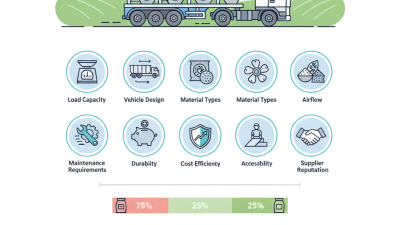
When selecting a bulk feed transport vehicle, several factors come into play. Capacity is crucial. A report by the American Trucking Association indicates that 75% of bulk transport operations optimize vehicle capacity to ensure cost-effectiveness. Choose a vehicle that balances weight and volume, taking into consideration the typical load size.
Material durability is another important factor. The feed industry faces stringent regulations regarding contamination. Vehicles constructed from stainless steel or food-grade materials are preferred. These options reduce risks tied to feed quality. A study shows that contamination can reduce feed efficiency by up to 15%.
Additionally, consider the vehicle's maneuverability. Not all routes are wide or straightforward. A compact yet sturdy vehicle can navigate tighter spaces effectively. However, larger capacity vehicles may struggle in such conditions. Evaluating route requirements against vehicle size is essential. Adaptability to different conditions can lead to more efficient operations. Balancing these variables requires careful thought and planning.
Types of Bulk Feed Transport Vehicles and Their Features
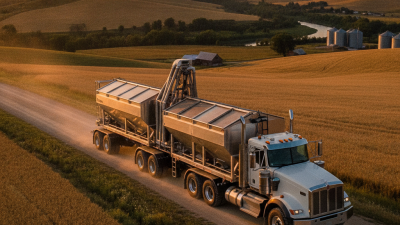
When selecting bulk feed transport vehicles, understanding the various types available is crucial. Different vehicle designs cater to specific feed types and logistic needs. For instance, pneumatic tankers are ideal for transporting dry feed. These vehicles are efficient and minimize feed degradation during transit. Their ability to handle large volumes makes them popular in the industry.
Another option is walking floor trailers. They offer flexibility in loading and unloading. According to industry reports, these trailers can increase efficiency by up to 30% during meal transfers. However, maintenance can be demanding, which requires careful consideration. It's essential to assess the operational cost versus the benefits.
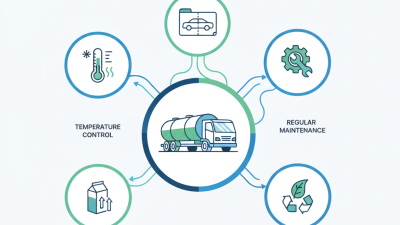
Lastly, specialized bulk feed trucks can be tailored for specific needs. They often come with features like temperature control and moisture protection. The investment in such vehicles can be significant. Yet, with proper management, they can enhance feed quality and reduce waste. Analyzing your transportation requirements against vehicle attributes is vital for making the right choice.
Types of Bulk Feed Transport Vehicles and Their Features
Assessing the Cost-effectiveness of Different Transport Options
Choosing the right bulk feed transport vehicle involves a careful assessment of cost-effectiveness. Different options exist, but each brings unique costs and benefits. Smaller trucks may be cheaper upfront, but larger vehicles can transport more load per trip, which reduces the cost per unit of feed transported. It’s essential to calculate the total cost of ownership, including maintenance and fuel expenses, over time.
Consider the route and frequency of transport. Shorter distances might favor smaller vehicles due to lower fuel consumption. However, frequent longer trips can justify investing in larger transport options for bulk orders. It is also wise to factor in operational downtime. A more reliable vehicle may have a higher initial cost, but it can save money in repairs and delays.
Researching alternative transport methods can also be valuable. Options like rail transport might seem daunting, yet they offer lower costs per ton for bulk goods. Reflecting on these choices can lead to better long-term decisions. While exploring various vehicles and methods, ensure you consider flexibility and future needs. Transporting bulk feed is an evolving challenge; maintaining an adaptable approach is key.
Maintenance and Safety Considerations for Bulk Feed Transport Vehicles
When choosing a bulk feed transport vehicle, maintenance and safety are critical. Regular checks help ensure safe operations. Inspect tires, brakes, and lights frequently. Worn parts can lead to accidents or breakdowns. A well-maintained vehicle enhances reliability, which is essential for transporting feed.
Driver training is also vital. Educating drivers about safe handling practices minimizes risks. Ensure they know how to secure loads properly. A loose load can shift during transport, creating hazards on the road. Regular safety drills can reinforce these critical skills.
Additionally, technology can play a role in safety. GPS tracking systems help monitor vehicle locations. They can provide alerts on performance issues in real time. However, relying solely on technology can be risky. Drivers should still trust their instincts and experience. Balancing technology and human insight creates a safer transport environment.