Why Choose the Right Grain Feed Transport Vehicle for Your Needs?
Choosing the right Grain Feed Transport Vehicle is crucial. It impacts your operations, costs, and efficiency. An appropriate vehicle can enhance your logistics. It ensures timely delivery of grain feed to farms and feed mills. Factors like load capacity and design matter. You need a vehicle that suits your specific requirements.
Quality is essential. A reliable Grain Feed Transport Vehicle minimizes breakdowns. It should handle various terrains and weather. Think about the long-term benefits of investing properly. An ideal choice can boost productivity. It may seem daunting, but understanding your needs simplifies the process. Evaluating options with a focus on key features helps.
Reflect on your past experiences. Have you faced delays due to inadequate transport? The right vehicle can prevent such issues. Consider safety and regulatory compliance as well. Aspects like durability contribute to overall reliability. Ultimately, a solid decision impacts your success. A well-chosen transport vehicle can be a game-changer in grain feed logistics.
Understanding the Importance of Grain Feed Transport Vehicles
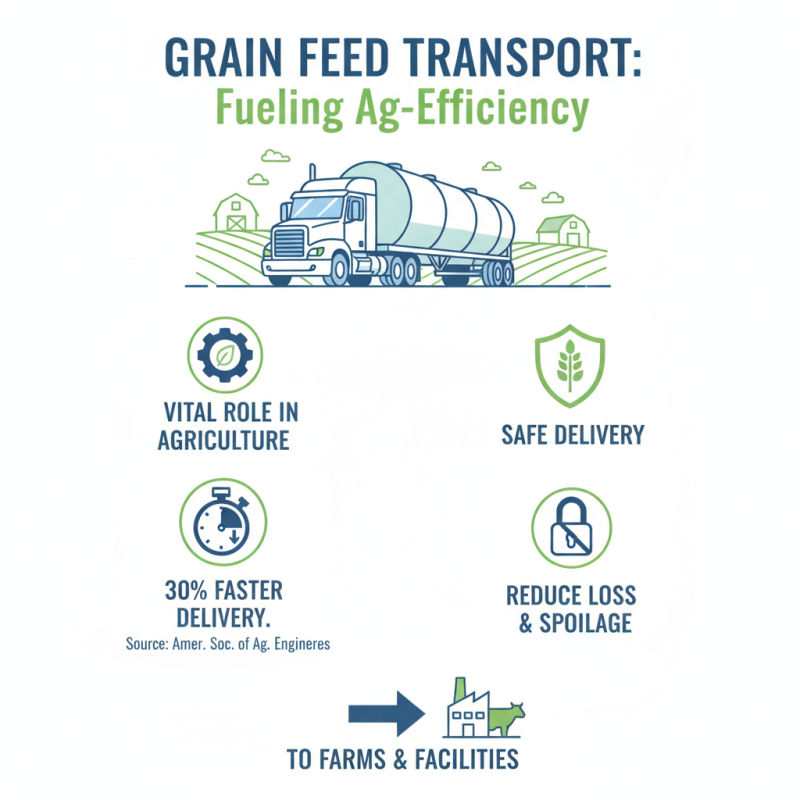
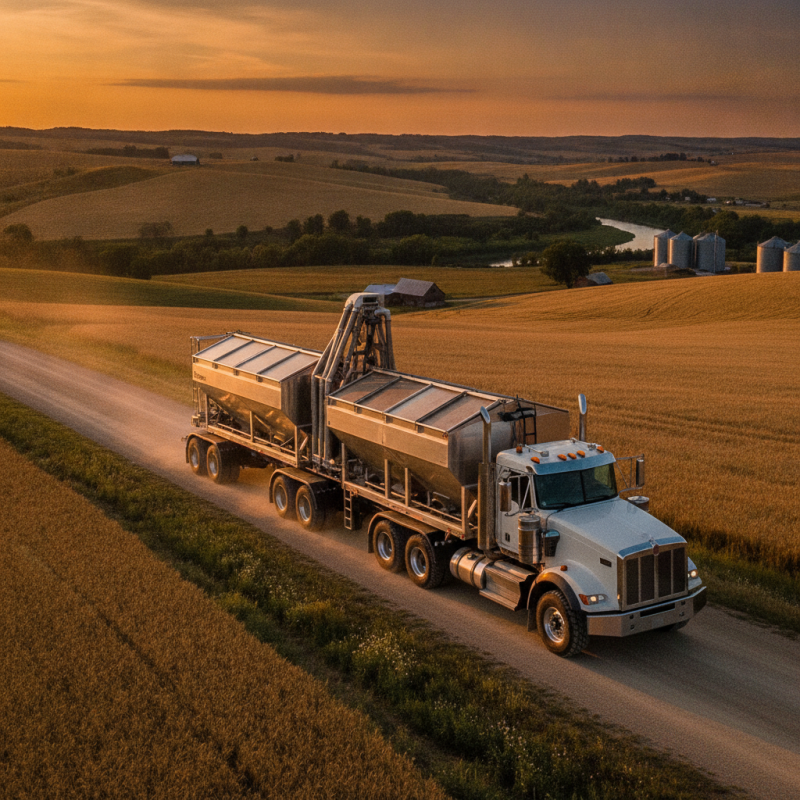
Grain feed transport vehicles play a vital role in agricultural efficiency. According to a report from the American Society of Agricultural and Biological Engineers, optimizing transport can reduce delivery times by 30%, affecting overall productivity. A vehicle designed for this specific task ensures that grains are safely delivered to livestock farms or processing facilities without loss or spoilage.
The right vehicle can prevent grain contamination. Research indicates that improper transport can increase contamination risks by up to 15%. Additionally, choosing vehicles with adjustable load capacities can cater to various operational needs. These features provide flexibility and ease in handling different grain types, ensuring better quality control during transportation.
Investing in quality transport vehicles also translates to long-term financial benefits. A study from the National Grain and Feed Association highlighted that companies that prioritize efficient transport systems saw a 10-20% decrease in operational costs. While the initial investment may seem daunting, the savings from reduced damage and spoilage can be significant. However, one must reflect on the maintenance aspects of these vehicles to ensure continued efficiency.
Types of Grain Feed Transport Vehicles Available in the Market
When selecting grain feed transport vehicles, understanding the types available is critical. Each type serves distinct needs that influence efficiency and costs. Common options include semi-trailers, bulk trucks, and pneumatic tanks. According to a recent market analysis, demand for bulk trucks is rising due to their capacity and adaptability. They can transport various feed types, making them suitable for diverse agricultural setups.
Pneumatic tankers offer a different advantage. They excel in transporting granular feed, minimizing material loss. Statistical reports indicate that these vehicles enhance delivery speed by up to 30%. This efficiency has attracted many operation managers looking to improve their logistics. However, these vehicles may require more maintenance and specialized operators, which can increase operational complexities.
Semi-trailers remain popular due to their versatility. They can be customized for different grain types. However, they may not offer the capacity that bulk trucks provide. In 2022, the industry noted that 60% of operations still leaned towards semi-trailers despite this drawback. This trend suggests a preference for flexibility over maximum capacity, indicating a need for tailored solutions in transport vehicle selection.
Factors to Consider When Choosing the Right Transport Vehicle
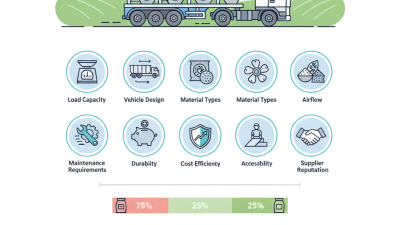
When selecting the right grain feed transport vehicle, several key factors must be evaluated.
Capacity is vital. A vehicle’s cargo capacity must align with your operational requirements.
Reports indicate that farmers often underestimate their transport needs, leading to inefficiencies.
For example, using a vehicle with a 10-ton capacity for a 20-ton load can result in multiple trips.
This not only increases fuel costs but also wastes valuable time.
Another critical consideration is vehicle durability. Grain transport can be harsh on vehicles, especially in rugged terrains.
The right choice can reduce maintenance costs. A study by the Agricultural Transport Association found that operators using high-durability vehicles reported
30% fewer breakdowns. Customization options also play a role. Vehicles equipped for specific needs, such as unloading and storage features, enhance efficiency.
Safety cannot be overlooked. Proper vehicle design reduces risks during transport.
An analysis of transport incidents highlighted that 70% were linked to inadequate vehicle features.
Prioritizing these factors when choosing a transport vehicle can lead to better decision-making.
Reflecting on personal experiences is key. Have you ever faced delays due to your vehicle choice?
Consider those lessons carefully.
Assessing the Economic Benefits of Efficient Transport Solutions
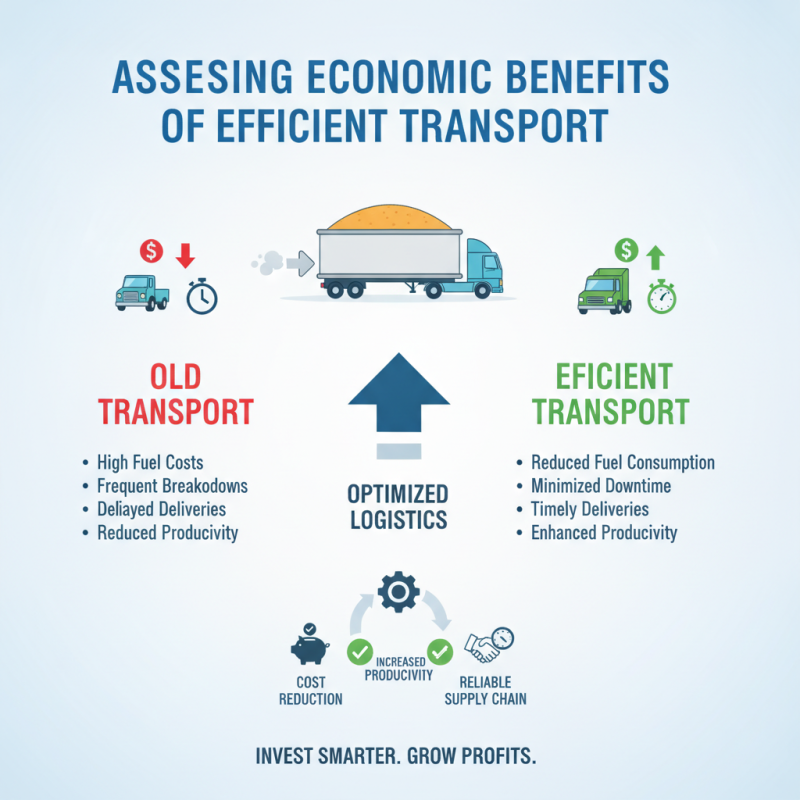
Choosing the right grain feed transport vehicle is crucial for optimizing logistics. Efficient transport solutions can significantly reduce costs. An effective vehicle minimizes delays and enhances productivity. Trustworthy transport options ensure timely delivery of essential feed. Investing in the right transport is not just about the initial costs.
Economic benefits extend beyond fuel savings. A well-chosen vehicle can lower maintenance expenses. It can offer increased payload capacity, reducing trips and saving time. Such vehicles often provide greater durability, which translates to fewer breakdowns. Effective logistics can lead to higher profits over time.
However, businesses must evaluate individual needs carefully. Each operation is unique and has specific requirements. What works for one may not suit another. Assessment of factors such as distance, load size, and terrain is essential. Over time, mistakes in vehicle selection can lead to inefficiencies. Reflecting on past choices can guide future decisions. A thoughtful approach to transport could enable substantial savings in the long run.
Maintenance and Safety Tips for Grain Feed Transport Vehicles
Maintaining grain feed transport vehicles is crucial for operational safety and efficiency.
Regular inspections help identify wear and tear early on. Check tire pressure and tread regularly.
Ensure that brakes function properly. A vehicle with faulty brakes can lead to accidents. Ignoring these aspects can compromise both safety and performance.
Cleaning the vehicle after each use is essential. Residue can build up in hard-to-reach corners, promoting mold growth.
This not only impacts the vehicle but can also contaminate the grain. A thorough wash avoids future issues. Furthermore, lubricate moving parts to reduce friction.
This simple task extends the vehicle's lifespan significantly.
Safety gear like reflective vests is essential during loading and unloading. Proper training for staff can prevent injuries.
Employees should know how to operate the vehicle safely. Consider regular
safety drills to ensure preparedness.
Relying solely on procedures may overlook real-life situations that require
quick thinking.
These practices enhance overall safety and operational efficiency. Remember,
proactive measures lead to better long-term outcomes.