How to Choose the Right Bulk Feed Truck for Your Business?
Choosing the right bulk feed truck is crucial for any agribusiness. An expert in the industry, Dr. Mike Anderson, states, "Investing in the right equipment can enhance operational efficiency." With numerous options available, making a choice can be overwhelming.
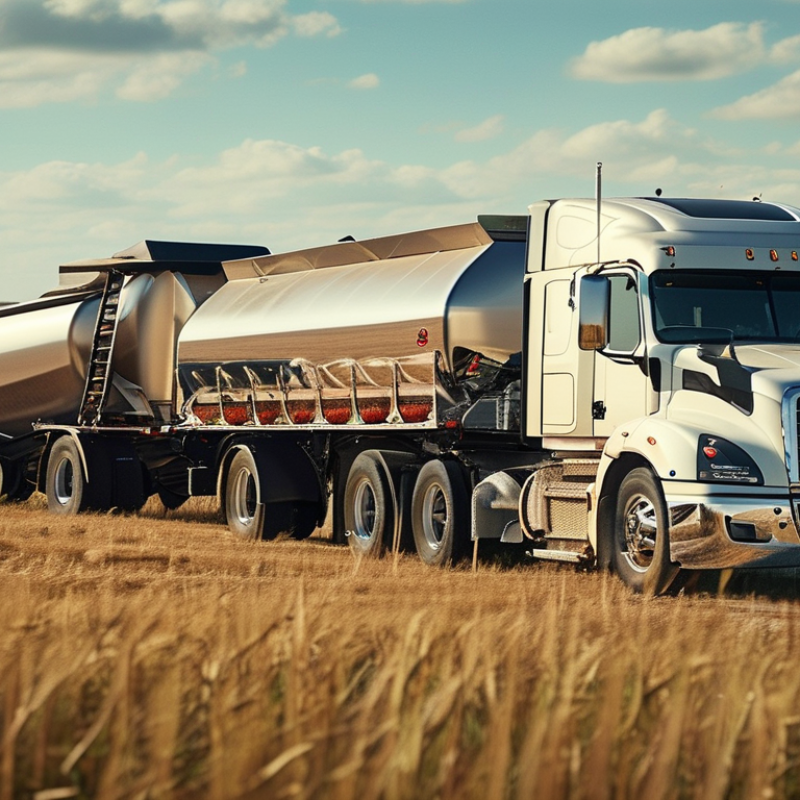
When selecting a bulk feed truck, consider its capacity. The right size affects delivery times and feed quality. Additionally, evaluate the truck's features, such as unloading mechanisms and insulation. These details can impact your day-to-day operations.
It’s easy to get caught up in flashy models. However, focusing on durability and reliability is more important. Not all trucks handle rough terrains well. Reflecting on your specific needs will help guide your decision in this complex marketplace. The perfect bulk feed truck should align with your operational demands while minimizing costs.
Understanding Your Business Needs for Bulk Feed Transportation
When selecting the right bulk feed truck, understanding your business needs is crucial. In 2021, the American Feed Industry Association reported that the bulk feed transportation sector accounted for approximately 15% of total feed production costs. Understanding this cost is essential for planning. Selecting a truck that maximizes efficiency can save significant amounts during transportation.
Evaluate the type of feed you are transporting. Different feeds have varying densities and moisture levels. For example, transporting pelleted feed versus powdered feed may require different truck configurations. A study from the National Grain and Feed Association highlighted that up to 2% feed loss can occur if trucks aren't properly equipped for the feed type. The right truck reduces spoilage and enhances delivery reliability.
Think about your delivery routes as well. If your operation encompasses rural areas, you might need trucks with better off-road capabilities. Consider any local regulations regarding vehicle specifications. Trucks that do not meet these standards can lead to delays and penalties. It's a complex landscape. Delving into the right specifications tailored to your needs will ensure a smoother operation.
Evaluating Different Types of Bulk Feed Trucks Available
Choosing the right bulk feed truck involves evaluating various types available in the market. Each design serves different needs. You can find trucks specifically made for transporting dry or liquid feeds. Understanding the unique requirements of your business can help narrow down your options.
When considering the right bulk feed truck, think about the size. A larger truck might save money on fuel per ton, but it requires more space for maneuvering. Smaller trucks can be easier to load and unload, which may enhance efficiency. Think about your delivery routes and the scale of your operations when evaluating size.
Think about the unloading method as well. Some trucks use a pneumatic system, while others might rely on gravity. Each method has its benefits and drawbacks, depending on the type of feed and the terrain you'll encounter. Reflect on how often you will need to unload and the types of facilities you will work with. Pay attention to maintenance as well. Older trucks may be cheaper but will likely require more frequent repairs.
How to Choose the Right Bulk Feed Truck for Your Business?
| Type of Bulk Feed Truck |
Capacity (Tons) |
Maintenance Level |
Cost (USD) |
Best Use Case |
| Standard Bulk Feed Truck |
10-20 |
Medium |
$50,000 |
Farm deliveries |
| High Capacity Bulk Feed Truck |
20-30 |
High |
$75,000 |
Large scale operations |
| Compact Bulk Feed Truck |
5-10 |
Low |
$30,000 |
Small farm deliveries |
| Customized Bulk Feed Truck |
15-25 |
Variable |
$100,000 |
Specialized needs |
| Bulk Feed Truck with Auger |
10-15 |
Medium |
$60,000 |
Efficient feed distribution |
Key Specifications to Consider in Bulk Feed Trucks
When selecting a bulk feed truck, key specifications play a vital role in ensuring efficiency and reliability. One primary consideration is the truck's capacity. Most bulk feed trucks can carry between 500 to 1,500 bushels. A truck with the wrong capacity could lead to multiple trips, affecting operational efficiency. According to a report by the USDA, optimizing capacity can increase transport efficiency by up to 25%. This statistic underscores the need to assess the volume that aligns with your business's needs.
Another essential factor is the unloading system, which usually consists of pneumatic or auger systems. Pneumatic systems are better for speed and reduce spillage, but they can be costlier to maintain. On the other hand, auger systems tend to be more reliable but can be slower. The choice depends on your operational priorities. A National Grain and Feed Association study found that 60% of businesses prefer reliability over speed. This shift highlights the importance of evaluating how these systems fit into your workflow.
Durability is equally critical, often determined by the materials used in construction. Trucks made with high-strength steel last longer under rigorous conditions. A comprehensive review of industry standards shows that trucks built with quality materials can handle over 10 years of heavy use. It is crucial to contemplate not just initial costs but also long-term investment, as lower-quality options may lead to more frequent repairs. Finding a balance between cost and durability can significantly impact your bottom line.
Key Specifications to Consider in Bulk Feed Trucks
Cost Analysis: Budgeting for Bulk Feed Truck Acquisition
Acquiring a bulk feed truck is a significant investment. It's essential to analyze your budget carefully. Begin by assessing your business's specific needs. Consider factors such as capacity, frequency of use, and terrain. Not every truck fits every operation. Some businesses may require a larger truck for increased volume, while others can succeed with a smaller model.
A detailed cost analysis is crucial. The initial purchase price is just one factor. You must also account for maintenance, fuel efficiency, and insurance costs. Often neglected, these ongoing expenses can burden your budget over time. Do not overlook the potential need for modifications. Customizing a truck can increase its efficiency but also add to your overall costs.
Evaluate financing options, too. Leasing might be a good choice for some. It often requires a lower upfront investment and offers flexibility. However, owning the truck offers long-term control over your assets. Review your cash flow carefully. A balanced approach ensures you can afford maintenance and operation costs without straining your finances.
Maintenance and Support for Your Bulk Feed Truck Selection
When selecting a bulk feed truck, maintenance and support are crucial. Regular upkeep ensures optimal performance. According to industry reports, proper maintenance can extend a truck's lifespan by 25%. Scheduled servicing helps prevent unexpected breakdowns. This is particularly important for businesses with tight delivery schedules.
Ensure your chosen model has accessible parts. This supports quicker repairs and minimizes downtime. A truck that is easy to maintain can significantly decrease operational costs. Data reveals that average repair costs can escalate by 30% if parts are hard to find. Furthermore, consider the availability of technical support. Companies with robust support systems tend to report higher satisfaction rates among users.
Training your staff on maintenance practices is also vital. Well-trained personnel can identify issues early, ultimately saving time and money. Regular training sessions can enhance your team’s proficiency. Risks of neglect can lead to costly repairs. Overlooking small problems can snowball into major breakdowns. Implementing a structured maintenance program is advisable for long-term success in bulk feed operations.