Why Choose Layer Egg Equipment for Your Poultry Farm?
In the rapidly evolving poultry industry, the choice of equipment can significantly impact farm productivity. Dr. John Smith, a leading expert in poultry farming technologies, emphasizes, “Investing in quality Layer Egg Equipment transforms your operation.” This statement resonates deeply with modern poultry farmers who face increasing demands for efficiency and egg quality.
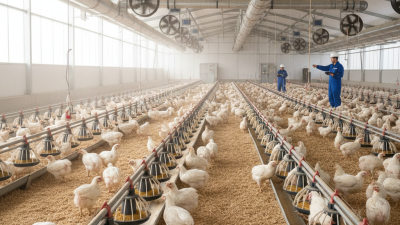
Layer Egg Equipment is designed to meet the complex needs of commercial egg production. These systems automate processes, reduce labor costs, and enhance biosecurity. However, not all equipment is created equal. Farmers must carefully assess their specific needs and the compatibility of the equipment with their existing operations. Some may find that what works well for one farm may not be a perfect fit for another.
Quality Layer Egg Equipment offers a competitive advantage in today's market. However, it can require a significant upfront investment, leading some to hesitate. It’s essential to weigh the long-term benefits against initial costs. This investment can yield high returns through improved egg production rates and lower operational risks. In this dynamic industry, reflecting on equipment choices is vital for sustained success.
Benefits of Layer Egg Equipment for Enhanced Production Efficiency
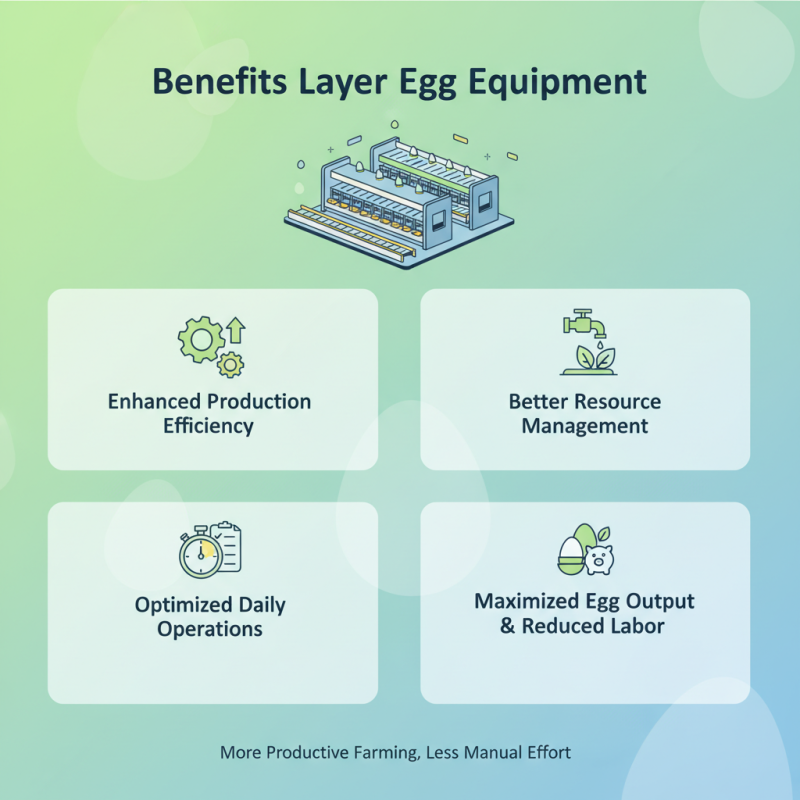
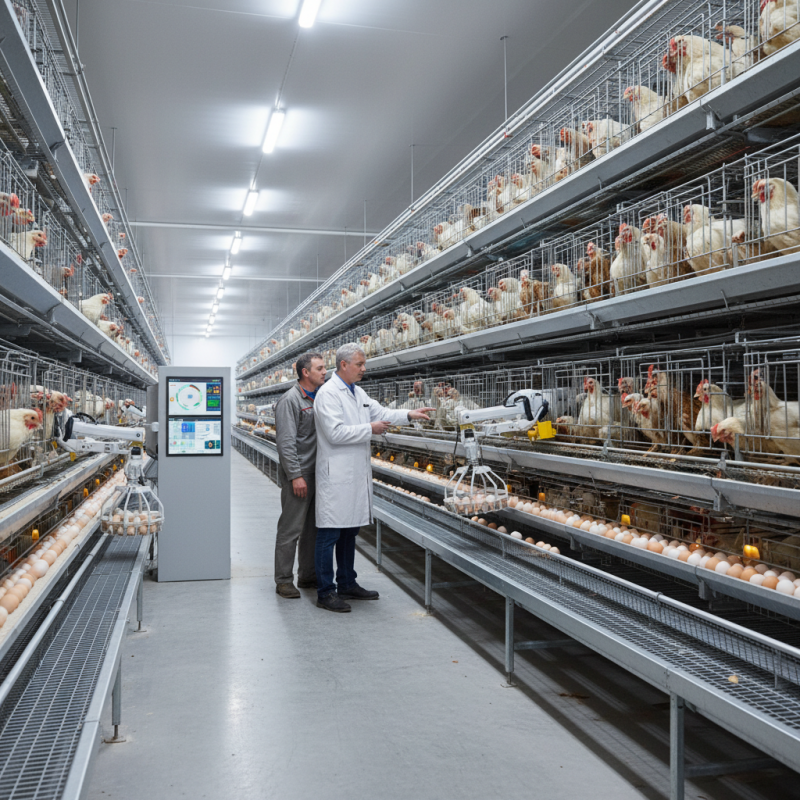
Layer egg equipment is essential for modern poultry farms. It significantly enhances production efficiency and optimizes daily operations. Using automated systems, farmers can streamline their processes, ensuring better management of resources. This equipment minimizes labor costs while maximizing egg output. The result is a more productive farm with less manual effort.
Proper installation and regular maintenance are crucial. Neglecting any part of the system can lead to inefficiencies. It's essential to perform routine checks and handle minor issues before they escalate. Addressing concerns early ensures the equipment operates smoothly.
Tips for success: Monitor egg production regularly. This helps identify any sudden drops in output. Additionally, ensure that all components are compatible with each other to prevent operational hiccups. Investing in quality layer egg equipment is a step towards sustainable poultry farming.
Key Features of Modern Layer Egg Equipment for Poultry Farms
Modern layer egg equipment is vital for efficient poultry farming. With the poultry industry growing, utilizing advanced systems can greatly boost production. According to a report by the Food and Agriculture Organization (FAO), global egg production reached approximately 76 million tons in 2020, highlighting the demand for effective farming solutions.
Key features of modern layer egg equipment include automated feeding and watering systems. These systems save time and ensure consistent supply. Data from the International Egg Commission indicates that automation can increase egg yield by up to 10%. However, implementing these technologies is not without challenges. Farmers must invest in training to handle new equipment and manage potential failures.
Ventilation and climate control are also essential in layer farming. Proper airflow helps maintain poultry health and egg quality. Yet, many farms overlook their climate control systems. This oversight can lead to decreased production. A study by the Poultry Science Association indicates that poor environmental conditions can reduce egg production rates by 20% or more. Investing in high-quality equipment is essential for sustainable growth in this competitive market.
Comparison of Layer Egg Systems vs. Traditional Poultry Farming Methods
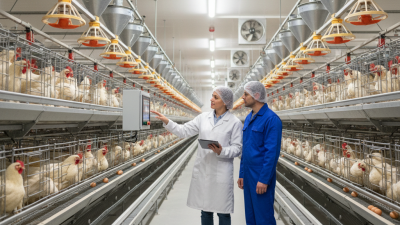
In recent years, layer egg systems have gained traction among poultry farmers. Unlike traditional methods, which often require significant manual labor, modern layer egg equipment automates many processes. This can lead to increased efficiency and lower operational costs. Automated feeding, watering, and egg collection systems minimize the need for constant human intervention.
Traditional farming methods often face challenges such as inconsistent egg production and higher rates of disease. Without modern technology, farmers rely heavily on their experience to manage flocks. This unpredictability can result in financial strain. Layer egg systems, however, offer data-driven insights that help farmers make informed decisions. This can lead to more stable production rates.
Adapting to layer egg systems may not be without its challenges. Initial costs can be daunting for some farmers. Learning to operate new equipment requires time and effort. It's crucial to weigh these factors before switching from traditional methods. Some farmers might find it difficult to let go of familiar practices. The transition process demands patience and willingness to embrace innovation for long-term benefits.
Economic Impacts of Investing in Layer Egg Equipment
Investing in layer egg equipment can significantly enhance the economic viability of a poultry farm. Efficient machinery helps reduce labor costs. It automates processes like feeding and egg collection, allowing farmers to focus on other important tasks. Over time, these savings can accumulate, improving profit margins.
However, the initial investment can be daunting. Farmers need to evaluate their financial situation before making a decision. The long-term benefits often offset the upfront costs, but it's essential to assess cash flow and potential risks. Seeking advice from experienced farmers can provide valuable insights.
Quality equipment also minimizes wastage and maximizes production. Eggs are collected gently, preserving their quality and reducing breakage. This attention to detail boosts customer satisfaction and enhances market competitiveness. Still, farmers must continually monitor performance. Equipment maintenance is crucial for consistent results and cost efficiency.
Why Choose Layer Egg Equipment for Your Poultry Farm? - Economic Impacts of Investing in Layer Egg Equipment
| Investment Type |
Initial Cost (USD) |
Annual Maintenance Cost (USD) |
Expected Lifespan (Years) |
Projected Annual Profit (USD) |
Return on Investment (%) |
| Automated Layer Cages |
$50,000 |
$3,000 |
15 |
$20,000 |
34% |
| Conventional Cages |
$30,000 |
$2,000 |
10 |
$12,000 |
40% |
| Free-Range Systems |
$75,000 |
$5,000 |
20 |
$25,000 |
33% |
| Enriched Cages |
$60,000 |
$4,000 |
12 |
$22,000 |
36% |
Sustainability and Animal Welfare in Layer Egg Production Systems
Layer egg production is evolving. Sustainability and animal welfare are at the forefront of this transformation. Using layer egg equipment can enhance these critical aspects. Modern systems offer improved housing conditions for hens. They provide better ventilation and lighting. These features contribute to healthier animals and higher egg production.
Animal welfare goes beyond just physical comfort. Ensuring proper nutrition is equally important. Layer equipment often includes automated feed systems. These systems help deliver the right nutrients consistently. However, not all systems prioritize welfare equally. Farms must choose the right equipment carefully, considering both performance and the animals’ needs.
Sustainability practices are also crucial. Layer farms can reduce their carbon footprint with efficient waste management. Composting eggshells and manure returns nutrients to the soil. It's a closed loop that benefits the farm and environment. Nonetheless, implementing these practices can pose challenges. Farmers often need to invest in training and technology. Balancing sustainability with profitability remains a complex issue.