Top Poultry Transport Vehicle Options for Efficient Delivery?
Transporting poultry efficiently is vital for the industry. According to Dr. Sarah Williams, an expert in poultry logistics, “The right poultry transport vehicle defines the quality delivered.” This highlights the importance of selecting vehicles that maintain temperature, reduce stress, and ensure safety.
When choosing a poultry transport vehicle, factors like ventilation and space are crucial. Vehicles must provide adequate airflow. Adequate space will reduce stress during long hauls. Nevertheless, some vehicles may not meet all standards. This makes the selection process complex but vital for successful delivery.
While various options exist, not all are created equal. Some vehicles can lead to high mortality rates if poorly designed. The poultry industry requires reliable solutions that enhance efficiency. Thus, evaluating all available options is essential to ensure the best outcomes in poultry delivery.
Importance of Efficient Poultry Transport in the Industry
Efficient poultry transport is crucial in today’s food industry. It ensures the freshness and safety of products from farms to consumers. The transport method can impact the quality of poultry. Any delays or issues can lead to spoilage, affecting both profits and reputation. Proper vehicle options can minimize these risks.
Monitoring temperature and airflow is vital during transport. Vehicles equipped with climate control can maintain optimal conditions for poultry. This is essential, as high temperatures can lead to stress and poorer quality meat. Many businesses still overlook this aspect. Implementing better temperature management can yield higher satisfaction.
Choosing the right transport vehicle also involves considering space and loading efficiency. A well-designed truck maximizes cargo capacity while ensuring animal welfare. However, some companies struggle to find the balance. They may invest in larger vehicles without considering their operational costs. Reviewing logistics regularly can highlight inefficiencies and improve practices. Effective poultry transport requires continuous assessment and adaptation to meet industry demands.
Key Features of Ideal Poultry Transport Vehicles
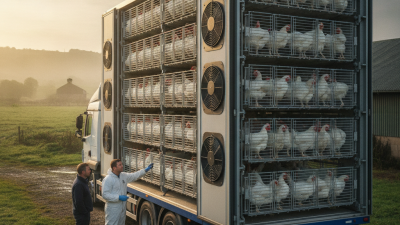
When it comes to poultry transport vehicles, several key features define their effectiveness. A robust ventilation system is crucial. It ensures that birds receive fresh air during transit, especially on hot days. Proper airflow minimizes stress and improves animal welfare. Inadequate ventilation can lead to suffocation. That’s a risk serious transporters cannot afford.
Another important aspect is the vehicle’s insulation. This helps maintain a stable temperature. If the external environment is too hot or cold, temperature extremes can stress the animals. Insulated cabins can protect poultry from these risks. Additionally, non-slip flooring plays a vital role. It prevents birds from slipping and getting injured during movement. Slippery surfaces are a common hazard that can harm the animals.
Monitoring systems should not be overlooked. Real-time data about temperature and humidity can alert drivers to potential issues. Yet, many vehicles still lack these technologies. There’s room for improvement across the industry. Addressing these gaps can lead to better poultry welfare and more efficient deliveries.
Types of Vehicles Suitable for Poultry Transport
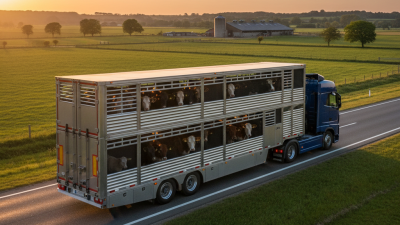
When it comes to poultry transport, selecting the right vehicle is crucial for maintaining the health and safety of the birds. Various options exist, each tailored to meet specific needs in the poultry industry. A common choice is specialized poultry trucks equipped with climate control systems. According to industry reports, a controlled environment can reduce stress levels in birds by up to 30%. These vehicles can also carry different types of poultry, making them versatile.
Another viable option is modular transport containers, which can be loaded onto standard trucks. These containers can hold a sizable quantity while ensuring adequate ventilation. Studies show that proper air circulation can significantly lower the risk of heat stress, especially during summer months. Moreover, such containers are easier to clean and sanitize, which is essential for biosecurity.
However, the choice of vehicles is not without challenges. Many transport solutions may require significant initial investment. Further, ensuring compliance with local regulations is vital, yet often overlooked. Regular maintenance of these vehicles is also a key factor in their reliability. Investing in reliable transport options not only enhances animal welfare but can also improve delivery efficiency, reflecting positively on operational performance.
Top Poultry Transport Vehicle Options for Efficient Delivery
| Vehicle Type |
Capacity (Birds) |
Temperature Control |
Fuel Efficiency |
Cost Range |
| Reefer Truck |
1,500 - 3,000 |
Yes |
Good |
$50,000 - $100,000 |
| Livestock Trailer |
2,000 - 5,000 |
No |
Moderate |
$30,000 - $70,000 |
| Custom Container Truck |
1,000 - 2,500 |
Yes |
Excellent |
$40,000 - $90,000 |
| Vans with Live Haul Systems |
800 - 1,500 |
Yes |
Good |
$25,000 - $60,000 |
| Flatbed Trucks |
1,500 - 4,000 |
No |
Fair |
$20,000 - $50,000 |
Innovative Technologies in Poultry Transportation
Innovative technologies are transforming poultry transportation. Precision climate control systems are vital in ensuring that birds thrive during transit. Studies show that maintaining optimal temperature can reduce stress levels in poultry by up to 20%. This is crucial for meat quality and overall bird health.
Real-time tracking systems have become standard in the industry. These systems monitor geographical location, speed, and environmental conditions. According to recent reports, carriers utilizing these technologies report a 30% improvement in delivery efficiency. They also reduce losses due to temperature fluctuations.
Automation is also gaining traction. Automated loading and unloading systems minimize human handling. This reduces stress on the birds and the risk of injury. Yet, the industry grapples with the initial investment required for these technologies. Balancing cost and benefits remains a challenge for many transport operators. Robust solutions must evolve to keep pace with growing demand while ensuring ethical treatment of poultry.
Best Practices for Maintaining Poultry Welfare During Transport
Transporting poultry is a critical aspect of the supply chain. Maintaining the welfare of birds during transport can significantly impact their health and quality. According to the World Organisation for Animal Health, properly managing stressors is essential for reducing mortality rates. Stress during transport can lead to up to 3% of poultry deaths.
Temperature control is vital. The ideal temperature for transporting poultry is between 68°F to 75°F (20°C to 24°C). A study found that temperatures outside this range can increase stress levels by nearly 30%. Adequate ventilation also plays a role. Requiring a minimum of 0.6 cubic meters of air per bird can lower stress. Additionally, minimizing handling time can prevent injuries. Data suggests that handling procedures should not exceed two minutes per bird.
One common oversight is inadequate space. Overcrowding can increase stress and distress. The Poultry Transport Guide advises a maximum of 2.5 birds per square meter during transport. It's easy to overlook this during busy times, yet it's critical for welfare. Regular training for transport staff on these practices remains essential. Continuous improvement and reflection on these methods are needed to ensure animal welfare standards are consistently met.