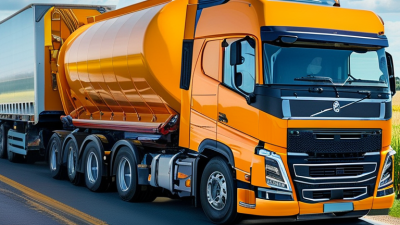
Best Bulk Feed Transport Vehicles for Efficient Supply Chain?
In today's agriculture-driven economy, the efficiency of supply chains is paramount. "Bulk Feed Transport Vehicles" play a crucial role in this landscape. According to industry expert John O'Hara, "The right transport vehicle can make or break your feed supply chain." This highlights the importance of selecting optimal vehicles for bulk feed transportation.
Choosing the best vehicle requires understanding the specific needs of your operation. Different feed types have unique requirements that impact vehicle design. For instance, some bulk feed transport vehicles focus on insulation, while others prioritize capacity. The right choice can reduce waste and enhance delivery speed. Yet, many operations overlook the importance of vehicle selection, leading to inefficiencies.
Moreover, as regulations tighten, transport vehicles must adhere to new standards. Failure to comply can lead to costly consequences. It's essential to reflect on whether your current vehicles meet these demands. Evaluating your fleet regularly can save money and improve service quality. Ultimately, investing in high-quality bulk feed transport vehicles is key to maintaining a robust supply chain.
Types of Bulk Feed Transport Vehicles Available in the Market
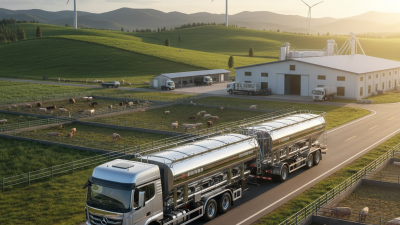
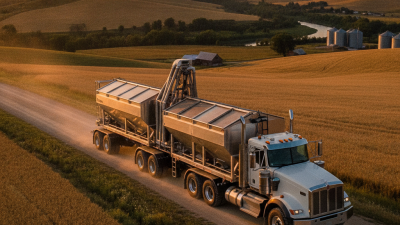
When considering bulk feed transport vehicles, various options exist to optimize your supply chain. Trailers, containers, and specialized trucks are commonly used for transporting bulk feed. Each type has its advantages based on load capacity and transport distance.
For instance, pneumatic trailers are excellent for transporting dry bulk feed materials. They use air pressure to load and unload the contents, which minimizes spillage. However, they require regular maintenance to ensure efficiency and reliability. Modular container systems can also be utilized for bulk transport, offering flexibility in loading and unloading. Still, they may not be suitable for all types of feed.
Choosing the right vehicle is crucial. Evaluate the feed type, distance, and infrastructure at both ends. Ensuring proper vehicle specifications prevents issues during transport. Consider performing routine checks on vehicles to mitigate risks. Investing in training for your drivers can enhance efficiency and safety during operations.
Key Features to Consider When Choosing Bulk Feed Transport Vehicles
When choosing bulk feed transport vehicles, several key features should be considered to enhance supply chain efficiency. First, vehicle capacity is crucial. It should align with your transport needs to minimize trips. Vehicles that can carry heavy loads efficiently can save time and reduce fuel costs.
Next, look at the design and durability of the vehicle. It should withstand the rigors of transportation without frequent maintenance issues. Choosing materials that resist wear and corrosion extends the life of the vehicle. Also, consider the ease of loading and unloading. Streamlined processes reduce downtime at both ends of the supply chain.
Efficiency also hinges on technology. Vehicles equipped with GPS and fleet management systems can optimize routes and monitor performance. This tech can identify inefficiencies, but not all systems are perfect. Sometimes real-time data may lag, leading to miscalculations. Always be prepared to adapt and revise strategies based on the data gathered.
Advantages of Using Specialized Vehicles for Feed Transport
Efficient supply chains are critical in the feed transport industry. Specialized vehicles play a significant role in enhancing efficiency. These vehicles are designed to handle bulk feed, minimizing spoilage and contamination. Their unique features, such as insulated compartments, ensure feed remains fresh during transport. This is vital for livestock health and productivity.
Using specialized vehicles can also reduce operational costs. Their load capacity allows for transporting larger quantities in a single trip. As a result, fewer trips are needed, saving on fuel costs and time. However, it's essential to regularly maintain these vehicles. Neglect can lead to breakdowns that disrupt the supply chain and cause financial losses.
Take advantage of technology by integrating GPS tracking systems. This helps monitor vehicle location and optimize delivery routes. Staying informed about traffic conditions can further improve delivery times. Always evaluate the condition of the vehicle before loading to avoid unexpected issues. Keeping your fleet in top shape ensures reliability and keeps your supply chain running smoothly.
Impact of Bulk Feed Transport on Supply Chain Efficiency
The efficiency of bulk feed transport is critical for the supply chain. According to a report by the Food and Agriculture Organization (FAO), transportation can account for up to 30% of supply chain costs. This figure highlights the need for effective logistics. Properly designed transport vehicles can reduce delays and costs.
Transport vehicles must be durable and adaptable to various conditions. While modern designs improve efficiency, challenges remain. For instance, a study from the International Journal of Logistics found that 20% of transport vehicles suffer breakdowns on long routes. These interruptions can disrupt supply chains and impact overall efficiency.
Moreover, effective bulk feed transport can enhance inventory management. Efficient supply chains lead to reduced waste and better product availability. However, businesses often overlook maintenance and training for drivers. These factors can hinder performance. Investing in technology and workforce training can yield better results. Balancing cost and efficiency is essential for improvement.
Impact of Bulk Feed Transport on Supply Chain Efficiency
This chart illustrates the efficiency of different types of bulk feed transport vehicles based on their average load capacity, fuel efficiency, and overall cost-effectiveness.
Case Studies: Successful Implementation of Bulk Feed Transport Solutions
Efficient supply chain management in bulk feed transport is crucial for minimizing costs and maximizing productivity. Recent reports indicate that the global animal feed market is projected to reach $471.5 billion by 2027, highlighting the increasing demand for effective transport solutions. One notable case study involved a major agribusiness company that successfully reduced their logistics costs by 20%. They achieved this by optimizing their fleet with specialized bulk feed transport vehicles.
Another example comes from a study that emphasized the importance of route optimization and real-time tracking. Companies implementing GPS-based systems reported a 15% increase in on-time deliveries. This boost not only improved customer satisfaction but also minimized waste during transportation. However, challenges in the adoption of new technology remain. Lack of training or resistance to change can hinder results.
Furthermore, sustainability is becoming a significant focus. A report indicated that 65% of poultry producers are now seeking eco-friendly transport options. Adopting electric vehicles could lead to a substantial decrease in carbon emissions. Yet, the upfront costs of such investments might deter some businesses. Addressing these issues requires both strategic planning and a willingness to adapt to new methods.
Best Bulk Feed Transport Vehicles for Efficient Supply Chain
| Vehicle Type |
Capacity (tons) |
Fuel Efficiency (mpg) |
Loading Time (minutes) |
Maintenance Cost ($/year) |
| Semi-Trailer |
25 |
8 |
30 |
3500 |
| Dump Truck |
15 |
6 |
20 |
2700 |
| Bulk Feed Trailer |
22 |
7.5 |
25 |
3200 |
| Flatbed Truck |
10 |
5 |
15 |
2000 |
| Belly Dump Truck |
12 |
6.5 |
22 |
2300 |