Why Choose a Refrigerated Delivery Vehicle?
A Refrigerated Delivery Vehicle does more than keep goods cold. It helps protect product quality as items travel from a loading bay to a customer’s door. For a bakery, caterer, grocer, or meal-service operator, reliable temperature control can support freshness and consistent handling. The right vehicle also makes daily work easier, with insulated walls, suitable cooling capacity, readable temperature displays, and enough room for orderly loading. Small details matter. A door left open during a busy stop can challenge even a well-planned delivery. A refrigeration unit that struggles to recover temperature between stops may also affect operations. These practical demands are worth considering before choosing a vehicle.
Start with the route, not just the brochure. Consider delivery distance, outside temperatures, stop frequency, and the cargo’s required temperature range. Frozen goods, chilled produce, dairy, and prepared meals may have different operating needs. Vehicle capacity should match typical loads, with space for air to circulate around the cargo. A digital display is useful, but it does not replace routine checks, equipment cleaning, or driver training. Maintenance access matters too. Downtime has a cost. Yet a larger or more powerful vehicle is not automatically the better choice; it can add expense without improving the route. That trade-off deserves an honest review. This guide explores the features, benefits, and practical questions that help businesses assess whether refrigerated delivery suits their daily work. Some decisions will still depend on real operating conditions, which can be less predictable than a specification sheet suggests.
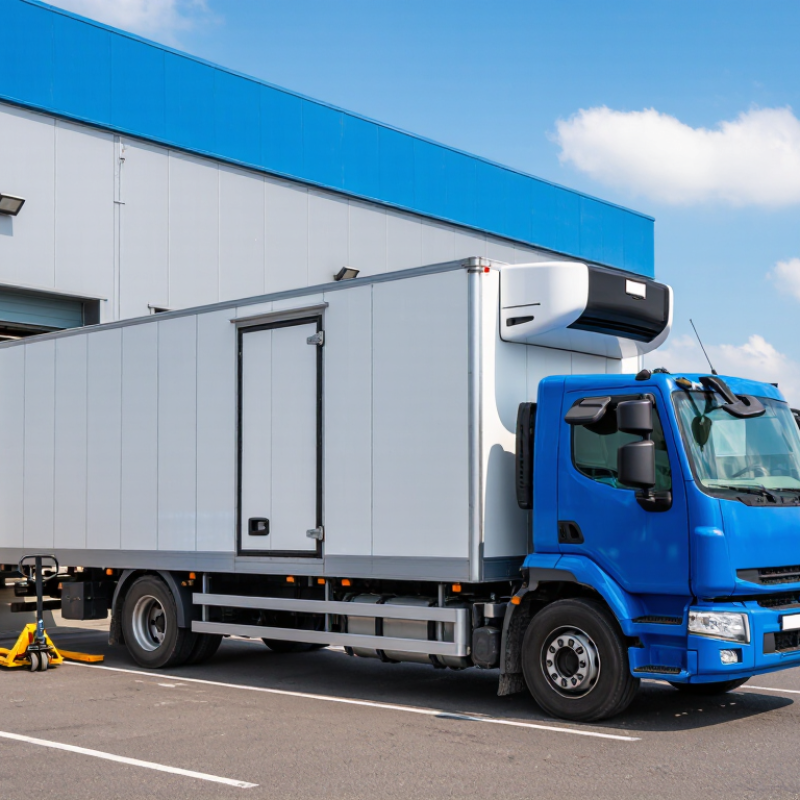
What a Refrigerated Delivery Vehicle Does: Insulation, Cooling, and Airflow
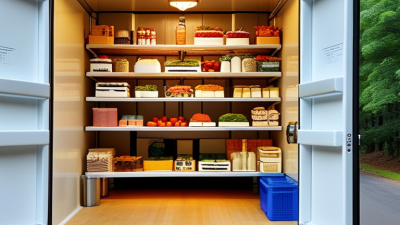
A refrigerated delivery vehicle protects temperature-sensitive cargo through three connected features: insulation, a cooling system, and managed airflow. Insulated walls, roof, and floor slow heat transfer from the outside. They do not make the vehicle cold by themselves. They help the cooling unit hold a steady interior temperature, especially during repeated stops. Small gaps matter.
The cooling unit removes heat from the cargo space, but its performance depends on real working conditions. Hot weather, warm products, and frequent door openings all add heat. Pre-cooling the vehicle and loading products at their required temperature can reduce the system’s workload. The right cooling capacity depends on the vehicle, route, cargo, and expected door use; one setup does not fit every delivery. That detail is easy to overlook.
Airflow carries cooled air around the load, helping reduce warm and cold pockets. Leave clear space around vents, and avoid packing cartons tightly against the walls or ceiling. Even a strong unit cannot circulate air through blocked passages. A temperature display is useful, but it may not show conditions in every corner. Periodic checks near different parts of the load can reveal uneven cooling. Real routes are messy, and door discipline is never perfect, so practical monitoring matters.
Which Loads Need Temperature Control: FDA Cold-Holding Limit of 5°C (41°F)
A refrigerated delivery vehicle matters when a load can become unsafe or lose quality as its temperature rises.
Under the FDA Food Code 2022, time/temperature control for safety foods generally must be cold-held at
41°F (5°C) or below.
This includes milk, raw meat, seafood, cooked foods, and some cut produce. The rule is a useful benchmark, not a universal shipping specification: product labels and applicable handling guidance may set tighter requirements.
The CDC estimates that foodborne illnesses affect about
48 million people in the United States each year,
based on its 2011 estimates. Cold control cannot prevent every illness, but it helps limit bacterial growth during delivery. Picture a pallet of dairy cases beside a truck door opened repeatedly on a warm afternoon. The cabin display may still look reassuring.
Check product temperatures, use a calibrated probe, and keep a simple time-and-temperature record.
Small details count.
The FDA Food Code is a model for retail and food-service regulation, not a complete transport manual. That distinction is easy to miss. A vehicle’s setpoint also does not prove that every carton stayed cold; loading delays, blocked airflow, and warm product can undermine control. Pre-chilling the cargo area and arranging loads for airflow are practical safeguards. There is no perfect shortcut.
Sources: FDA Food Code (2022); CDC, Foodborne Illnesses and Germs.
Food-Safety Context: WHO Estimates 600 Million Foodborne Illnesses Yearly
WHO estimates that unsafe food causes about 600 million cases of foodborne illness each year. That is serious. Behind the estimate are real meals, homes, and workdays disrupted by illness. Produce, dairy, meat, and prepared dishes can all become risky when handling or temperature control fails.
A refrigerated delivery vehicle helps maintain a controlled environment while food travels to a shop or kitchen. Cold air slows the growth of many harmful microorganisms, but it does not sterilize food. Temperatures can vary between the front, rear, and doorway. A display check is useful; a calibrated probe and recorded readings provide better evidence. Keep loading time short. Close the doors between stops.
There is an uncomfortable caveat: a cold truck cannot fix contaminated ingredients, dirty equipment, or careless loading. One temperature reading also cannot prove every package stayed safe. Delivery teams need clean surfaces, sensible separation of raw and ready-to-eat foods, and clear records. Condensation on a crate or a warm pallet edge may deserve a closer look, even when the screen seems normal.
Why Choose a Refrigerated Delivery Vehicle?
Food-safety context: The WHO estimates that contaminated food causes 600 million illnesses and 420,000 deaths worldwide each year.
Refrigerated vehicles help keep perishable foods within required cold-chain temperatures, limiting conditions that allow many pathogens to grow. Refrigeration is one part of food safety and does not replace hygienic handling or proper time-temperature control.
Source: WHO estimates of the global burden of foodborne disease. The 295,000 deaths for people aged five and older are calculated by subtracting the WHO estimate of 125,000 deaths among children under five from the 420,000 estimated total deaths.
Where Refrigerated Vehicles Add Value: Food, Pharmaceuticals, and Other Cargo
Refrigerated delivery vehicles protect more than freshness. They help keep food within a planned temperature range from loading bay to store. A driver can check the cargo-area display before departure and record readings during the route. That matters when delivering chilled dairy, frozen vegetables, or prepared meals. A door left open during a busy stop can quickly change conditions. Small habits count.
Pharmaceutical shipments may need tighter temperature control. Some medicines and diagnostic materials can lose quality after exposure to heat or freezing. Insulated compartments, suitable cooling equipment, and clear monitoring procedures help reduce that risk. The vehicle should match the product’s handling requirements, not just the route length. A short trip can still include a long wait in the sun. Not ideal.
Other temperature-sensitive cargo benefits too. Cut flowers can wilt in a hot cabin, while certain chemicals and laboratory samples may require stable conditions. Before loading, operators should check the set point, airflow, and packaging. Stacking boxes against vents can block circulation, even when the display shows the target temperature. Refrigeration also adds fuel use and maintenance needs. It is not the right choice for every delivery, and a temperature log cannot fix poor loading practices.
What to Check Before Choosing: Temperature Range, Payload, and Compliance
Why Choose a Refrigerated Delivery Vehicle?
What to Check Before Choosing: Temperature Range, Payload, and Compliance
A refrigerated vehicle works only when its temperature range matches the cargo and route. For US food-service operations, the FDA Food Code 2022 sets cold holding at 41°F (5°C) or below for temperature-controlled food. Treat this as a benchmark, not a universal transport rule.
For medicines, the WHO’s Model Guidance for the Storage and Transport of Time- and Temperature-Sensitive Pharmaceutical Products emphasizes following labeled storage conditions and monitoring temperatures. Ask for temperature-mapping results, not just the thermostat range. Test the unit during loading, door openings, and hot weather.
Payload is not the same as cargo space. Calculate the usable load after accounting for the refrigerated body, unit, fuel, driver, and equipment; then check axle limits. Leave room for air to move around cartons. A tightly packed van may look efficient, but warm spots can form. Small detail. Still costly. Match the vehicle’s capacity to your heaviest realistic route, not an average delivery day.
Check local requirements for temperature records, calibration, alarms, sanitation, and vehicle inspections. Request sample data logs and confirm that sensors can show conditions across the cargo area. The FDA Food Code provides a US food-safety reference, while WHO guidance addresses temperature-sensitive health products; requirements vary by cargo and jurisdiction. A polished specification sheet is reassuring, but real routes are messier. Ask how the system performs when the rear doors open repeatedly, and leave room to revise your assumptions.