What Is a Cold Chain Vehicle and How Does It Work?
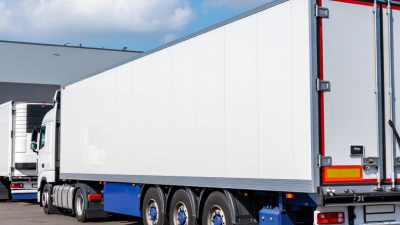
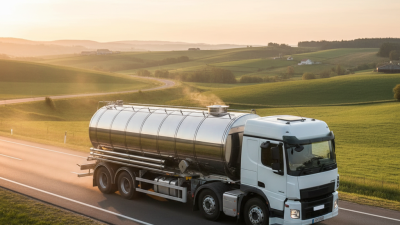
A Cold Chain Vehicle is designed to move temperature-sensitive goods while limiting exposure to heat, cold, and sudden temperature changes. It may carry fresh produce, dairy products, frozen foods, or medical supplies. The vehicle usually combines an insulated cargo body with a refrigeration unit. The insulation slows heat transfer; the cooling system removes heat and helps maintain the chosen range. The vehicle itself does not guarantee safe temperatures. Not by itself.
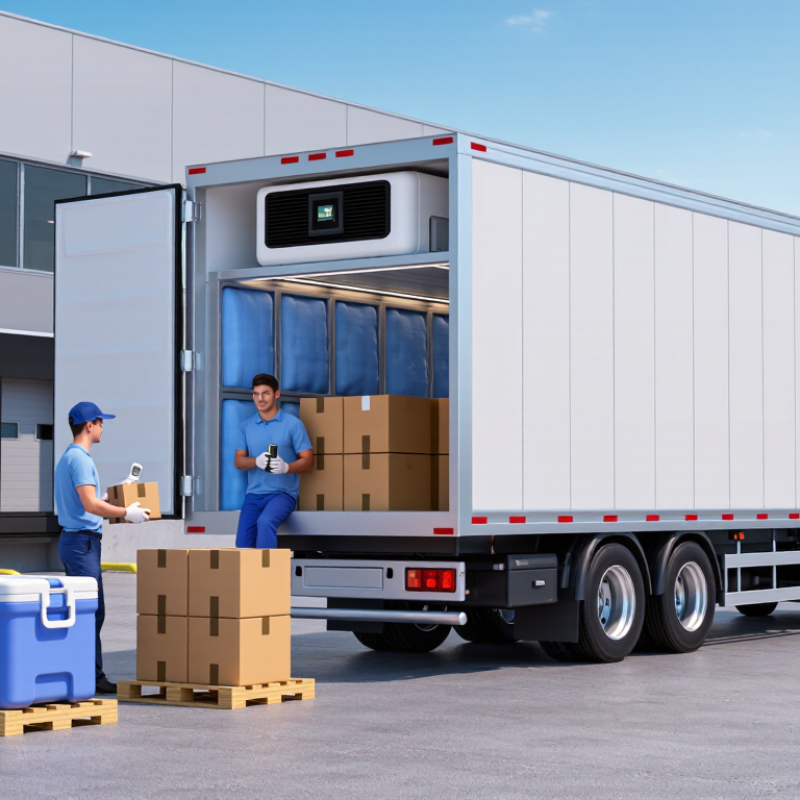
Before loading, operators typically pre-cool the cargo space and check that the refrigeration system is working. During a trip, sensors can record temperatures, while drivers monitor the display and respond to alarms. Airflow matters, too. Blocked vents or tightly packed boxes can leave warm spots, even when the display looks normal. Each door opening lets outside air enter, so loading plans and quick handling make a real difference. Small details count.
A reliable cold chain depends on more than equipment. Product requirements, loading temperature, route length, weather, and delivery delays all affect performance. A well-maintained vehicle can reduce temperature swings, but it cannot correct every mistake made before loading or after delivery. There is no single setup for every route. That is worth remembering when choosing equipment: capacity and cooling power matter, but so do monitoring, maintenance, and staff training. The practical test is whether the product stays within its required conditions from pickup to handoff.
What Defines a Cold Chain Vehicle?
What Is a Cold Chain Vehicle and How Does It Work?
What Defines a Cold Chain Vehicle?
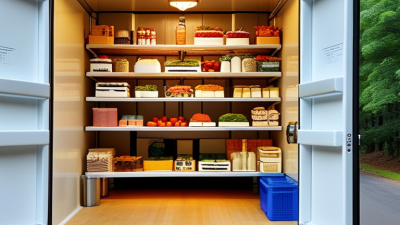
A cold chain vehicle is more than a truck with a cooling unit. Its insulated cargo body, refrigeration system, and temperature monitoring work together to protect goods during transit. The set temperature depends on the cargo: chilled produce, frozen food, and medical supplies may each need different conditions. Airflow matters, too. A blocked vent or tightly stacked cartons can create warm pockets, even when the display shows the correct reading.
The International Institute of Refrigeration’s 2022 report, The Role of Refrigeration in the Global Economy, estimates that about 12% of food produced globally is lost because of inadequate refrigeration. That figure helps explain why reliable transport matters, though a vehicle alone cannot prevent every loss. Door openings, long loading stops, poor pre-cooling, and sensor placement can all affect temperatures. A dashboard reading is useful, but it may not reveal the temperature inside every carton.
Tips: Pre-cool the cargo space before loading, keep vents clear, and use calibrated data loggers near sensitive products. Check records after delivery, not just during the trip. Small gaps happen; review them honestly.
Key Components of a Cold Chain Vehicle
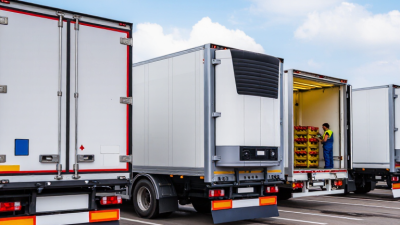
A cold-chain vehicle is a moving insulated room, but its components must work as one system. Insulated panels slow heat gain; tight door seals matter too. A refrigeration unit removes heat, while fans circulate cool air around the cargo. Blocked airflow can leave warm pockets beside apparently chilled goods. Small details count.
Temperature sensors and a data logger record conditions during the trip. The driver can check the display, but that reading alone may miss temperature swings between checks. WHO guidance stresses monitoring vaccine storage temperatures and following product-specific limits; many routine vaccines require 2–8°C. For food transport, settings also depend on the cargo. Keep sensors calibrated, inspect seals, and avoid loading warm pallets into a pre-cooled vehicle. It sounds obvious, yet rushed loading can undermine careful refrigeration.
Power supply, alarms, and maintenance complete the system. A standby power source can help during stops or equipment faults, while alarms flag temperatures outside set limits. The UNEP and FAO report Sustainable Food Cold Chains (2022) estimates that food cold chains account for about 4% of global greenhouse gas emissions. That is a system-wide estimate, not a truck-only figure. Refrigerant choice and efficient operation therefore matter, though efficiency should never replace reliable temperature control. A dented panel may look minor. It deserves inspection.
How the Refrigeration System Works
A cold-chain vehicle does not simply “make cold”; it removes heat from an insulated cargo space. In a common vapor-compression system, refrigerant circulates through four main components. The compressor raises its pressure and temperature, then sends it to the condenser. Air flowing across the condenser coils carries heat outside, turning the refrigerant into a high-pressure liquid. A metering device lowers its pressure, and the refrigerant enters the evaporator inside the cargo area. There, it absorbs heat and boils back into vapor. The cycle repeats.
The evaporator fan moves chilled air around cartons, while return vents draw warmer air back to the unit. Blocked vents can create warm pockets, even when the dashboard reading looks fine. Insulated walls and tight door seals slow heat entering during stops. Sensors track air temperature; some systems also use product probes or independent data loggers. Defrost cycles melt frost from the evaporator coils, since frost can restrict airflow. Not instantly. A warm load may take hours to reach its target, and air temperature can differ from a product’s core temperature. One sensor cannot describe every carton. Reviewing temperature records and checking loading practices gives a more dependable picture, though real routes are messy and refrigeration cannot undo poor pre-cooling.
What Is a Cold Chain Vehicle and How Does It Work?
Typical Cargo Temperature Bands (°C)
A cold chain vehicle uses an insulated cargo compartment and a refrigeration cycle to remove heat and maintain the required temperature. The evaporator absorbs heat from the cargo space, the compressor raises the refrigerant’s pressure, the condenser releases heat outside the vehicle, and the expansion valve lowers the refrigerant’s pressure so the cycle can repeat. Cargo targets vary by product; the ranges shown are typical examples, not universal requirements.
How Temperature Is Monitored and Controlled
A cold-chain vehicle controls temperature with an insulated cargo body, a refrigeration unit, and sensors linked to a controller. The driver sets a target range for the specific cargo; one temperature does not suit every product. Before loading, the compartment should be pre-cooled, and cartons must leave air channels clear. Sensors commonly track supply and return air, while data loggers record readings over time. Some shipments also use probes near the cargo itself. Small details matter.
The controller adjusts cooling as conditions change. If a door stays open or warm cargo enters, readings may rise, triggering an alarm or a manual check. Telematics can send time-stamped alerts to fleet staff, who can compare the event with route and loading records. The International Institute of Refrigeration has reported that inadequate refrigeration contributes to about 12% of global food loss. That figure shows why monitoring matters, but a dashboard cannot prove every carton stayed within range. Sensor placement, calibration, airflow, and record review all matter. Yet no system is perfect. A sensor can drift, and a single reading may miss a warm spot, so operators should investigate excursions rather than simply reset the display.
Common Types and Uses of Cold Chain Vehicles
What Is a Cold Chain Vehicle and How Does It Work?
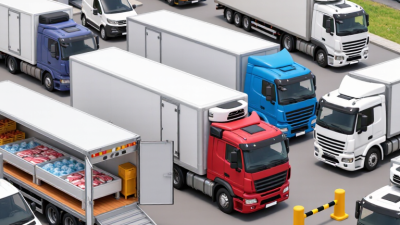
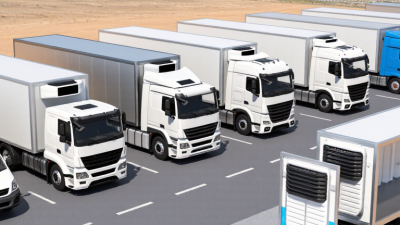
Cold chain vehicles transport goods that must stay within a controlled temperature range. Common types include insulated vans for local deliveries, refrigerated rigid trucks for regional routes, and refrigerated trailers for larger shipments. Some vehicles use powered cooling units; others use insulation and cold packs for short journeys. The right choice depends on cargo volume, travel time, and how often doors open. Chilled produce and dairy need different handling from frozen foods.
A refrigeration unit removes heat, while insulated walls slow outside temperature changes. Drivers or logistics staff set the target temperature before loading and allow the cargo space to cool. Sensors can record conditions during the trip, helping teams spot changes early. Airflow matters. Boxes stacked tightly against vents may block circulation and create warm pockets. A temperature display helps, but it cannot show every condition inside every package.
Tips: Pre-cool the vehicle, check sensor readings, and leave clear space around air vents. Keep loading times short, especially on warm days. Small gaps count. Records are useful, though they do not replace careful loading or routine equipment checks.