Why Choose a Feed Transportation Vehicle for Your Business?
Moving feed from a mill to a farm is more than a delivery task. It affects product quality, operating costs, animal nutrition, and customer trust. A suitable Feed Transportation Vehicle can protect feed from moisture, dust, cross-contamination, and unnecessary handling. These risks often appear during ordinary moments, such as loading in rain or waiting beside a busy road.
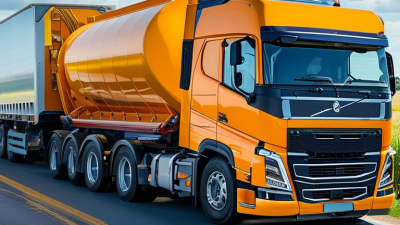
Different feed products require different transport solutions. Dry grain may need sealed compartments and pneumatic unloading. Pelleted feed may require careful airflow and gentle handling. Liquid supplements demand secure tanks, accurate pumps, and easy cleaning. Vehicle capacity also matters. A truck that is too small creates extra trips, while an oversized unit may waste fuel and reduce efficiency. Route length, farm access, loading equipment, and delivery schedules should guide the decision.
Practical experience shows that maintenance is just as important as initial vehicle selection. Inspect seals, hoses, valves, tires, and discharge systems before each working day. Keep delivery records and cleaning logs. These simple habits support traceability and consistent service. No vehicle is perfect. A design that works well on paved roads may struggle on narrow farm lanes. That limitation should be measured honestly.
Reliable manufacturers can provide specifications, safety guidance, and service support. Their advice should be checked against real operating conditions, not accepted blindly. With careful planning, the right Feed Transportation Vehicle can improve feed security, reduce handling losses, and support more dependable business growth. Small details matter.
What Is a Feed Transportation Vehicle?
Why Choose a Feed Transportation Vehicle for Your Business?
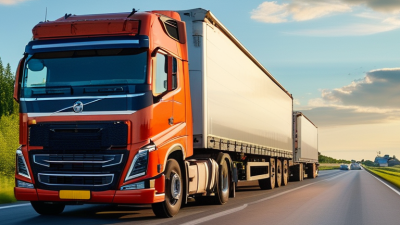
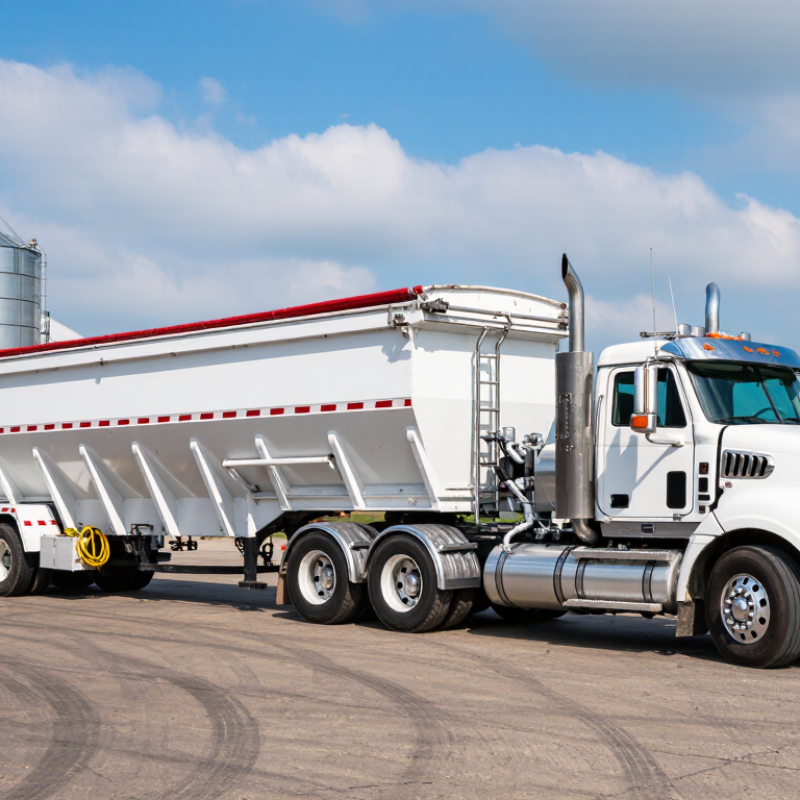
A feed transportation vehicle is designed to move animal feed safely from storage sites to farms, barns, or feeding systems. It usually includes sealed compartments, discharge outlets, and equipment for controlled unloading. Some models use augers, blowers, or hydraulic systems to move feed efficiently.
The vehicle protects feed from rain, dust, pests, and unnecessary handling. Separate compartments can carry different feed types without immediate mixing. Accurate weighing systems also help operators monitor each delivery and reduce loading mistakes. In daily work, a clean interior matters as much as carrying capacity. Small residue can affect the next load.
A suitable vehicle can reduce manual labor and improve delivery timing. It may also support better inventory records when weight data is recorded carefully. However, larger capacity is not always better. A vehicle that is too large may waste fuel on short routes and become difficult to maneuver near narrow barns. Cleaning takes time, too. It is not magic. Businesses must inspect seals, unloading parts, and storage conditions regularly. Even careful operators can misjudge route distances or loading needs, so practical records should be reviewed and adjusted.
Why Choose a Feed Transportation Vehicle for Your Business? - What Is a Feed Transportation Vehicle?
| Vehicle Configuration |
Typical Payload |
Typical Body Volume |
Common Unloading Method |
Typical Unloading Time |
Best-Fit Application |
| Light-duty feed delivery truck |
1.5–5 metric tonnes |
5–15 m³ |
Gravity discharge, small auger, or pneumatic blower |
10–25 minutes |
Short routes, small farms, and frequent deliveries |
| Medium rigid feed truck |
6–12 metric tonnes |
18–35 m³ |
Hydraulic auger, conveyor, or pneumatic blower |
15–35 minutes |
Regional deliveries and mixed customer requirements |
| Heavy rigid bulk feed truck |
13–25 metric tonnes |
35–65 m³ |
Multi-compartment auger or pneumatic discharge |
20–45 minutes |
Large farms, feed mills, and high-volume routes |
| Articulated bulk feed combination |
25–40 metric tonnes |
65–100 m³ |
High-capacity pneumatic blower or hydraulic system |
30–60 minutes |
Long-distance transport and centralized distribution |
| Selection Dimension |
Why It Matters |
Recommended Consideration |
| Payload and volume |
Feed density varies, so a vehicle may reach its volume limit before its weight limit. |
Match both the legal payload and the internal volume to the feed types being transported. |
| Compartment layout |
Separate compartments help prevent cross-contamination between different feed formulas. |
Choose multiple compartments when one route serves several feed products or livestock groups. |
| Discharge equipment |
The unloading system determines delivery speed, reach, and compatibility with storage bins. |
Use augers for controlled delivery and pneumatic systems where longer discharge distances are required. |
| Route conditions |
Narrow farm roads, steep access points, and limited turning areas affect vehicle usability. |
Evaluate road width, ground clearance, turning radius, and access to storage facilities. |
| Hygiene and cleaning |
Residual feed can cause product mixing, spoilage, or hygiene problems. |
Prioritize smooth internal surfaces, accessible inspection points, sealed compartments, and simple cleaning procedures. |
| Operating efficiency |
Automated loading and unloading can reduce manual handling and shorten delivery cycles. |
Compare fuel use, average route distance, loading frequency, labor needs, and maintenance requirements. |
Note: The figures shown are typical industry ranges for dry-feed transportation vehicles. Actual payload, volume, unloading time, and legal limits vary according to vehicle design, feed density, road regulations, equipment configuration, and operating conditions.
How Does a Feed Transportation Vehicle Support Daily Operations?
A feed transportation vehicle supports daily operations by moving prepared feed from storage to livestock areas safely and consistently. In practice, this means fewer manual transfers, shorter loading windows, and more predictable delivery times. A well-designed body protects feed from rain, dust, and unnecessary handling. Its sealed compartments can help separate different rations during one route. Operators should check seals, hinges, and discharge points before leaving the yard. Small faults become larger delays.
Daily work depends on accurate loading. Scales or marked capacity guides help prevent overfilling and uneven axle weight. Stable loads reduce spillage on rough farm roads. During delivery, controlled discharge allows staff to place feed near troughs without creating avoidable waste. This matters when several barns share one schedule. A clean interior is equally important. Residual feed can spoil, attract pests, or affect the next ration. Cleaning routines must match the feed type, moisture level, and local operating conditions.
The vehicle also supports practical planning. Route records, loading times, and fuel checks reveal where operations lose time. An experienced operator notices unusual vibration, delayed unloading, or changes in feed flow. These observations deserve maintenance attention, not quick dismissal. Still, transportation equipment is not a complete solution. A poorly planned route or rushed loading can cancel its benefits. Training, inspection records, and clear handover procedures keep daily use reliable. Some farms may need more capacity; others may need better maneuverability. The right choice depends on actual distances, feed volume, road surfaces, and available labor.
Which Business Benefits Come From Using One?
Why Choose a Feed Transportation Vehicle for Your Business?
Which Business Benefits Come From Using One?
A feed transportation vehicle gives farm businesses more control over daily deliveries. It protects feed from rain, dust, and accidental contamination during movement. A sealed body also helps preserve measured portions and reduce unnecessary product loss. That matters when feed prices rise. It matters every morning.
Vehicles designed for feed can carry planned volumes safely, reducing repeated trips between storage areas and livestock buildings. Better scheduling can save fuel, staff time, and loading effort. Some vehicles support separate compartments, which helps prevent mixing different feed types. Accurate delivery also makes inventory records more reliable. Drivers can compare loaded weight, delivery time, and remaining stock. These details support clearer purchasing decisions. This is where the business value becomes visible.
Regular cleaning and inspection remain essential. A vehicle does not replace good hygiene. Operators should check seals, hatches, tires, brakes, and unloading equipment before use. Poor maintenance can delay feeding and cancel expected savings. I have seen efficiency plans fail because routes were too optimistic. Weather, narrow lanes, and uneven ground change the calculation. The right vehicle should match herd size, storage layout, road conditions, and delivery frequency. Staff training also matters, especially when unloading near animals or elevated platforms. A simple checklist can reveal costs that spreadsheets miss.
What Features Should Businesses Evaluate Before Choosing?
A feed transportation vehicle should match your daily loading pattern, not just your largest order. Alltech’s 2024 Agri-Food Outlook recorded about 1.126 billion metric tons of global feed production in 2023. That volume makes reliability a commercial issue. Evaluate payload, compartment design, unloading speed, and axle capacity. A larger hopper is not automatically better. It may reduce trips but increase fuel use, turning space, and loading pressure. Check whether the vehicle handles pellets, mash, minerals, or mixed rations without damaging texture.
Hygiene and material control deserve equal attention. The Food and Agriculture Organization identifies feed safety as a key part of the food chain, so smooth internal surfaces and easy cleaning should be non-negotiable. Ask about dust control, sealed compartments, moisture protection, and cross-contamination prevention. Digital weighing, route records, and delivery tracking can improve accountability. Temperature and moisture sensors are useful, but only when staff actually review the readings. A sophisticated system can still fail through poor training. Maintenance access also matters; inspect augers, blowers, seals, tires, and hydraulic lines before purchase. Request a real loading demonstration, not only a brochure.
Tips: Compare total operating cost over three years. Test the vehicle on your narrowest route. Measure unloading accuracy with your own feed. Leave room for human error. That is where many specifications look weaker.
Why Choose a Feed Transportation Vehicle for Your Business?
What Features Should Businesses Evaluate Before Choosing?
A feed transportation vehicle should be evaluated against the business’s route length, feed volume, unloading process, and site conditions. Payload capacity and hopper volume affect delivery efficiency, while unloading time, maneuverability, gradeability, and moisture protection help reduce handling losses and operational delays. The figures shown are practical reference benchmarks rather than brand-specific specifications.
How Can Companies Select the Right Vehicle for Their Needs?
Why Choose a Feed Transportation Vehicle for Your Business?
How Can Companies Select the Right Vehicle for Their Needs?
Choosing a feed transportation vehicle starts with the daily route, not the vehicle’s appearance. Measure the usual load, delivery distance, road surface, and unloading points. A vehicle carrying dry pellets may need a different system from one handling fine meal. Check payload limits carefully. Overloading can increase wear, fuel use, and braking distance.
Ask operators to inspect the hopper, auger, discharge controls, and access steps. These details matter during a cold morning delivery or a dusty afternoon shift. Look for sealed compartments that protect feed from rain and contamination. Easy cleaning also supports reliable hygiene between different loads. Maintenance records, service access, and replacement-part availability deserve equal attention. Practical experience often exposes weaknesses that a sales sheet misses.
Tips:
Measure your narrowest gate and lowest doorway. Test unloading speed with a realistic load. Keep it simple. Speak with drivers before deciding. Their feedback may reveal awkward controls or poor visibility. I would also leave some capacity unused, even when budgets feel tight. That choice can improve stability and extend equipment life. No checklist is perfect. Review the vehicle after several real deliveries, then adjust your process.