China Best Livestock Transport Vehicle How to Choose the Right One?
Choosing the right Livestock Transport Vehicle is crucial for farmers and livestock dealers. The vehicle selected impacts not only the safety of the animals but also their overall well-being during transit. A reliable transport vehicle should ensure the comfort and security of livestock, whether it's cattle, sheep, or pigs.
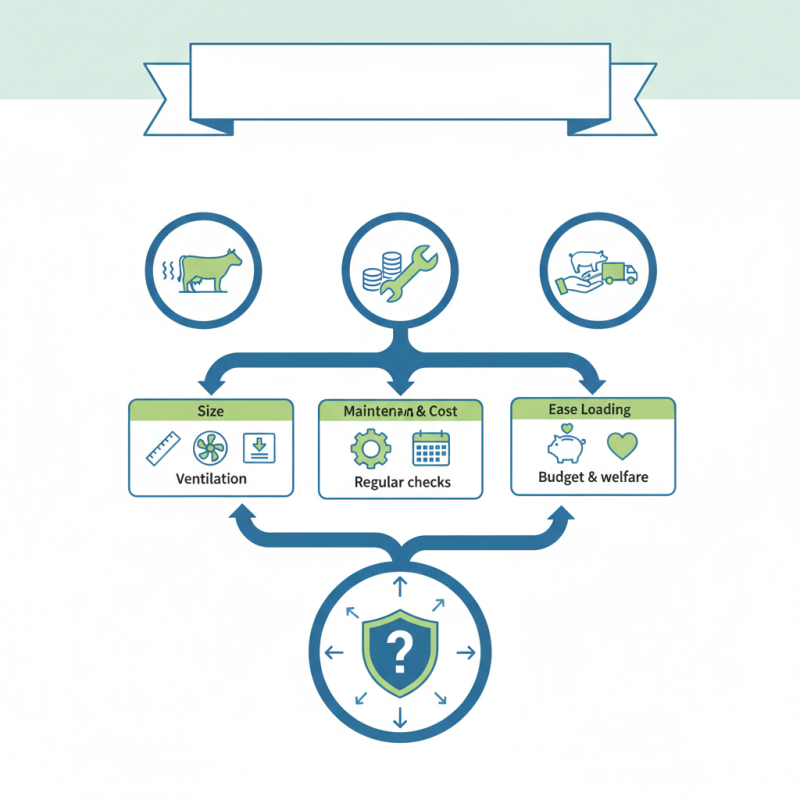
Considerations include size, ventilation, and loading ease. The vehicle must have sufficient space for the animals to stand and move comfortably. Proper ventilation prevents stress and overheating. However, many overlook maintenance. Regular checks can prevent unforeseen breakdowns, saving time and money.
Investing in a quality Livestock Transport Vehicle requires careful thought. While there are many options available, not all are suitable. Reflecting on past experiences can guide you to make a confident choice. Balancing budget, functionality, and animal welfare is key. Be prepared to address challenges in the decision-making process.
Types of Livestock Transport Vehicles Available in China
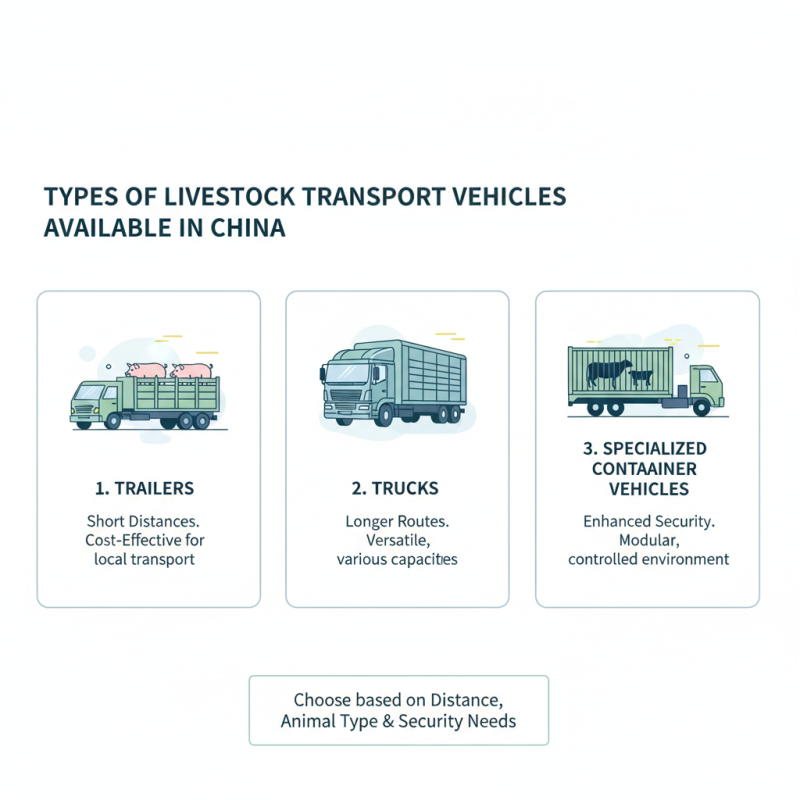
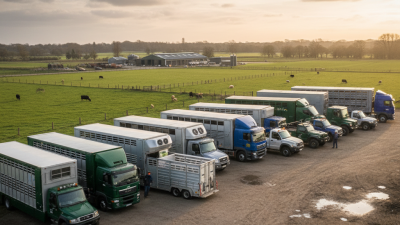
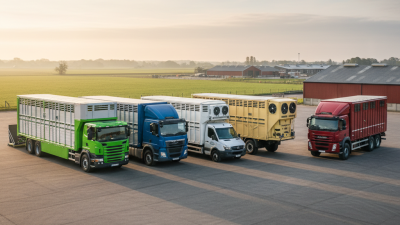
When selecting livestock transport vehicles in China, understanding the types available is crucial. The market offers various options, including trailers, trucks, and specialized container vehicles. Each type serves different needs. Trailers are common for short distances, while trucks are ideal for longer routes. Container vehicles can secure livestock better during transport.
According to industry reports, the livestock transport sector in China has grown by 10% annually over the past five years. This growth highlights the increasing importance of proper livestock transportation methods. The right vehicle can reduce stress on animals and improve their health outcomes during transit.
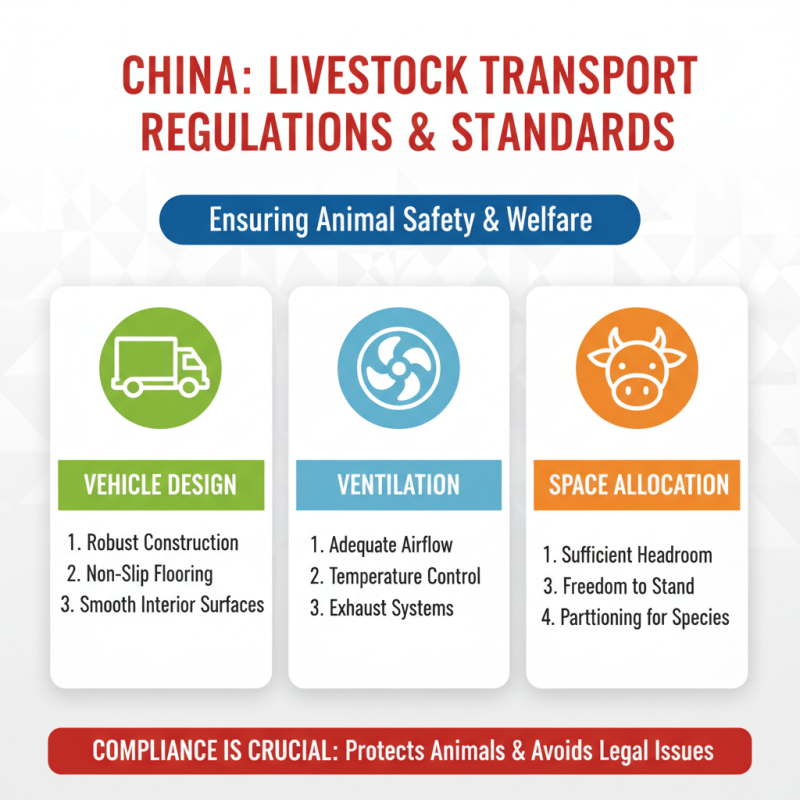
Tips: Ensure the vehicle meets local regulations. Regular maintenance is key to performance. Consider the size and breed of the livestock when choosing.
It is also important to reflect on the vehicle's capacity. Underloading or overloading can cause issues. Many operators overlook this factor. Understanding your specific needs can lead to better choices. Investing in the right vehicle ensures animal welfare and compliance with regulations.
Key Features to Consider When Selecting Livestock Transport Vehicles
When selecting livestock transport vehicles, several key features should guide your decision. The vehicle's size and load capacity are crucial. According to the Livestock Transport Association, an efficient trailer should accommodate up to 30% more livestock without compromising comfort. Overcrowding can lead to stress, injuries, and even fatalities.
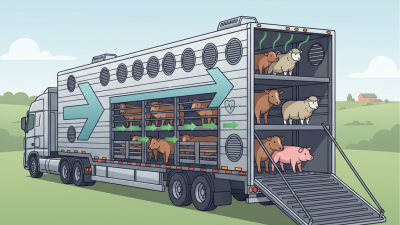
Ventilation is another critical consideration. Proper airflow helps maintain a suitable environment during transport. Studies indicate that inadequate ventilation can increase the risk of heat stress, leading to higher mortality rates in livestock. Temperature control systems are becoming vital for long journeys, with reports highlighting a 15% improvement in livestock well-being with climate-controlled units.
Finally, safety features should not be overlooked. This includes secure loading ramps and tie-down points to prevent shifting during transit. In a recent survey, 40% of farmers noted accidents related to improper securing of animals. Investing in safety measures protects both livestock and their value, reinforcing the importance of careful selection when acquiring transport vehicles. Reflect on your vehicle's features to ensure optimal performance and animal welfare.
Factors Influencing the Cost of Livestock Transport Vehicles in China
When selecting livestock transport vehicles in China, understanding the cost factors is essential. Various elements can significantly impact prices. First, the vehicle's size plays a major role. Larger vehicles may cost more but can carry more livestock, increasing revenue potential. Additionally, the type of materials used in construction affects cost. Durable materials can raise initial prices but may save money in the long run.
Another factor is the technology incorporated in the vehicle. Advanced temperature control and ventilation systems are critical for animal welfare. Such enhancements may raise upfront costs, but they ensure healthier animals during transport. Maintenance costs should also be considered. Choosing a vehicle with lower maintenance needs can reduce long-term expenses.
Finally, market demand fluctuates and can affect prices. As more farmers seek efficient transport, vehicle prices may rise or fall. It's essential to keep an eye on trends and be prepared to adapt. Selecting the right vehicle requires careful evaluation of these factors. Balancing initial costs with long-term benefits is not always straightforward, posing challenges that demand critical analysis.
Factors Influencing the Cost of Livestock Transport Vehicles in China
Best Practices for Maintaining Livestock Transport Vehicles
Maintaining livestock transport vehicles is essential for ensuring animal welfare and operational efficiency. Regular inspections are vital. Check the vehicle’s structure, including floors and walls, for any signs of wear. Rust or damage can compromise safety. It is also crucial to ensure adequate ventilation. Animals need fresh air during transport, especially in enclosed spaces.
Cleaning is another important aspect. After each trip, the vehicle should be thoroughly washed to remove waste and odors. This prevents disease and keeps animals healthy. Furthermore, pay attention to the temperature inside the vehicle. It can get hot quickly, so consider using temperature monitoring systems.
Driver training is often overlooked. Properly trained drivers know how to handle animals gently. They can recognize signs of stress in livestock, allowing for timely interventions. Reflecting on past experiences can highlight areas for improvement. Perhaps delays occurred due to mechanical issues. Regular maintenance checks can help prevent future problems. Practical strategies and conscientious care can significantly enhance livestock transport practices.
China Best Livestock Transport Vehicle - How to Choose the Right One?
| Vehicle Type |
Capacity (Head) |
Weight Limit (kg) |
Dimensions (m) |
Fuel Efficiency (L/100km) |
Maintenance Frequency (Months) |
| Flatbed Truck |
10 |
5000 |
4.5 x 2.5 x 2.5 |
15 |
6 |
| Enclosed Van |
8 |
4000 |
4.0 x 2.0 x 2.2 |
12 |
5 |
| Livestock Trailer |
12 |
7000 |
5.0 x 2.6 x 2.8 |
18 |
8 |
| Refrigerated Truck |
6 |
3500 |
4.2 x 2.0 x 2.6 |
15 |
7 |