What is Bulk Feed Tipper and How Does It Work?
In the agricultural and industrial sectors, efficiency is key. The Bulk Feed Tipper is a vital piece of equipment designed to streamline the process of delivering feed. Understanding its function can help businesses improve productivity and reduce labor costs.
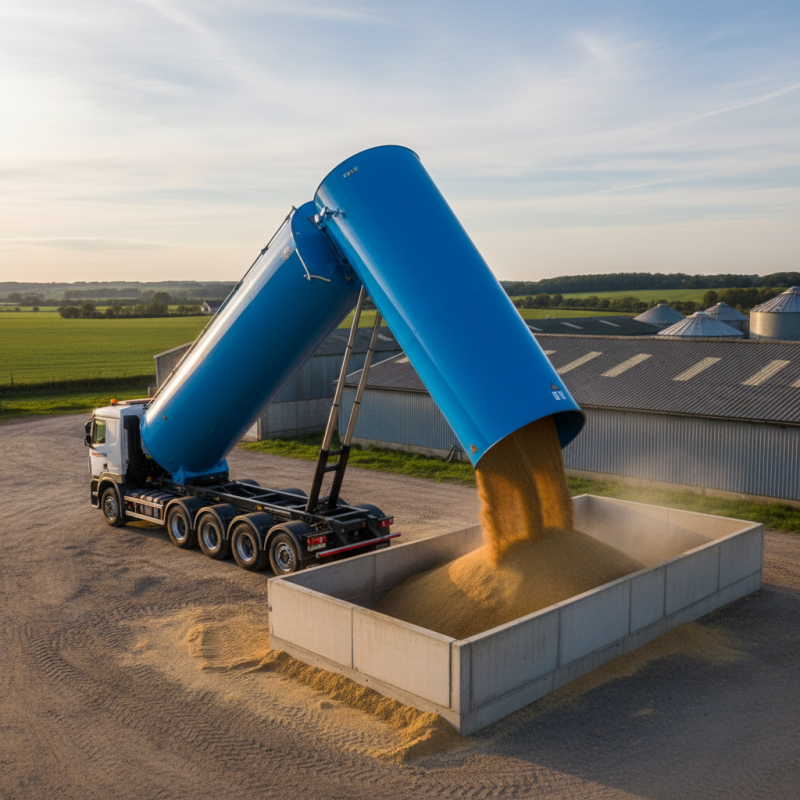
This innovative machine is engineered to handle large quantities of feed with ease. It employs gravity to facilitate the unloading process. Typically, it uses a tipping mechanism to empty the contents quickly and cleanly. The design minimizes waste and saves time during busy operations.
While the Bulk Feed Tipper offers many benefits, it's crucial to consider maintenance. Over time, wear and tear can affect performance. Regular checks and servicing can prevent costly downtime. Businesses must weigh the initial investment against long-term savings. This thoughtful approach leads to enhanced reliability and efficiency in feed delivery.
What is a Bulk Feed Tipper?
A bulk feed tipper is a vital piece of equipment in the agricultural industry. It is designed to transport and unload feed materials efficiently and safely. These machines can handle large volumes of feed, ensuring that farms and feedlots can maintain a steady supply. The bulk feed tipper typically consists of a hopper, conveyor system, and a tipping mechanism that allows materials to be discharged easily.
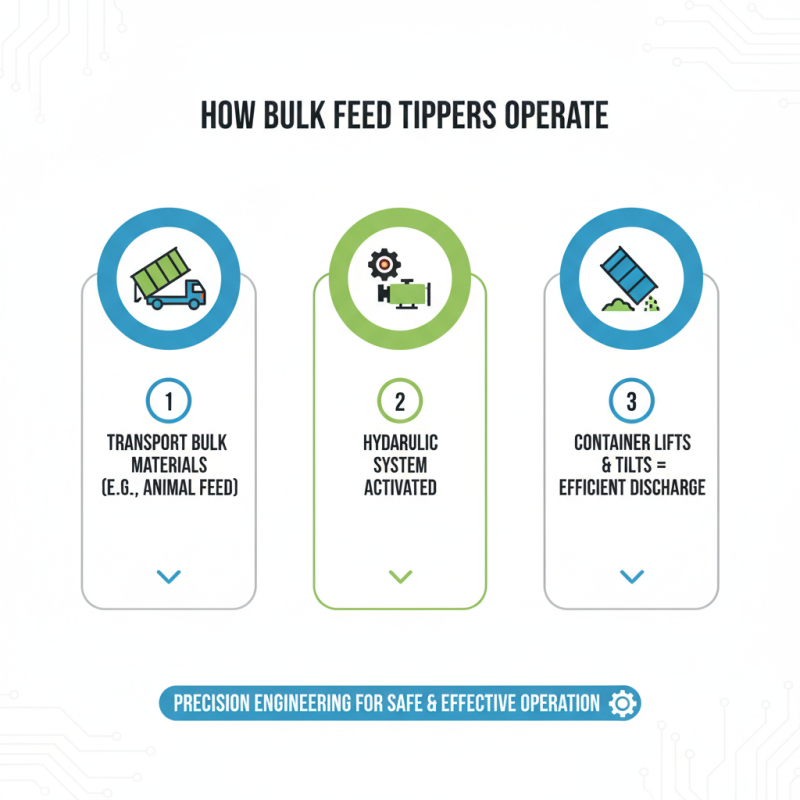
The operation of a bulk feed tipper is fairly simple. Once the feed is loaded into the hopper, it is transported to the tipping point. The mechanism tilts the hopper, allowing the feed to slide or fall out. This reduces the risk of spillage and waste. Many farmers appreciate this efficiency, but some may find it challenging to maintain proper calibration. Regular inspections and adjustments can help prevent issues, such as improper unloading.
While bulk feed tippers improve productivity, they require careful attention. Operators must ensure that the equipment is suited for the specific feed type. Mismanaged loading or unloading can lead to feed contamination, affecting animal health. Training is essential for ensuring that all operators understand the equipment's capabilities and limitations.
What is Bulk Feed Tipper and How Does It Work?
| Feature |
Description |
Benefits |
| Design |
Typically made of durable materials like steel or aluminum to withstand heavy loads. |
Enhanced durability ensures long-term usage without frequent repairs. |
| Capacity |
Can handle large volumes of feed, often ranging from 10 to 30 tons. |
Increased efficiency in transporting feed reduces time and labor costs. |
| Operation |
Mechanically operated, typically with hydraulic lift systems for tipping. |
Smooth operation minimizes worker strain and speeds up the unloading process. |
| Maintenance |
Requires regular inspections and lubrication of moving parts. |
Proper maintenance increases safety and operational reliability. |
| Safety Features |
Includes safety guards and emergency shut-off systems. |
Enhances operator safety and reduces accident risks during operation. |
Key Components of a Bulk Feed Tipper
A bulk feed tipper is a crucial piece of equipment in agriculture and food production. It facilitates the efficient transfer of bulk feed. Key components of a bulk feed tipper include the chassis, hydraulic system, and tipping mechanism.
The chassis supports the entire structure and is designed to withstand heavy loads. Generally made from high-strength steel, it provides durability and stability. The hydraulic system operates the tipping action. This system can exert considerable force, critical for safely unloading heavy feed. Reports indicate that hydraulic systems can improve unloading efficiency by up to 30% compared to manual processes.
The tipping mechanism is where the magic happens. This component enables the bulk feed to tilt and discharge seamlessly. Proper maintenance is essential. Neglecting it can lead to mechanical failures and safety hazards. Regular inspections and timely repairs are vital.
Tip: Always check the hydraulic fluid levels before operation. Low levels can affect performance.
Monitoring the condition of the chassis is equally important. Signs of wear can indicate the need for replacement.
Understanding these components helps optimize bulk feed tipper usage. Efficient tipper operation can enhance productivity and save costs in the long run.
Bulk Feed Tipper Usage Statistics
Applications of Bulk Feed Tippers in Agriculture
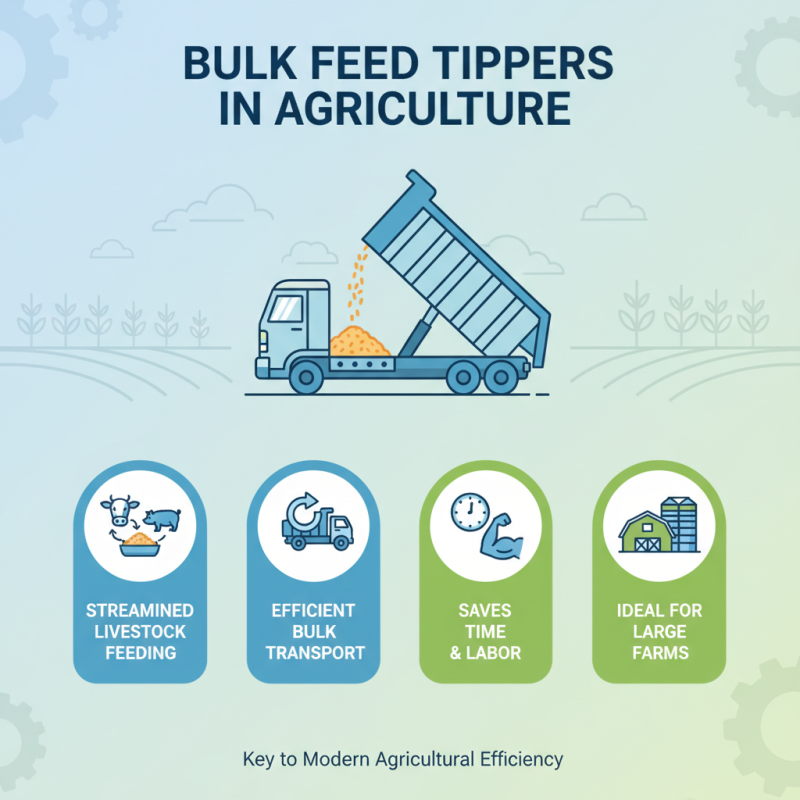
Bulk feed tippers play a significant role in modern agriculture. They streamline the feeding process for livestock. These machines transport bulk feed efficiently, ensuring animals receive their nutrients promptly. Farmers can save time and labor costs by using tippers. The ease of unloading feed makes them invaluable for large-scale operations.
In crop production, bulk feed tippers are equally essential. They assist in the quick transport of fertilizers and seeds. This technology allows farmers to apply nutrients more evenly across fields. Increased efficiency often leads to better crop yields. However, despite their advantages, some farmers are still hesitant. They may doubt the initial investment required for such equipment. Addressing these concerns with proper education can help alleviate fears.
Moreover, maintenance of bulk feed tippers is vital. Regular checks ensure their efficient operation and longevity. Neglecting this aspect can lead to costly repairs and downtime. Proper training for operators is also necessary. This ensures safety and maximizes the equipment’s potential. Each farm can benefit from finding the right balance between technology and traditional methods.
Benefits of Using Bulk Feed Tippers for Feed Handling
Bulk Feed Tippers are essential equipment in the agricultural and livestock industries. Their design allows for efficient and safe unloading of bulk feed materials. This technology reduces the risk of waste and ensures that livestock receive the appropriate nutrition.
One significant benefit of using Bulk Feed Tippers is the efficiency in feed handling. According to industry reports, these tippers can improve unloading speed by up to 30%. This translates to lower labor costs and quicker turnaround times. The reduction of manual handling minimizes human error and enhances feed quality.
Tips: Regular maintenance of your Bulk Feed Tipper is essential. Check hydraulic systems and ensure they function smoothly. This can reduce unexpected downtimes.
Moreover, using Bulk Feed Tippers can help mitigate dust pollution. Many reports indicate that dust emissions from feed handling are a key concern in feedlots. These tippers can help contain dust, promoting a healthier environment for both workers and animals.
Tips: Ensure proper sealing on your feed storage to prevent contamination. Regularly assess feed quality to ensure it meets the nutritional needs of livestock.