How to Choose the Right Layer Egg Equipment for Your Farm?
When selecting the right Layer Egg Equipment for your farm, you must consider various factors. Renowned expert Dr. Emily Richards emphasizes, "Investing in quality equipment is essential for maximizing production." Choosing the right tools can directly impact your farm's efficiency and egg quality.
Layer Egg Equipment comes in many forms, from nesting boxes to egg handling systems. Each component plays a crucial role in the overall operation. Farmers often overlook the importance of matching equipment to their specific needs. This oversight can lead to inefficiencies and lost profits.
Furthermore, not every piece of equipment will work for every farm. It's important to assess your farm's layout, flock size, and production goals. Reflecting on these aspects will ensure better choices. Since the market is filled with options, seeking expert advice can help refine your decisions. The right Layer Egg Equipment can significantly enhance your farming success if chosen wisely.
Understanding Layer Egg Production Needs for Your Farm
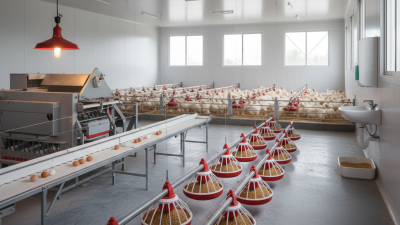
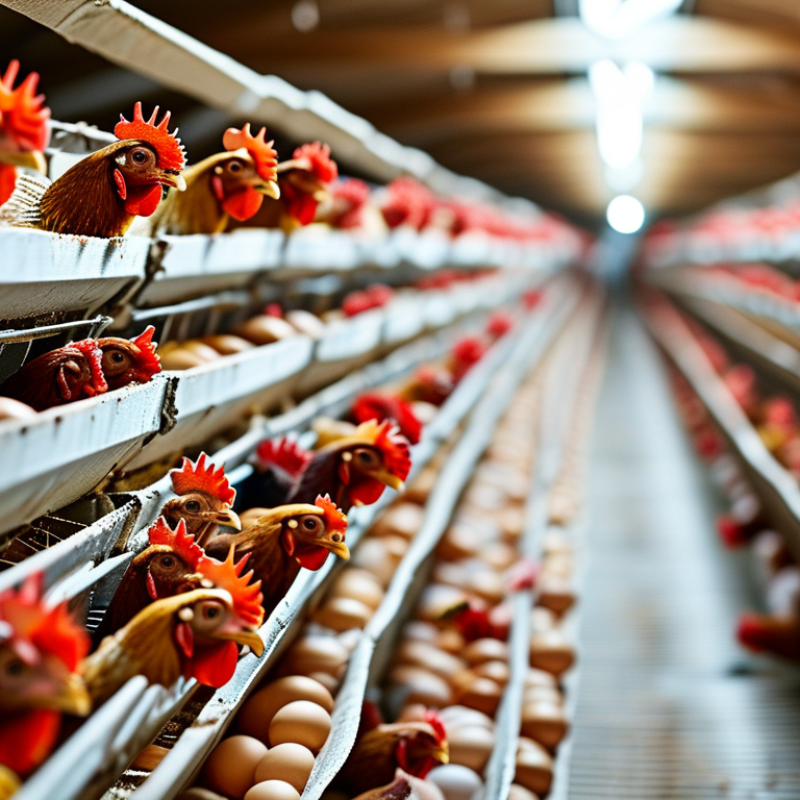
When considering layer egg production for your farm, understanding specific needs is crucial. Factors such as climate, space, and flock size play an essential role. A suitable layer house must provide adequate ventilation and lighting. This ensures hens stay healthy and maintain optimal egg production.
Assess your farm's resources before making equipment choices. For example, consider the water supply. Hens require constant access to clean water for maximum productivity. Also, think about feed storage. Properly stored feed will prevent waste and spoilage.
It is important to reflect on past production challenges. Have you dealt with issues of overcrowding or inadequate housing? Identifying these problems helps make informed decisions moving forward. Opting for equipment that meets your needs can enhance efficiency. However, remember that no system is flawless. Regular assessments are essential for sustained success.
Identifying Different Types of Layer Egg Equipment Available
When selecting layer egg equipment for your farm, it's essential to understand the various types available. Key systems include conventional cages, enriched cages, and free-range systems. According to the World Poultry Science Association, 70% of egg production globally occurs in conventional systems. However, enriched cages are gaining popularity, offering more space and better welfare for hens.
Advanced automated systems also play a crucial role. These include feeding, drinking, and egg collection systems that enhance productivity. A report by Rabobank indicates that automation can increase egg production efficiency by up to 25%. Yet, the initial investment can be significant and may deter some farmers. There are also concerns regarding maintenance requirements and the need for technical expertise.
It’s important to consider the farm's specific needs and goals. Factors such as flock size, resources, and market demand significantly impact the choice of equipment. Misalignment between chosen equipment and farm operations can lead to inefficiencies. Regular evaluations and adjustments are key to optimizing performance and ensuring animal welfare standards are met. Balancing efficiency with ethical practices is not straightforward. Many producers are still navigating these complex choices.
Evaluating Equipment Based on Farm Size and Capacity Requirements
When evaluating egg-laying equipment for your farm, consider your operational size. A small-scale farm might prioritize basic equipment that suits limited space and budget. Options like manual nest boxes are simple yet effective. They can maintain egg quality without high initial costs. This approach can also reduce maintenance needs, allowing farmers to focus on other tasks.
For larger farms, the requirements shift significantly. High-capacity systems, like automated egg collection devices, enhance efficiency. They can handle larger volumes, saving time and labor costs. However, these systems often require a substantial investment. Farmers must reflect on their production goals and whether such an investment aligns with them. Including features like temperature control may also be beneficial, ensuring the eggs remain viable post-collection.
Understanding your farm's specific needs is vital. Consider factors like egg production rates, storage capacity, and labor availability. The equipment should not only fit today's demands but also allow for future growth. It's crucial to choose equipment that can adapt as your farm evolves. This decision can have long-term implications on your productivity and profitability.
Layer Egg Equipment Selection Based on Farm Size and Capacity
Considerations for Budget and Investment in Layer Egg Equipment
When selecting layer egg equipment for your farm, budget is a key factor. A well-planned investment can lead to long-term success. Start by analyzing your production capacity. Determine how many layers you plan to raise. This will help you decide on the scale of equipment needed.
It's crucial to balance quality and cost. Investing in cheaper equipment may seem tempting, but it could lead to higher maintenance costs later. Look for options that provide good durability and efficiency. Also, consider the energy consumption of the equipment. Higher efficiency can result in lower operational costs over time.
Tips: Always account for hidden costs in your budget. Installation and training expenses can add up quickly. Research different types of systems. Some may require more water or feed, impacting your overall budget. Regularly review your investments to ensure they meet your farm’s evolving needs. Prioritize reliable suppliers who offer support and warranties. This can minimize delays and breakdowns, saving you money.
Maintenance and Support for Layer Egg Equipment Selection
Selecting the right layer egg equipment requires a thorough understanding of maintenance and support. Regular maintenance is crucial to ensure the longevity of your equipment. A study by the Food and Agriculture Organization (FAO) highlights that poorly maintained equipment can reduce egg production by up to 18%. This alarming statistic underscores the importance of routine checks and servicing.
Operators should implement a preventative maintenance schedule. This includes frequent inspections of feeders, waterers, and egg collection systems. Breakdowns can lead to significant productivity losses. Data from industry reports indicate that downtime due to mechanical failure can cost farms thousands of dollars per day. Training staff on proper usage and care is essential to minimize risks.
Support from experienced professionals is a key component in the selection process. Research shows that farms with access to technical support report a 25% increase in productivity. However, many farmers underestimate the significance of this support. Engaging with experts can help solve complex issues before they escalate. Quality equipment alone is not enough without the backing of reliable maintenance strategies. Balancing equipment investment with ongoing support is fundamental for successful egg production.