Top 10 Bulk Feed Tippers for Efficient Material Handling?
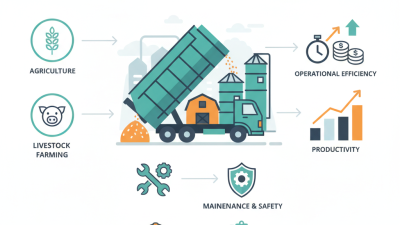
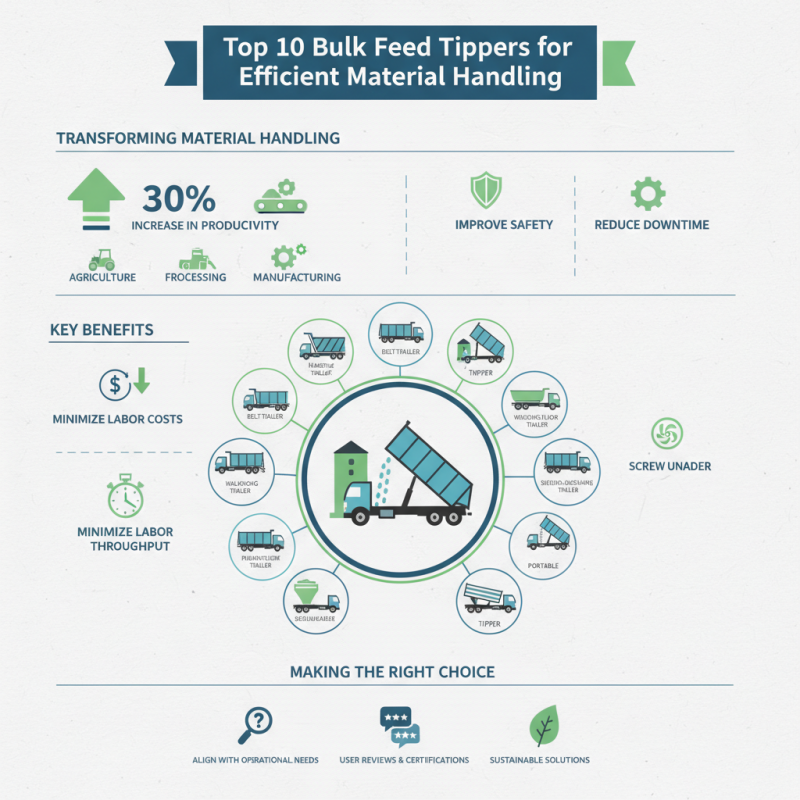
The use of Bulk Feed Tippers has transformed material handling in various industries. According to recent industry reports, the efficient transfer of bulk materials can improve productivity by over 30%. This efficiency is crucial in sectors like agriculture, food processing, and manufacturing, where large volumes of materials are handled daily.
Bulk Feed Tippers play a vital role in minimizing labor costs and maximizing throughput. Their design helps streamline operations. Many companies experience reduced downtime due to improved unloading capabilities. However, not all tippers are created equal. It’s essential to choose models that align with specific operational needs. For instance, the right tipper can prevent material spillage and improve safety on the job site.
As more businesses seek sustainable solutions, the demand for advanced Bulk Feed Tippers is on the rise. While there are numerous options available, making an informed choice is crucial. User reviews and industry certifications can help guide this decision, ensuring reliability and performance. The right equipment can make all the difference in achieving efficient material handling.
Understanding Bulk Feed Tippers: Key Features and Benefits
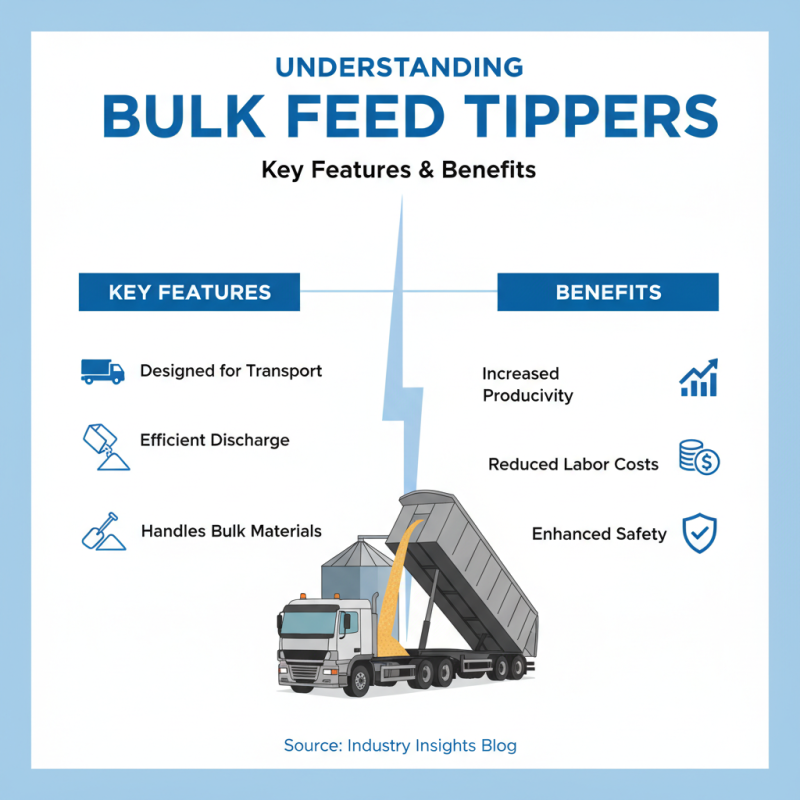
Bulk feed tippers play a crucial role in material handling for various industries. These machines are designed to transport and discharge bulk materials efficiently. Understanding their key features helps businesses choose the right model. The main benefits include increased productivity, reduced labor costs, and enhanced safety during operations.
One key feature is the tipping mechanism. It allows for quick unloading of materials without manual intervention. This speeds up the entire process significantly. Safety features, like emergency stops and overload protection, are essential. They ensure that operators can work without fear of accidents. Another benefit is their versatility. They can handle different materials, from grains to aggregates.
Tips for choosing the right bulk feed tipper include assessing the size and type of materials you need to handle. Consider the loading height and space available for operation. Evaluate the tipping angle and capacity to ensure it fits your needs. Regular maintenance of the tipping mechanism is vital. It ensures longevity and reliability. A well-maintained machine provides consistent performance and reduces unexpected downtimes.
Types of Bulk Feed Tippers: Differentiating Designs and Applications
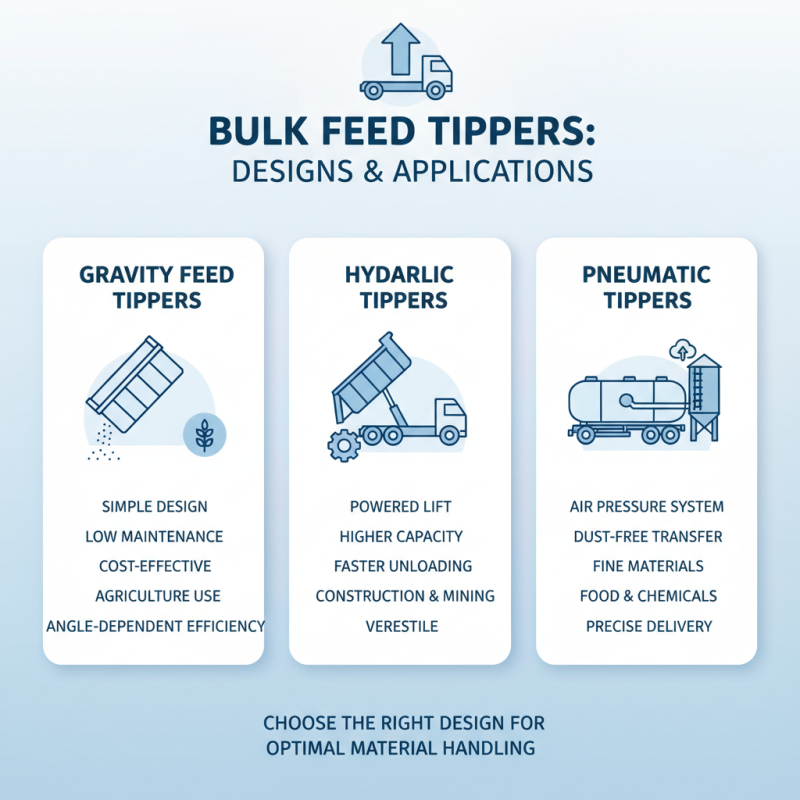
Bulk feed tippers come in various designs, each suited for specific applications. Understanding the differences is crucial for efficient material handling. For instance, gravity feed tippers are simple and cost-effective. They require minimal maintenance and are popular in industries like agriculture. However, their efficiency can be limited by the angle of operation.
Pneumatic tippers, on the other hand, provide a different approach. They utilize air pressure to unload materials quickly. This type is ideal for handling fine powders and granulated products. Yet, their complexity might lead to higher operational costs and increase the need for skilled operators.
Each design offers unique features. Consider the ease of loading and unloading as key factors. Some tippers include adjustable height settings, while others might not. Analyzing these details ensures that you choose the right tipper for your needs. Choosing the wrong type can lead to delays or increased operational risks. This reflection is vital in optimizing your material handling process.
Top Brands in Bulk Feed Tippers: A Review of Industry Leaders
When it comes to bulk feed tippers, choosing the right equipment is essential for efficient material handling. These machines play a crucial role in various industries, including agriculture and manufacturing. Many companies specialize in producing high-quality tippers, ensuring reliability and durability. The best brands focus on enhancing user experience through innovative designs and advanced technology.
Users should consider several key features when evaluating different brands. Look for models that offer easy operation, robust construction, and efficient unloading capabilities. Safety features are also important. Regular maintenance practices can help prolong the lifespan of these machines. Some users report issues with parts wearing out faster than expected, leading to downtime. This highlights the importance of investing in reliable machinery and paying attention to reviews.
In the quest for the best tippers, cost is always a factor. Some brands may produce cheaper alternatives, but they often compromise on quality and performance. It’s worth reflecting on whether short-term savings outweigh long-term reliability. Evaluating industry leaders allows potential buyers to make informed decisions, ensuring that they invest in equipment that will meet their operational needs effectively.
Top 10 Bulk Feed Tippers Efficiency Comparison
Efficiency Factors: How to Choose the Right Feed Tipper for Your Needs
When choosing the right feed tipper, efficiency is key. Consider factors like capacity, material type, and operational speed. A well-designed feed tipper enhances productivity while ensuring safety. Knowing your specific needs can save you time and resources in the long run.
Tips: Assess the load capacity carefully. Too much weight can strain machinery. Evaluate the materials you're handling. Different tippers are optimized for various substances.
Additionally, think about the space where the feed tipper will operate. Tight areas require compact models. Remember, an efficient feed tipper can significantly reduce downtime. However, maintenance and user training are equally vital. Neglecting these aspects can lead to inefficiencies.
Tips: Regular maintenance checks mitigate unexpected breakdowns. Create a training program for all users. An informed team operates safer and more efficiently. Prioritize finding a balance between technology and usability for maximum effectiveness.
Maintenance Tips for Bulk Feed Tippers: Ensuring Longevity and Performance
Bulk feed tippers are essential for efficient material handling in various industries. Maintenance is critical for ensuring their longevity and optimal performance. Regular inspections can prevent downtime and costly repairs. According to a recent industry report, up to 30% of equipment failures stem from neglecting maintenance schedules.
One vital tip is to regularly check hydraulic fluids and replace them as needed. Clean hydraulic filters routinely to maintain efficiency. Keeping the tipping mechanism well-lubricated can extend its lifespan significantly. Another area to focus on is the overall structure. Look for signs of wear and tear, especially at connection points where stress occurs frequently.
Weight distribution plays a key role in the tippers' performance. Overloading can lead to mechanical failures and safety hazards. The ideal weight should not exceed manufacturer recommendations by more than 10%. Operators should be trained to manage loads effectively. Poor loading techniques can damage the machinery and impact productivity. Small adjustments can make a big difference in operational efficiency.