How to Choose the Best Livestock Equipment for Your Needs?
When selecting the best livestock equipment, understanding your specific needs is critical. According to Dr. Sarah Thompson, an expert in agricultural technology, “Choosing the right equipment can greatly enhance productivity on the farm.” This statement underscores the importance of making informed decisions.
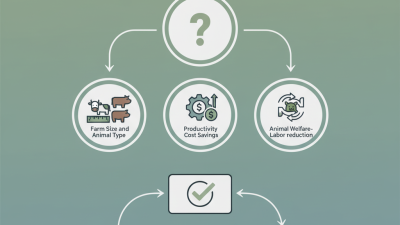
The livestock equipment market offers a wide range of products. From feeders to automated handling systems, each item has its unique function. However, not all equipment is suitable for every operation. Farmers must evaluate their requirements carefully. Assessing factors such as herd size and specific livestock types can aid in making the correct choice.
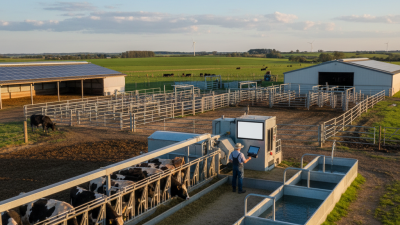
Additionally, technology plays a vital role. New advancements improve efficiency and animal welfare. Yet, it can be overwhelming to navigate these options. Some products may not deliver the promised results. Therefore, seeking advice from industry professionals can prove beneficial. Investing time in research often leads to better outcomes. Remember that even slight miscalculations can have significant impacts on farm sustainability.
Understanding Your Livestock Needs and Production Goals
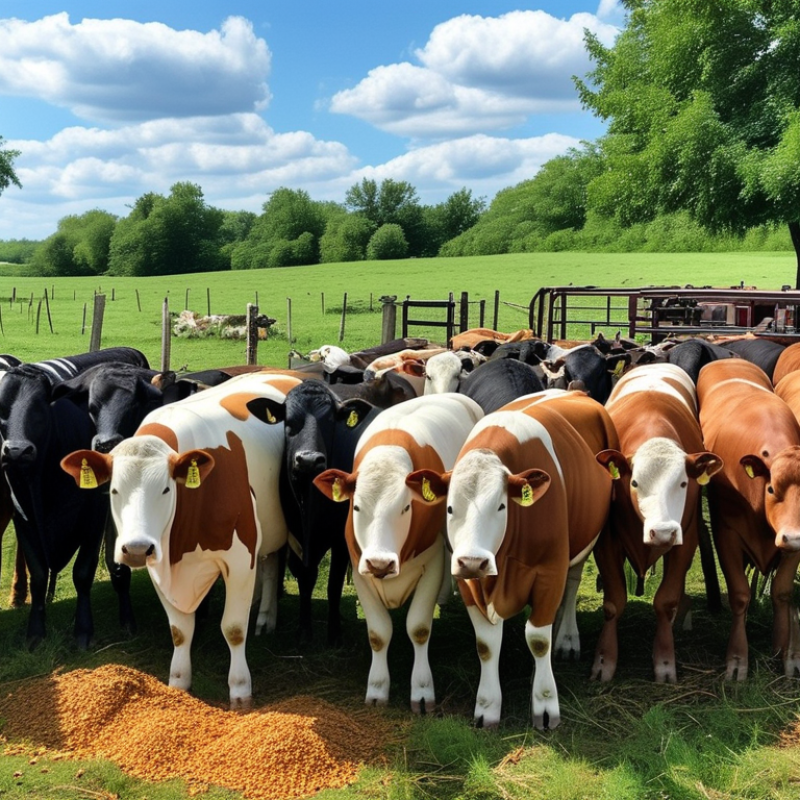
Understanding the specific needs of your livestock is crucial for choosing the right equipment. Analyze the type of animals you have. For instance, cattle, sheep, and poultry all have unique requirements. Assess their space needs, feeding habits, and health considerations. Equipment that works for one type of livestock may not suit another. Pay attention to the age and size of your animals as well.
Production goals play a significant role in equipment selection. Determine whether you aim for meat, milk, or wool production. This will guide your decisions on feeding systems, housing, and handling tools. Consider the growth stages of your livestock. Young animals may need different setups than mature ones. Reflect on your past experiences too. What worked? What didn’t? This reflection can fine-tune your choices.
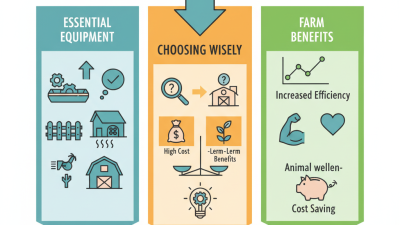
It is vital to prioritize quality. Durable and reliable equipment can make a difference. However, it’s also essential to evaluate cost versus benefit. Sometimes, the most expensive option may not be the best fit. Aim for a balance between quality and practicality based on your unique circumstances. This approach will help ensure that your livestock thrive and meet your production needs effectively.
Assessing Different Types of Livestock Equipment Available
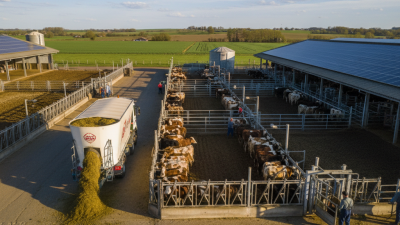
When assessing different types of livestock equipment, consider your specific needs. Equipment varies widely, depending on the type of livestock. For instance, cattle may require larger feeders and water troughs, while poultry need coops and egg handling systems. The primary focus should be on efficiency and animal welfare.
Take time to evaluate the durability of materials. Steel and high-density plastic often perform well under harsh conditions. However, some equipment can rust or wear out quickly. Don't overlook maintenance needs; regular checks can prevent costly repairs. Given the fluctuating costs, budgeting wisely is crucial.
Also, think about space and layout. Equipment should fit comfortably within your facilities. Avoid overcrowding; it may stress your animals and create accidents. It's valuable to consult with experienced farmers or equipment experts to gain insights. Their firsthand experiences can provide guidance that online resources often lack.
How to Choose the Best Livestock Equipment for Your Needs? - Assessing Different Types of Livestock Equipment Available
| Equipment Type |
Purpose |
Material |
Price Range ($) |
Maintenance Frequency |
| Livestock Feeders |
Feeding animals |
Metal/Plastic |
100-500 |
Monthly |
| Water Troughs |
Watering animals |
Plastic/Concrete |
150-600 |
Weekly |
| Fencing |
Restricting animal movement |
Wood/Metal |
200-1000 |
Annually |
| Cattle Chutes |
Health checks and treatments |
Steel |
1200-5000 |
As needed |
| Hay Balers |
Harvesting and packing hay |
Metal |
2500-15000 |
Seasonally |
Evaluating Quality and Durability in Livestock Equipment
When evaluating livestock equipment, quality and durability are key factors. Investing in sturdy equipment can prevent frequent replacements and save money in the long run. Look for materials that can withstand harsh weather and heavy use. Stainless steel and high-grade plastics are often reliable choices for outdoor conditions.
Consider the specific needs of your livestock. Equipment that suits cows may not work for chickens. Assess the wear and tear based on your livestock's behavior. For example, if animals tend to chew or scratch, choose robust designs. This focus helps you prevent losses caused by equipment failures.
Pay attention to user reviews and industry standards. Testimonials from farmers can highlight strengths and weaknesses. Incorporate feedback from real-world experiences. This method enriches your decision-making process. Evaluate whether the equipment has a warranty. A good warranty indicates the manufacturer's confidence in quality. It can also offer peace of mind for users.
Comparison of Livestock Equipment Durability Ratings
This chart shows the durability ratings for various types of livestock equipment, helping you assess quality and make informed decisions.
Budget Considerations for Purchasing Livestock Equipment
When considering livestock equipment, budget plays a critical role in the decision-making process. Investing wisely can make a substantial difference in the operational efficiency of a farm. According to the USDA, nearly 20% of a farmer's budget is allocated to equipment expenses. This makes it imperative to carefully evaluate options based on both initial costs and long-term ROI.
Research shows that upfront costs can often overshadow future savings from efficiency and durability. For example, higher-quality equipment may have a higher initial price, but it often results in lower maintenance costs and better performance over time. A study by the Agricultural and Applied Economics Association indicated that investing in reliable livestock handling equipment leads to a decrease in labor costs by up to 15% over five years.
Keep in mind that budgeting isn’t only about the purchase price. Operational costs also include repairs, fuel, and labor associated with equipment. Review your farming needs to determine the scale of investment. Finding the right balance between quality and cost can be daunting and may require adjustments along the way. A thorough analysis can help mitigate the risk of over-investing in equipment that doesn’t serve your specific needs.
Maintenance and Support Services for Livestock Equipment
When it comes to livestock equipment, maintenance is often overlooked. Regular upkeep is essential to ensure operational efficiency. According to the American Society of Agricultural and Biological Engineers, proper maintenance can increase equipment lifespan by 30%. This statistic highlights the importance of developing a robust maintenance schedule to reduce unexpected downtimes.
Support services are equally critical. Many farmers find themselves without access to immediate help when equipment malfunctions. A recent industry survey revealed that 60% of livestock producers experienced equipment failures that led to production losses. Having a reliable support service can mitigate these risks. Routine checks and quick response times often make the difference between profit and loss.
Additionally, choosing equipment that comes with comprehensive support services can simplify your operation. It's not just about buying quality equipment. Understanding the maintenance and support framework surrounding it is vital. Some manufacturers offer online tutorials and on-site training. This can be particularly beneficial for new users. Engaging with available resources enhances knowledge and reduces reliance on external repairs. However, many might overlook these advantages in favor of initial costs. Reflection on long-term value is necessary.