Top 10 Essential Livestock Farming Equipment You Need Today
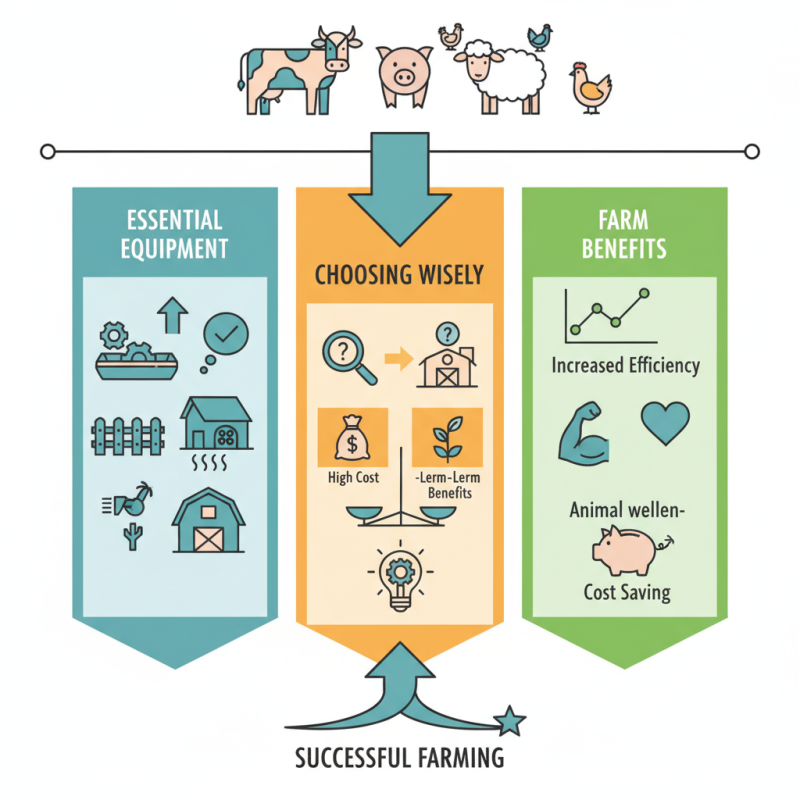
In today’s fast-paced agricultural landscape, having the right Livestock Farming Equipment is crucial for success. This equipment not only increases efficiency but also ensures the well-being of your animals. From feeding systems to fencing materials, each tool plays a vital role in daily farm operations.
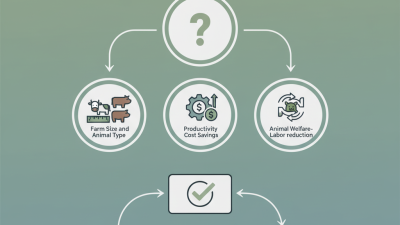
However, choosing the right tools can feel overwhelming. Many farmers might rush into buying equipment without fully understanding their needs. Investing in quality Livestock Farming Equipment can lead to long-term benefits. But, it’s essential to assess your farm's unique requirements before making a purchase.
The right equipment enhances productivity but comes with challenges. You may face high initial costs and ongoing maintenance. It's vital to balance these aspects with careful planning. Knowing what you truly need can prevent unnecessary spending and improve farm management in the long run.
Top 10 Essential Livestock Farming Equipment You Need Today
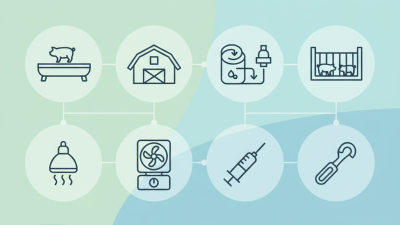
In livestock farming, having the right equipment is crucial. Essential gear can enhance productivity and streamline daily tasks. One of the key pieces of equipment is the feed mixer. It ensures animals receive a balanced diet, improving their health and growth. Furthermore, automatic waterers are a game-changer. They provide a continuous water supply, so livestock stays hydrated without extra labor.
Another must-have is livestock handling equipment. This includes gates and panels that allow for safe movement. They prevent stress for both the farmer and the animals. Manure spreaders are also vital. They reduce waste buildup, improving soil health, but they require regular maintenance. This equipment might seem basic, yet it plays a significant role in the farm’s overall efficiency. Keeping everything in working order is essential and sometimes overlooked.
Investing in robust fencing is equally necessary. Strong fencing keeps livestock secure and minimizes losses. Yet, it’s an area where farmers often face challenges, like wear and tear over time. Each piece of equipment presents an opportunity for improvement. Routine checks and reflections on what works well will enhance the farming operation.
Understanding the Role of Livestock Farming Equipment in Economic Sustainability
In livestock farming, equipment plays a crucial role in promoting economic sustainability. Proper tools can improve efficiency, leading to better productivity. For instance, feeding systems automate the distribution of feed, reducing waste and labor costs. This allows farmers to optimize their resources and maximize profit.
Investing in high-quality equipment often proves beneficial in the long run. However, farmers must continually assess their equipment needs. Sometimes, older tools may require frequent repairs, which can drain finances. Reflections on these challenges can lead to better decision-making in equipment choices.
Having the right equipment also enhances animal health and welfare. Proper housing systems protect animals from harsh weather, reducing stress and illness. This not only leads to healthier livestock but also increases productivity, positively impacting the farm's economic viability. It's essential to evaluate both immediate costs and long-term benefits when selecting farming equipment.
Key Farming Equipment: An Overview of Market Trends and Insights
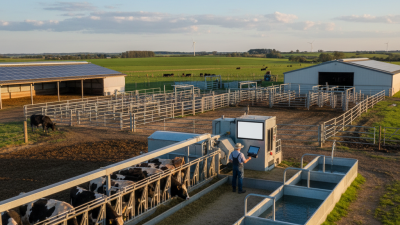
In modern livestock farming, choosing the right equipment is essential. Advances in technology have transformed how farmers manage their animals. Understanding market trends is vital for making informed decisions. Automated feeders, waterers, and barn cleaning systems are popular. They save time, increase efficiency, and ensure livestock welfare.
Using the right equipment can boost productivity. Farmers should regularly assess their needs and adapt to changes. For instance, temperature control systems help maintain ideal living conditions. Ignoring this can lead to stress in animals and reduced output. Investing in reliable equipment pays off in the long run.
Consider maintenance and repairs when selecting tools. Some farmers overlook these aspects, leading to unexpected costs. It's crucial to build a maintenance plan alongside equipment purchases. Regular checks can prevent breakdowns and extend equipment life. Investing in quality equipment is a decision that influences future profitability.
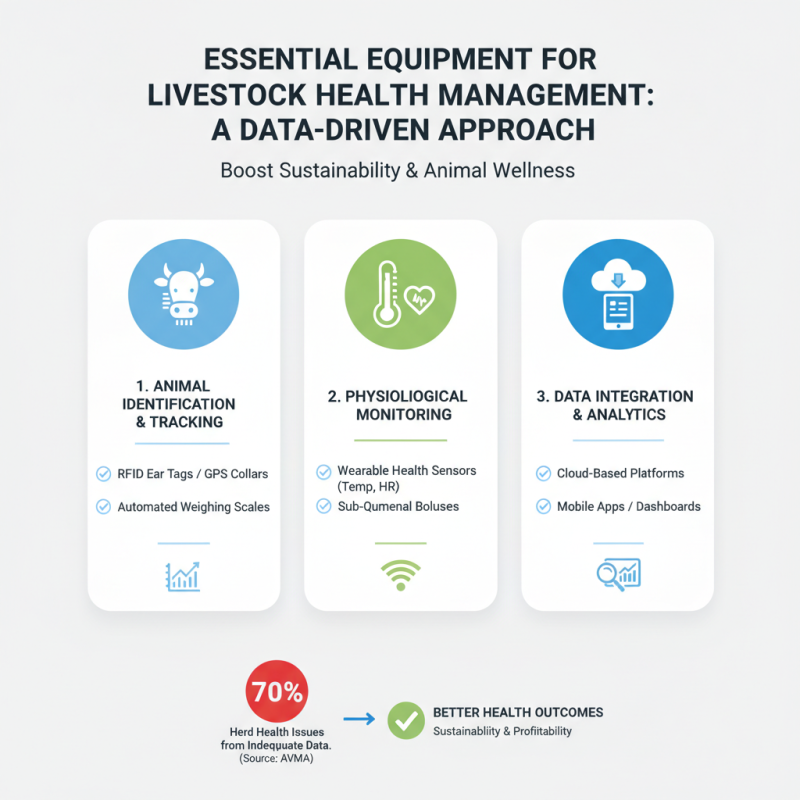
Essential Equipment for Livestock Health Management: A Data-Driven Approach
In livestock farming, health management is crucial for sustainability. A data-driven approach helps farmers track animal wellness effectively. According to the American Veterinary Medical Association, 70% of herd health issues arise from inadequate data monitoring. This highlights the need for reliable equipment that supports health management.
Basic equipment like weight scales and health monitoring devices play a significant role. Farmers can measure weight variations in livestock, aiding in early disease detection. Data from the National Institute of Animal Agriculture reveals that regular monitoring can reduce disease outbreaks by 50%. Yet, many farmers overlook the importance of precise data collection tools.
While technology is advancing, some equipment may still lack integration capabilities. Farmers can be hesitant to adopt these systems due to costs and complexity. Manual records may not capture the full picture, leading to potential health risks. Continuous training and awareness are essential for equipping farmers with the right data handling skills.
Innovations in Livestock Farming Equipment: Enhancing Productivity and Efficiency
Innovations in livestock farming are transforming productivity and efficiency. Recent data from the Global Agricultural Trends Report shows that smart farming technologies can improve output by 30%. These tools include automated feeders, precision watering systems, and health monitoring devices.
Drones are becoming popular for monitoring livestock health and land use. Their ability to cover large areas quickly provides farmers with vital information. This can prevent diseases before they spread. Likewise, data analytics plays a critical role. It helps farmers make informed decisions based on trends and patterns.
Tip: Regularly assess the efficiency of your current equipment. Outdated tools may hinder growth. Investing in new technologies can lead to better yields.
Another significant innovation includes mobile apps for livestock management. These allow farmers to keep track of inventory and track animal health regularly. Industry findings suggest that such apps can reduce labor costs by up to 25%. However, integrating technology requires careful planning and training.
Tip: Evaluate the integration process as you adopt new tools. Ensure your staff is well-trained to maximize efficiency. Mistakes made during this phase can lead to setbacks.
Top 10 Essential Livestock Farming Equipment You Need Today
This chart illustrates the importance index of the top 10 essential livestock farming equipment. Each piece of equipment plays a crucial role in enhancing productivity and efficiency within the farming operations.
Conclusion
The article "Top 10 Essential Livestock Farming Equipment You Need Today" highlights the critical role of Livestock Farming Equipment in promoting economic sustainability within the agricultural sector. It provides an overview of current market trends and insights, emphasizing that modern equipment is essential not only for enhancing productivity but also for ensuring livestock health management through a data-driven approach.
Furthermore, the article explores the latest innovations in livestock farming tools, showcasing how they can significantly improve efficiency on farms. A detailed cost-benefit analysis underscores the importance of investing in these technologies, suggesting that the right equipment can lead to long-term financial viability for farmers. Overall, the article serves as a comprehensive guide for those looking to optimize their livestock farming operations with essential equipment.