How to Choose the Best Bulk Feed Transport Vehicle for Your Needs?
Selecting the right Bulk Feed Transport Vehicle is crucial for any agricultural operation. The demand for efficient feed transportation is rising. According to a recent report by the Feed Industry Association, the bulk feed market will grow by 5% annually. This growth highlights the need for vehicles that can handle large volumes while ensuring feed quality.
A suitable Bulk Feed Transport Vehicle can significantly impact your logistics cost. The wrong choice may lead to increased expenses and delays. Many operators overlook maintenance requirements, which can affect vehicle performance. Regular data shows that vehicles with poor maintenance can decrease efficiency by up to 20%. It’s essential to balance capacity, durability, and cost.
When evaluating your options, consider specific needs. Are you transporting liquid or dry feed? The vehicle's design can affect how feed is loaded and unloaded. Investing in the right technology, like GPS tracking, can optimize routes and improve delivery times. These factors contribute to overall operational success. Remember, making the right choice in this area is not just an investment; it’s essential for your business's sustainability.
Understanding Your Bulk Feed Transport Needs
When selecting the right bulk feed transport vehicle, understanding your transport needs is crucial. Consider the volume of feed you typically transport. The average farmer moves between 50 to 100 tons of feed weekly. An optimal vehicle should accommodate these quantities efficiently. Analyze your routes too. Longer distances may require vehicles with better fuel efficiency and durability.
Evaluate the types of feed handled. Different feeds may require unique conditions. For example, some need climate control to maintain quality. Industry data indicates that nearly 30% of feed quality issues stem from improper transport conditions. Choosing a vehicle with adjustable features can mitigate these risks. Reflect on weight limits as well. Overloading can lead to legal and safety issues.
It's vital to assess your long-term needs. A vehicle that works today might not suit future growth. Truck telematics show that businesses can reduce transport costs by 15% through efficient routing and proper vehicle choice. Investing in a versatile and reliable transport vehicle ensures sustained operations. Understanding these factors can help in making a well-informed decision, ultimately improving your transport efficiency.
Types of Bulk Feed Transport Vehicles Available
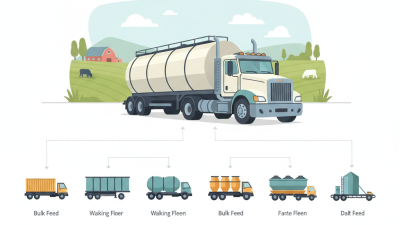
When selecting a bulk feed transport vehicle, understanding the various types available is crucial. The primary categories include hopper trucks, pneumatic tankers, and belt trailers. Each of these serves specific needs. For instance, hopper trucks are commonly used for granular materials. They typically feature a large cargo capacity and can unload quickly, making them efficient for farms and distribution centers.
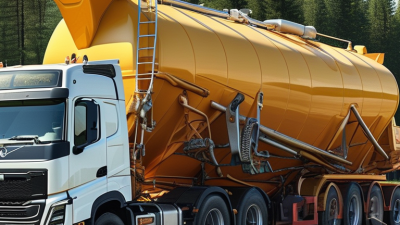
Pneumatic tankers are designed for transporting powdered feeds. They utilize air pressure to move materials, ensuring minimal dust and spillage. According to a recent industry report, pneumatic transport accounts for nearly 25% of bulk feed transport methods due to its efficiency in handling fine particles. This type of vehicle is especially useful in areas where maintaining feed quality is critical.
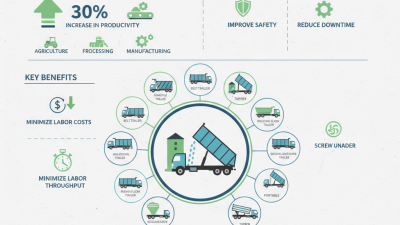
Belt trailers provide another option, particularly for bulk grains and seeds. They are versatile and allow for quick loading and unloading. However, they may not be as weather-resistant as other types. An analysis by Ag Equipment Database showed that choosing the right vehicle can enhance operational efficiency by up to 30%. Making deliberate choices ensures that your bulk feed transport aligns with your specific requirements, whether it's speed, capacity, or material type.
Key Features to Consider in a Transport Vehicle
When choosing a bulk feed transport vehicle, focus on features that enhance efficiency and safety. Capacity is crucial. Determine the volume of feed you transport regularly. Make sure the vehicle can handle your needs without compromising structure. Additionally, the weight rating affects fuel efficiency and legal compliance.
Consider the type of material used for the vehicle’s body. Durable materials like aluminum and steel provide longevity. Reflect on how often your vehicle will face harsh conditions. A weather-resistant design can reduce maintenance. Look at the loading and unloading systems as well. Efficient mechanisms save time and minimize operator fatigue.
Evaluate the vehicle's maneuverability. Tight spaces and rough terrains can pose challenges. A vehicle with appropriate dimensions and turning radius is essential. Maintainability is another key feature. Accessibility for repairs and routine checks impacts overall reliability. Regular maintenance prevents unexpected downtime and costly repairs. With proper consideration of these features, you can select a transport vehicle tailored to your operational needs.
Evaluating Cost and Efficiency Factors
When selecting a bulk feed transport vehicle, evaluating cost and efficiency is crucial. Various factors influence the overall expense, from initial purchase price to maintenance costs. Assessing fuel efficiency can save money in the long run. A well-chosen vehicle minimizes fuel consumption while maximizing load capacity. Look for options that offer these benefits, as they provide significant value over time.
Operational efficiency is another essential factor. Examine how the vehicle performs under different conditions. Some vehicles handle rough terrains better, which is vital for rural transport. The reliability of a vehicle impacts not just delivery times, but also overall service quality. An unreliable vehicle can lead to unexpected expenses and losses in productivity.
Moreover, consider the total cost of ownership. It extends beyond the purchase price. Insurance, registration, and potential modifications should also factor into your decision. Reflect on how each cost aligns with your operational needs. A thorough analysis can uncover hidden expenses. Seeking expert advice can clarify these aspects and guide your choice, ultimately impacting your business's bottom line.
Maintenance and Safety Considerations for Vehicles
When selecting a bulk feed transport vehicle, maintenance and safety are pivotal. Regular maintenance can significantly reduce costly downtimes. According to industry data, well-maintained vehicles experience 30% fewer accidents. This statistic highlights the critical need for routine checks on key components like brakes and tires.
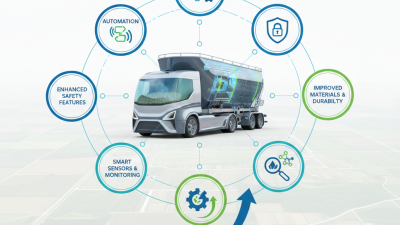
Safety features should not be overlooked. Many transport vehicles now come equipped with advanced safety tech, improving visibility and control. For example, rear-view cameras and automatic braking systems are becoming standard. These improvements contribute to a safer operating environment, especially in busy settings.
Moreover, driver training plays a crucial role. The National Safety Council reports that 40% of accidents involve inexperienced drivers. Investing in comprehensive training can enhance safety. Regularly updated training ensures that drivers are aware of the latest safety protocols. It’s essential to reflect on the human element in safety measures. It’s not just the vehicle; it's the team behind the wheel that makes the big difference.
How to Choose the Best Bulk Feed Transport Vehicle for Your Needs? - Maintenance and Safety Considerations for Vehicles
| Vehicle Type |
Capacity (Tons) |
Fuel Type |
Maintenance Frequency (Months) |
Safety Features |
| Flatbed Truck |
10 |
Diesel |
6 |
ABS, TCS |
| Tanker Truck |
15 |
Biodiesel |
12 |
Roll Stability, Fire Suppression |
| Dump Truck |
8 |
Gasoline |
4 |
Cameras, Load Sensors |
| Refrigerated Truck |
10 |
Diesel |
8 |
Temperature Monitoring, GPS |
| Livestock Trailer |
12 |
Diesel |
10 |
Ventilation, Emergency Exits |