Best Feed Transportation Vehicles for Efficient Global Supply?
In the ever-evolving landscape of global supply chains, the role of Feed Transportation Vehicles becomes increasingly critical. Experts emphasize their significance. John Thompson, a leading expert in agricultural logistics, once said, “The right feed transportation vehicles can make or break a supply chain.” This underscores the importance of choosing vehicles that ensure efficiency and reliability.
Modern Feed Transportation Vehicles are not merely about size or capacity. They integrate technology for tracking and monitoring. This innovation supports better supply chain management and reduces delays. However, the industry faces challenges. Many companies still rely on outdated vehicles, which can lead to inefficiencies. Transitioning to newer models may require substantial investment, posing a risk for some businesses.
Moreover, sustainability is a growing concern. The environmental impact of feed transportation must not be ignored. Choosing fuel-efficient vehicles can reduce carbon footprints. Yet, this requires a shift in thinking. It demands reflection on priorities. Ultimately, the goal is to enhance efficiency while maintaining ethical standards. Investing in advanced Feed Transportation Vehicles could pave the way for a more sustainable and robust future.
Best Feed Transportation Vehicles for Global Supply Efficiency
Efficient transportation of feed plays a vital role in global supply chains. Various types of vehicles cater to different needs, each bringing unique advantages and challenges.
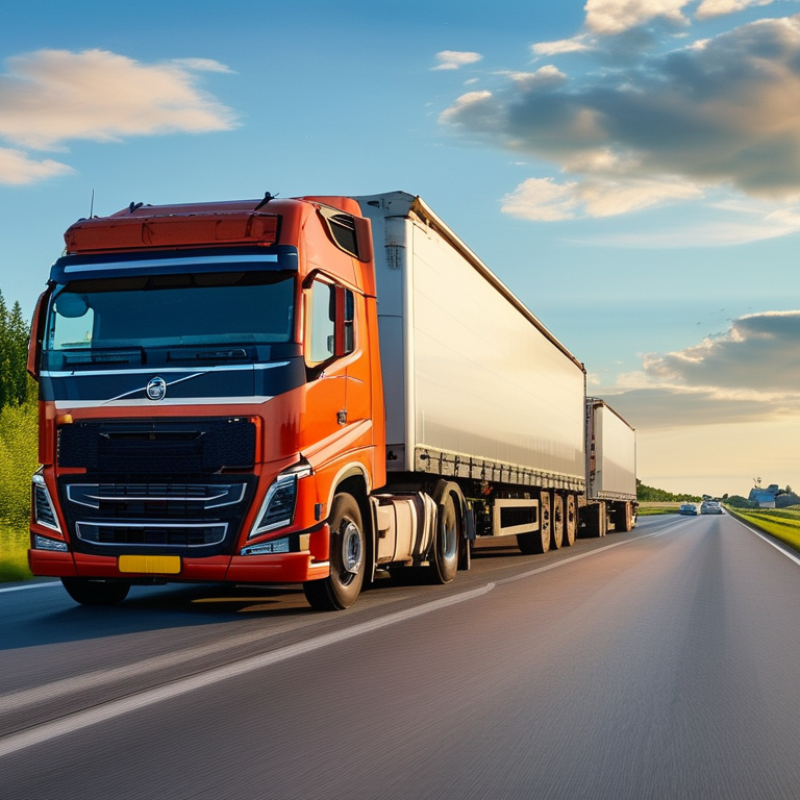
For bulk transport, large trucks with climate control can maintain feed quality. These vehicles reduce spoilage and ensure that nutrients remain intact during transit.
Rail transport offers a cost-effective solution for long distances. Trains can carry substantial loads, cutting down on overall transportation costs. However, this method requires access to rail infrastructure and can face delays.
Water transport is another option, especially for international shipments. Barges can carry large quantities, but loading and unloading may be time-consuming.
Choosing the right vehicle involves considering several factors, including distance, load size, and the type of feed. Each transport option has its limitations. Poor planning can lead to inefficiencies, causing delays in delivery schedules.
Decision-makers must weigh costs against potential spoilage risks. The pursuit of supply chain efficiency remains a continuous journey, requiring regular assessment and adaptation.
Key Specifications of Feed Transportation Vehicles for Optimal Performance
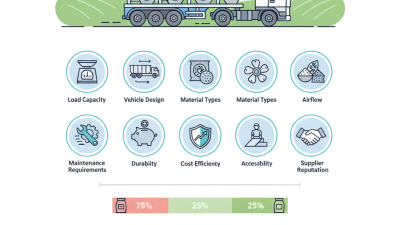
In the realm of global supply, choosing the right feed transportation vehicle is vital. Key specifications should highlight capacity requirements, loading efficiency, and fuel efficiency. When selecting a vehicle, consider its volume. A larger capacity means fewer trips, saving time and costs. However, overloading can lead to inefficiency. It’s crucial to strike a balance.
Payload distribution is another critical factor. Vehicles must distribute weight evenly. This promotes safety and enhances performance. Regular maintenance is essential to ensure optimal functionality. Check tire pressure and brake systems frequently. Neglecting these can lead to costly repairs and unsafe operations.
Material and build quality cannot be overlooked. Durability impacts long-term use and reliability. A vehicle made with superior materials offers better resistance to wear and tear. Moreover, fuel efficiency directly influences operating costs. High-efficiency engines may be more expensive upfront but lead to savings over time. It’s a worthy investment for many operators.
Comparative Analysis of Cost-Effectiveness in Feed Transportation Options
Feed transportation plays a crucial role in global supply chains, influencing both costs and efficiency. According to a report by the Food and Agriculture Organization (FAO), feed transport accounts for up to 40% of the total operational costs in livestock production. This pressing statistic urges stakeholders to closely examine the cost-effectiveness of different transportation methods.
Data from logistics studies reveal that rail transport remains one of the most economical options for bulk feed transportation, particularly over long distances. It offers lower per-ton costs compared to trucking. However, the initial infrastructure investment can be significant. On the other hand, road transport provides flexibility and faster delivery but often incurs higher fuel costs. It's a trade-off that needs careful consideration, especially for businesses operating on tight margins.
Moreover, emerging technologies such as digital supply chain platforms are optimizing feed logistics. These tools enhance route planning and improve overall efficiency. However, the adoption rate remains uneven within the industry. Some companies hesitate due to costs and training requirements. This reflection on current practices highlights areas for improvement in feed transportation strategies, fostering a more efficient global supply.
Innovative Technologies Enhancing Feed Transportation Efficiency
Efficient feed transportation is vital in the global supply chain. Innovative technologies are making significant strides in this area. For instance, a recent report by the International Feed Industry Federation noted that adopting automated vehicles could reduce transportation costs by up to 20%. These vehicles enhance precision in logistics and minimize delays.
Real-time tracking systems are another game-changer. They allow suppliers to monitor their shipments, ensuring timely delivery. According to a study by the Food and Agriculture Organization, these systems can improve delivery accuracy by 30%. This efficiency ultimately leads to fresher feed, benefiting livestock health.
**Tips:** Invest in training for staff on new technologies. Understanding these innovations is crucial for optimizing performance. Regularly assess your transportation strategies for opportunities to implement improvements. Reflect on past transportation issues to guide future decisions. Monitoring trends in feed transportation can reveal significant insights for sustainable practices.
Feed Transportation Efficiency by Vehicle Type
Sustainability Trends in Feed Transportation Vehicle Design and Usage
Sustainability in feed transportation vehicle design is increasingly pivotal in the global supply chain. Reports indicate that the agriculture sector is responsible for around 24% of global greenhouse gas emissions. As awareness grows, manufacturers are redesigning vehicles to incorporate eco-friendly materials and fuel-efficient technologies. For example, biofuels in a fleet can reduce CO2 emissions by up to 80%, according to several industry studies.
Electric and hybrid vehicles are gaining traction. They promise lower operational costs and reduced environmental footprints. Additionally, the implementation of GPS tracking can optimize routes, resulting in decreased fuel consumption. However, the transition is not without challenges. Many fleets still rely heavily on traditional fuels and inefficient designs. This highlights a need for ongoing investment and innovation.
Advancements in technology are essential but must be met with practical applications. Emerging data suggests that smart sensors can monitor vehicle performance in real-time, further contributing to sustainability goals. Yet, the industry faces hurdles such as high initial costs and the availability of charging infrastructure. Continuous research and dialogue are crucial to address these pressing concerns.
Best Feed Transportation Vehicles for Efficient Global Supply
| Vehicle Type |
Fuel Type |
Capacity (tons) |
Average Fuel Efficiency (mpg) |
CO2 Emissions (g/km) |
| Heavy-Duty Truck |
Diesel |
20 |
6.5 |
200 |
| Electric Van |
Electric |
1.5 |
N/A |
0 |
| Container Ship |
Marine Diesel |
2000 |
25 |
15 |
| Rail Freight |
Electric/Diesel |
100 |
N/A |
0.5 |
| Bicycle Cargo |
Human-Powered |
0.1 |
N/A |
0 |