Best Poultry Chicks Vehicle Options for Efficient Transport?
Efficient transport of poultry chicks is vital in the poultry industry. The right Poultry Chicks Vehicle can significantly improve chick health and reduce losses. According to the Global Poultry Research Report 2022, improper transport conditions contribute to over 25% mortality in chicks during transit.
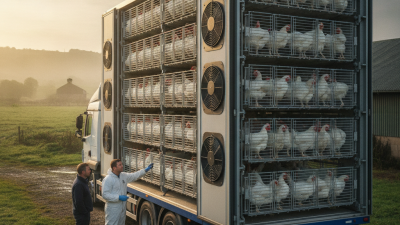
Dr. Emily Grant, a leading expert in poultry logistics, emphasizes that “the choice of vehicle impacts the welfare and survival of chicks.” Her research highlights how temperature control and ventilation are critical in minimizing stress on the birds. Selecting a suitable Poultry Chicks Vehicle involves understanding these needs.
Current market trends reveal a growing demand for specialized vehicles designed for poultry transport. However, many operations still rely on outdated methods. Investing in modern Poultry Chicks Vehicles can lead to long-term benefits. Observations show that effective transport methods lead to healthier flocks and higher productivity. Addressing these challenges is essential for industry advancement.
Understanding the Importance of Proper Transport for Poultry Chicks
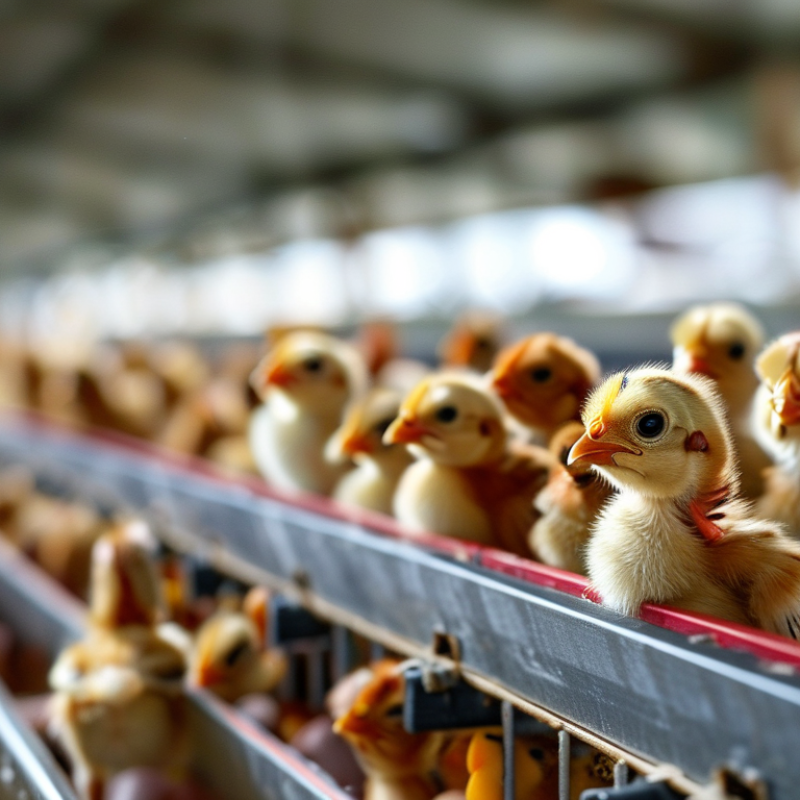
Transporting poultry chicks requires careful consideration to ensure their health and welfare during transit. Research shows that improper transport can lead to significant stress, affecting growth and mortality rates. For instance, a study highlighted that stress during transport can increase mortality by up to 10% in chicks. Efficient transport methods can mitigate these risks.
Temperature control and ventilation are key factors. Chicks are highly sensitive to extremes in temperature. A temperature range of 75-80°F is optimal for young chicks during transport. Additionally, proper ventilation can help maintain air quality. It's essential to monitor humidity levels as well, since high humidity can lead to respiratory issues. Using insulated and ventilated transport vehicles can help maintain these conditions effectively.
However, many producers overlook the importance of planning transport schedules. Delays can happen, and if they do, it is crucial to have backup plans. Ideally, transport should be scheduled during cooler parts of the day. Preparation is vital for reducing stress and ensuring that the chicks arrive healthy. Inadequate preparation can lead to higher mortality, wasting time and resources. Evaluating transport strategies regularly is essential for continual improvement.
Best Poultry Chicks Vehicle Options for Efficient Transport
The chart above illustrates the efficiency ratings for various poultry chick transport vehicle options. A higher rating indicates better suitability for safe and effective transport of poultry chicks, highlighting options like custom trailers and refrigerated trucks as the most efficient choices.
Types of Vehicles Suitable for Transporting Poultry Chicks
When transporting poultry chicks, choosing the right vehicle is crucial for their wellbeing. Not all vehicles are created equal. Small hatcheries often use custom-built vans or enclosed trailers. These options offer protection from temperature changes and predation.
Open-air trucks might seem convenient, but they expose chicks to harsh elements. This can lead to stress and illness. A climate-controlled van is ideal for longer journeys. It maintains a stable environment and ensures optimal airflow.
Tips: Always check for proper ventilation in your transport vehicle. It can make a significant difference in the chicks' comfort. Regularly monitor temperature and humidity levels to prevent overheating or excessive moisture. Choosing the right bedding material also helps absorb moisture and keeps the chicks safe during transport.
Key Features to Consider in Poultry Transport Vehicles
When considering poultry transport vehicles, several key features come into play.
Ventilation is essential. Proper airflow keeps chicks comfortable and reduces stress. Look for vehicles designed to maintain a stable temperature. Chicks are sensitive to heat and cold; extreme conditions can be detrimental.
The design of the vehicle also matters. It should have secure enclosures to prevent movement during transit. Overcrowding can cause injuries. Adequate space allows chicks to settle without panic. A sturdy build ensures durability. A reliable vehicle is needed for countless trips.
Regular maintenance is crucial as well. Check for wear and tear. This not only keeps the vehicle in good condition but also ensures the safety of the chicks. Reflecting on these features can help you identify the best options for efficient transport. Transporting poultry is a responsibility that should not be taken lightly.
Best Practices for Loading and Securing Chicks During Transport
Transporting poultry chicks requires careful preparation and practice. Ensuring the chicks are safe during transit is crucial for their welfare. According to the USDA, stress during transport can reduce their growth and health. Proper loading techniques can mitigate stress factors.
When loading chicks, use transport cages that allow for adequate ventilation. Ensure cages are not overcrowded. Studies have shown that overcrowding can lead to increased mortality rates. Optimal space allocation is vital; researchers recommend providing a minimum of 0.5 square feet per chick. Furthermore, securing the cages during transport is critical to avoid unnecessary movement and potential injuries.
Using appropriate bedding materials can also enhance comfort. Straw or paper-based products help absorb moisture and keep chicks warm. However, not all bedding materials are equally effective. Some may create dust or splinters, which can harm fragile chicks.
Regularly checking on the transport conditions and the chicks' welfare can lead to better outcomes. Even with the best practices, challenges remain in the transportation process, making continuous evaluation important for success.
Maintenance and Care for Optimal Performance of Transport Vehicles
Maintaining transport vehicles for poultry chicks is crucial for their health and safety. Regular inspections help identify issues before they escalate. Checking brakes, tires, and lights ensures the vehicle operates efficiently. These components are vital for safe delivery, especially on long journeys.
Cleaning the vehicle after every haul prevents germs from spreading. Residual feed or waste can attract pests, which poses a significant risk to chick health. It is essential to use safe and effective cleaning agents. Avoid harsh chemicals that can linger and affect the chicks.
Documenting maintenance routines can provide insights into performance trends. Keeping track of repairs helps in anticipating future needs. Reflection on past issues can foster better solutions. Learning from experience is the key to optimal transport operations. Investing time in both vehicle upkeep and operational efficiency pays off in the long run.