2026 Best Livestock Transport Vehicle Options for Buyers?
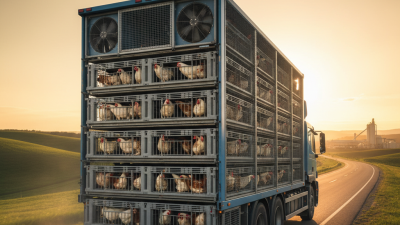
In the realm of livestock transport, choosing the right vehicle is critical for ensuring animal welfare and operational efficiency. The livestock transport vehicle industry is projected to grow, with a market value of over $1 billion by 2025. This growth highlights the increasing demand for innovative transport solutions. Experts emphasize the importance of functionality and safety in these vehicles. Dr. Sarah Mitchell, an industry expert, states, "The right livestock transport vehicle can significantly impact animal health and farm productivity."
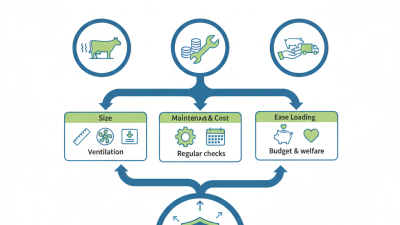
Selecting an appropriate livestock transport vehicle goes beyond just capacity and price. It involves considering vehicle design, ventilation, and loading facilities. Neglecting these factors may lead to stress and injury among animals. Some buyers focus solely on models offering the lowest initial cost, ignoring long-term benefits. The balance between affordability and quality is delicate yet crucial. Furthermore, emerging technologies in livestock transport vehicles promise better monitoring and communication systems.
As the market evolves, discerning buyers must reflect on their choices. Will they prioritize animal welfare alongside economic factors? It’s vital to engage with professionals and interpret evolving industry reports. Experts recommend thorough research before making purchasing decisions. In this dynamic landscape, informed choices can shape the future of livestock transport.
2026 Trends in Livestock Transport Vehicles: Innovations and Technology
The livestock transport industry is evolving rapidly with innovative technologies. As we look toward 2026, several trends emerge. Electric and hybrid vehicles are becoming popular choices. These vehicles offer reduced emissions, making them environmentally friendly. They also promise lower fuel costs, which is crucial for farmers. However, charging infrastructure may lag behind, creating challenges for long-distance travel.
Smart technology is another game changer. Many new vehicles are equipped with GPS tracking systems. This technology allows farmers to monitor livestock in real-time. It enhances animal welfare by ensuring they are comfortable during transport. Yet, the reliance on technology raises concerns about data security. Not every farmer has access to or understands these digital tools.
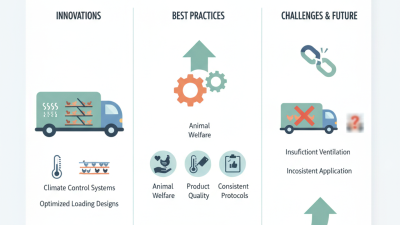
Safety features are becoming more sophisticated as well. Improved ventilation systems are now standard in modern trucks. These systems help regulate temperature and air quality. However, issues like maintenance and breakdowns can still occur. This highlights the need for regular check-ups and updates. As with any advancement, the balance between innovation and practicality remains a topic for discussion.
Key Specifications for Choosing Livestock Transport Vehicles in 2026
When choosing a livestock transport vehicle in 2026, buyers need to focus on key specifications. Capacity is paramount. A vehicle should accommodate various animal sizes. Consider the weight limits for safety and efficiency. Pay attention to the interior space; it should provide ample room for comfort and movement. Excessive cramped conditions can lead to stress for animals.
Durability is another critical factor. Livestock transport vehicles endure harsh conditions. They must withstand rough terrains and varying climates. The frame and body should resist corrosion. Regular maintenance can extend the lifespan of the vehicle. Also, look for insulation features that protect against extreme temperatures.
Safety is non-negotiable. Vehicles should have proper ventilation to ensure airflow. An excellent loading system helps minimize stress during transport. Ideal vehicles include non-slip floors for stability. After all, the well-being of the livestock is paramount. It is essential to reflect on these specifications and prioritize them while selecting the best option. Many buyers overlook these details, leading to potential issues down the road.
Top Brands for Livestock Transport Vehicles and Their Market Share
When it comes to livestock transport vehicles, buyers face a variety of options. Understanding the market share of leading brands is crucial. While some vehicles boast advanced technology for animal safety, others focus on durability and efficiency. Evaluating these aspects can help buyers make informed decisions.
Market trends suggest a shift towards more eco-friendly options. Buyers are increasingly prioritizing vehicles that reduce emissions and conserve fuel. However, it’s essential to weigh the benefits against cost. Some brands may offer lower prices but could compromise on long-term reliability. Analyzing the reputation and service history of these vehicles is vital.
Moreover, the best choice depends on specific transportation needs. Variables like the type of livestock and distance affect the decision. Reliability and ease of maintenance are also key factors. Keeping these considerations in mind can uncover potential challenges. It's essential to reflect on what features truly matter for your operation before making a commitment.
Regulatory Standards Impacting Livestock Transportation in 2026
Transportation of livestock is an essential task requiring adherence to strict regulatory standards. In 2026, various new guidelines aim to enhance animal welfare and safety during transit. These regulations may include improved vehicle designs to prevent overcrowding and ensure adequate ventilation. Drivers will need to document animal conditions to comply with these regulations.
Tips: Always check your vehicle for compliance before travel. Understand the local and federal regulations that apply to your routes. Keeping up with changing laws helps prevent costly fines.
Animal transport is under increasing scrutiny. Ensuring that vehicles are equipped with safety features can help reduce the risk of accidents. Furthermore, training staff on proper loading and unloading techniques is crucial. Mishandling animals can lead to injuries, affecting their health and market value.
Tips: Invest in driver training programs. Regular audits of transportation processes can reveal areas needing improvement. Simple changes can boost both efficiency and animal welfare.
2026 Best Livestock Transport Vehicle Options for Buyers
| Vehicle Type |
Max Load Capacity (lbs) |
Fuel Type |
Average Cost ($) |
Compliance Standards |
| Gooseneck Trailer |
20,000 |
Diesel |
15,000 |
USDA Standards |
| Enclosed Livestock Trailer |
15,000 |
Gasoline |
25,000 |
DOT Regulations |
| Flatbed Truck |
30,000 |
Diesel |
40,000 |
Animal Welfare Act |
| Livestock Van |
18,000 |
Electric |
30,000 |
ISO Standards |
| Combo Trailer |
25,000 |
Compressed Natural Gas |
20,000 |
EU Regulations |
Cost Analysis and Budgeting for Livestock Transportation Solutions
Transporting livestock effectively requires careful budgeting and cost analysis. In 2023, the average cost of livestock transportation in the U.S. was estimated at $1.50 per mile. This figure can vary based on vehicle type, distance, and cargo weight. Different options, from standard trailers to specialized trucks, may influence overall expenses. For buyers, understanding these variables is crucial.
Fuel prices also play a significant role in transportation costs. As of late 2023, diesel prices hovered around $4 per gallon. This can add significant costs to transport logistics. A typical long-distance journey could easily see fuel costs exceeding $500 per trip. Buyers must analyze their budgets and factor in these fluctuating prices.
Vehicle maintenance costs should never be overlooked. Regular maintenance ensures a safe journey and minimizes delays. Some reports indicate that maintenance can account for 10-15% of total annual transportation expenses. Neglecting these figures could result in extra costs down the line. Overall, while budgeting for livestock transport, it's essential to fully understand all the influencing factors for a competent decision.