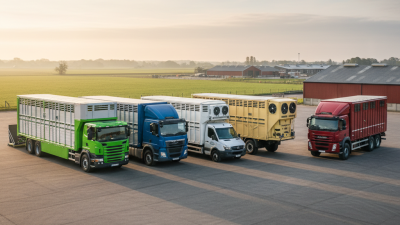
Best Livestock Semi Trailer Options for Global Buyers?
The global livestock industry is evolving rapidly, driven by increasing demand for meat and dairy products. A reliable "Livestock Semi Trailer" is crucial for transporting animals efficiently and humanely. According to a report by the International Livestock Research Institute (ILRI), nearly 1.5 billion animals are transported annually worldwide, highlighting the need for quality transport solutions.
Dr. Emily Carter, a leading expert in livestock transportation, emphasizes, “Choosing the right Livestock Semi Trailer can enhance animal welfare and operational efficiency.” Her insights underline the technical nuances of different trailer designs and the importance of adhering to industry standards. The growing market has led to a variety of trailer options, catering to specific needs across regions.
However, challenges remain. Buyers must navigate varying regulations and standards across countries. Selecting a semi-trailer that complies with local laws is vital. Additionally, factors like climate and terrain can influence performance. Understanding these complexities can lead to better transport outcomes, proving that thoughtful choices matter in livestock transportation.
Best Types of Livestock Semi Trailers for Different Animals
When considering livestock semi trailers, different animals require specific designs for optimal transport. Cattle need ample space and ventilation. Their trailers are typically wider and equipped with slatted sides for airflow. According to the Livestock Transportation Guide, about 80% of cattle trailers have a minimum width of 8 feet. This design helps reduce stress during transit.
For pigs, a different approach is necessary. Their trailers often feature a smooth floor to prevent injuries. The National Pork Board highlights that 60% of pig trailers use a non-slip surface. This design reduces the chance of slipping and allows for comfortable travel. Meanwhile, sheep require enclosures with minimal distractions. Their trailers prioritize secure, confined spaces to keep them calm.
Each type of trailer must address specific needs. Factors like temperature control and loading ramps are critical. However, there are challenges. Some designs may struggle with stability during transit, leading to potential safety risks. Evaluating these aspects ensures livestock arrive safely at their destination. Not all designs meet the required standards, making it essential for buyers to assess each option carefully.
Key Features to Consider When Choosing a Livestock Semi Trailer
When choosing a livestock semi trailer, several key features are crucial for ensuring the safety and comfort of animals during transportation. One primary consideration is the trailer's ventilation system. Proper airflow is essential to keep animals calm and reduce stress. A well-ventilated trailer also helps prevent overheating, especially in hot climates.
The construction material of the trailer should be durable yet lightweight. Aluminum frames are popular due to their strength and resistance to rust. Additionally, look for non-slip flooring to prevent injuries while animals are in transit. Safety features, like reinforced sides and easy access for loading and unloading, can significantly enhance your efficiency.
Tips: Always inspect the trailer before purchasing. Check for any signs of wear and tear. Measure the internal dimensions to ensure it's suitable for the types of animals you transport.
Another key feature to consider is the weight capacity. Ensure the trailer can handle the maximum weight of your livestock. Overloading can lead to accidents and decreased vehicle performance. Think about how easily the trailer can be maneuvered. A well-balanced design is vital for safe towing.
Tips: Research local regulations regarding trailer dimensions and weight limits. Understanding these can prevent costly fines and ensure compliance.
Top Manufacturers of Livestock Semi Trailers Worldwide
When exploring the livestock semi trailer market, understanding top manufacturers is key.
Global data indicates that the livestock transport market is growing steadily, expected to reach approximately $2 billion by 2025. Many buyers seek reliable manufacturers offering trailers that meet high animal welfare standards. This ensures safe and comfortable transport for livestock, which is crucial for reducing stress.
In North America, companies dominate the manufacturing landscape, providing both custom and standard trailer options. They focus on innovations in materials that enhance durability and reduce weight. Some trailers now feature advanced ventilation systems that improve air circulation. In contrast, many Asian manufacturers emphasize cost-efficiency, catering to emerging markets. This raises questions about long-term reliability versus short-term savings.
We're witnessing a trend toward environmentally friendly designs, with some manufacturers exploring bio-based materials. However, quality still varies. Some low-cost trailers may not withstand rugged use. Buyers must assess potential risks when selecting a manufacturer. Investing in a high-quality livestock trailer typically ensures better performance and longevity, an essential factor for responsible livestock handling.
Comparative Analysis of Livestock Semi Trailer Designs and Materials
When it comes to livestock semi trailers, design and material choice are critical. Trailers must ensure safe transportation for animals while being durable. Common options include aluminum and steel. Aluminum is lightweight, which aids fuel efficiency. However, it can be pricey and less durable in the long run.
Steel, on the other hand, offers strength and longevity. Yet, it is heavier and could affect gas consumption. The layout of the trailer also matters. Some designs maximize space, allowing for better airflow and comfort for the animals. Others focus on ease of loading, which can speed up processes at farms.
Purchasing a livestock semi trailer requires careful consideration of these factors. Buyers should request detailed specifications before deciding. Some trailers may lack proper ventilation or require frequent maintenance. It's important to weigh these imperfections against performance needs. Having a comprehensive understanding will help in making an informed choice.
Best Livestock Semi Trailer Options for Global Buyers
Regulatory Standards Affecting Livestock Transport Trailers Globally
When it comes to livestock transport trailers, regulatory standards play a crucial role worldwide. Different countries have diverse regulations that affect how these trailers are built and used. For instance, requirements for ventilation, floor design, and loading ramps can vary significantly. Buyers must understand these differences to ensure compliance and animal welfare.
Compliance with regulations ensures safety and humane treatment of livestock. Areas like space allocation and temperature control are crucial. Some regions prioritize the animal's well-being, while others focus on efficiency. This can create confusion for global buyers. They must navigate through different guidelines, which can sometimes seem overwhelming.
Investing in a trailer that aligns with these standards can be daunting. Some manufacturers may not fully disclose their adherence to local laws. This lack of transparency can pose challenges for buyers. It's essential to conduct thorough research and engage with experts in the field. Seeking advice from professionals can provide clarity and ensure that livestock transport meets regulatory expectations.
Best Livestock Semi Trailer Options for Global Buyers
| Trailer Type |
Weight Capacity (lbs) |
Dimensions (ft) |
Material |
Regulatory Compliance |
| Gooseneck Trailer |
24,000 |
40 x 8 |
Aluminum |
DOT, ISO 9001 |
| Bumper Pull Trailer |
14,000 |
20 x 7 |
Steel |
DOT, EPA |
| Livestock Combo Trailer |
18,000 |
28 x 8 |
Aluminum/Steel |
DOT, USDA |
| Flatbed Trailer |
30,000 |
45 x 8.5 |
Steel |
DOT, ISO 39001 |
| Enclosed Trailer |
16,000 |
24 x 8 |
Aluminum |
DOT, ASAE |