What Are the Best Chicken Equipment Suppliers in China?
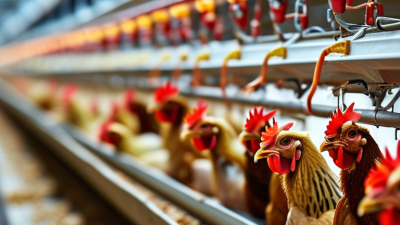
Choosing reliable Chicken Equipment suppliers in China requires more than comparing catalog prices. A modern poultry farm depends on stable feeding, clean drinking water, effective ventilation, and accurate climate control. Small design weaknesses can become visible quickly. Uneven feed lines may leave birds underweight. Poorly sealed drinkers can create wet litter and increase cleaning work.
Dr. Michael Czarick, a respected poultry housing specialist at the University of Georgia, has repeatedly emphasized, “Ventilation is the key to successful poultry production.” His point remains practical. A supplier should understand airflow, humidity, temperature, and bird density, not simply sell fans and controllers. Strong manufacturers usually provide detailed drawings, material specifications, installation guidance, spare parts, and responsive technical support. Factory experience also matters. Stainless-steel components, corrosion-resistant coatings, reliable motors, and washable surfaces can improve equipment life in demanding farm conditions.
This guide examines the best Chicken Equipment suppliers in China through a practical and evidence-based lens. It considers manufacturing capability, product range, quality management, customization, export experience, and after-sales service. Certifications can support confidence, but they should not replace factory audits or real customer references. A polished website proves little.
No supplier is perfect. Even an experienced manufacturer may have slow communication or limited local service. Buyers should ask difficult questions about warranty coverage, replacement parts, installation training, and delivery schedules. The right choice is not always the cheapest quote. It is the supplier that can deliver dependable equipment, clear documentation, and measurable support throughout the farm’s operating life.
China’s Poultry Equipment Market: 2023 Production and Demand Data
China’s Poultry Equipment Market: 2023 Production and Demand Data
China’s poultry sector remained large in 2023. Official agricultural statistics reported about 25.63 million tonnes of poultry meat and 35.63 million tonnes of eggs. These volumes supported steady demand for feeding lines, drinking systems, climate control, and automated collection equipment. Large farms needed reliable systems that could operate through hot summers and dusty conditions.
Production data does not show the whole equipment market. Replacement demand also matters. Many farms upgraded ventilation, manure handling, and egg grading systems rather than building new houses. In my experience, buyers often compare electricity use, cleaning time, spare-part access, and installation support before comparing prices. A cheaper feeder can become expensive when blocked lines interrupt feeding.
The best Chinese suppliers usually provide complete technical drawings, farm-layout advice, and testing records. They should explain capacity with measurable details, such as birds per line, feed accuracy, water flow, and expected service life. Factory visits can reveal practical weaknesses. Look closely at welds, motor protection, cable routing, and corrosion resistance. Some supplier data remains optimistic, and that deserves careful checking. A pilot installation may be wiser than a large first order. Demand also varies by province, bird type, farm size, and investment cycle. Therefore, 2023 production figures are useful indicators, not a complete purchasing forecast.
Leading Chinese Chicken Equipment Suppliers by Product Specialization
Chinese chicken equipment suppliers are often strongest in specific product categories, not every part of a poultry project. Some specialize in feeding systems, automatic drinkers, ventilation fans, and climate controllers. Others focus on hatchery machines, broilers’ processing lines, freezing equipment, or stainless-steel workstations.
From practical sourcing experience, product specialization matters more than a large catalog. A supplier focused on environmental control should explain airflow, humidity, temperature sensors, and spare-part access clearly. Processing equipment suppliers should provide line capacity, material specifications, cleaning procedures, and installation support. Ask for test videos, factory inspection records, and references from farms with similar production volumes. A polished website is not enough.
Tips: Match the supplier to one equipment category first. Check motor efficiency, noise levels, food-contact materials, warranty terms, and replacement-part availability. Request a complete quotation with shipping dimensions and commissioning costs. Small details can affect the final budget.
Some Chinese manufacturers offer custom designs for different house sizes and local conditions. This is useful, but customization can increase maintenance complexity. I once underestimated the importance of local technician training; the machine worked, yet daily operation became slower. Suppliers should explain cleaning access, emergency stops, calibration, and operator safety in plain language. Independent inspections are also worthwhile, especially when drawings and delivered equipment do not perfectly match.
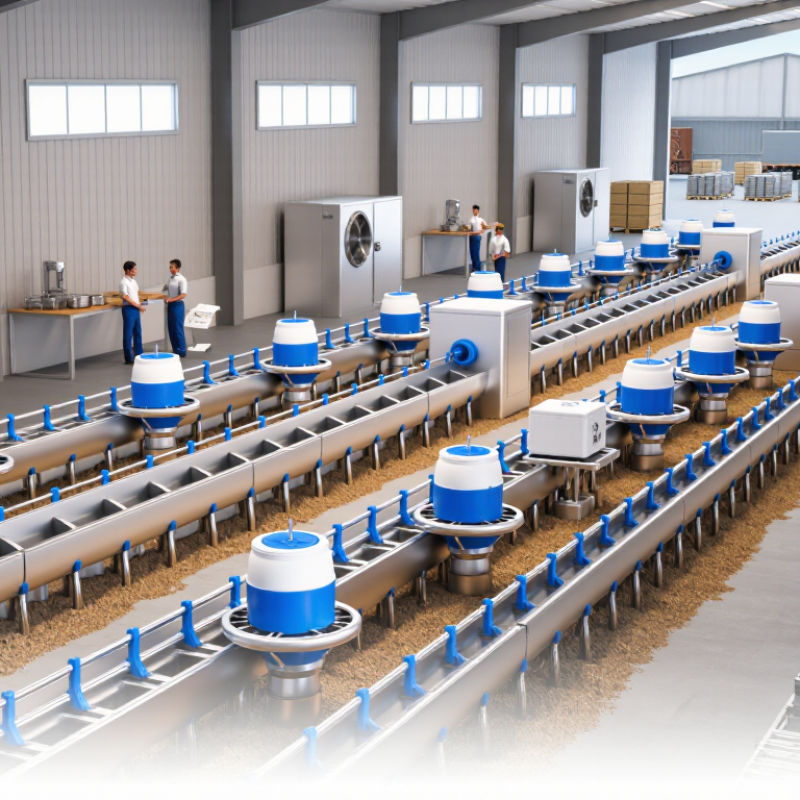
Chinese poultry-equipment suppliers commonly specialize in complete processing lines, chilling systems, cut-up equipment, further-processing machinery, and automated packing solutions. The chart uses representative capacity ranges commonly specified in poultry equipment catalogs; it does not rank or disclose individual companies.
Supplier Selection Metrics: Automation, Energy Use, Warranty, and ROI
What Are the Best Chicken Equipment Suppliers in China?
When evaluating chicken equipment suppliers in China, automation should match your daily production volume.
A fast line is not always the best line. Ask for cycle-time data, labor requirements, and records from comparable poultry plants. Watch the equipment operate, if possible. A short factory visit can reveal noisy motors, awkward cleaning points, or unstable sensors. Hands-on evidence matters.
Energy use deserves precise measurement.
Request electricity consumption per processed bird, not only motor power ratings. Check heating, refrigeration, compressed air, and water systems separately. A supplier should provide test conditions and meter readings. Payback calculations often look attractive. Yet they can mislead when maintenance, downtime, and seasonal volumes are ignored. Ask for a conservative model using your actual utility prices.
Warranty terms show how seriously a supplier supports its equipment.
Review coverage for motors, control systems, stainless-steel parts, and labor. Confirm response times, spare-part availability, remote diagnostics, and technician travel costs. A long warranty means little without clear service procedures. ROI should include installation, training, sanitation time, repairs, product losses, and expected resale value. Request references from operating facilities, then speak with maintenance managers rather than sales teams. Some estimates will remain uncertain. That uncertainty should be documented, not hidden.