7 Best Ice Cream Transport Vehicles for Global Buyers
Global ice cream sales depend on more than attractive flavors and efficient freezers. They depend on a reliable cold chain. The FAO’s State of Food and Agriculture reports that 14% of food is lost between harvest and retail worldwide. That figure is not ice-cream-specific, but it reveals the cost of weak temperature control. For buyers, an Ice Cream Transport Vehicle must protect product quality across factories, distribution centers, stores, and seasonal events.
UNEP’s Food Waste Index Report 2024 estimates that 1.05 billion tonnes of food were wasted in 2022. Ice cream requires special care because melting and refreezing can damage texture, packaging, and consumer confidence. A suitable vehicle should maintain stable low temperatures, support fast loading, and reduce door-open time. Insulated panels matter. So do evaporator placement, airflow, battery capacity, and service access. These details often decide whether a vehicle performs well in a busy loading yard.
This guide compares seven transport options for global buyers, including refrigerated vans, rigid trucks, semi-trailers, electric delivery vehicles, and reefer containers. Each option serves a different route profile. Urban deliveries need maneuverability. Long-haul routes need strong insulation and dependable refrigeration. Remote markets need serviceable systems and backup planning. The Global Cold Chain Alliance emphasizes capacity, energy efficiency, and operational reliability across cold storage networks. Yet no vehicle is perfect. Fuel costs change. Batteries lose range. Specifications can look impressive on paper. Buyers should test real payloads, local climate conditions, maintenance support, and temperature records before making a final decision. That practical step is sometimes overlooked.

Ice Cream Transport Vehicles: Purpose, Types, and Global Buying Criteria
Ice Cream Transport Vehicles: Purpose, Types, and Global Buying Criteria
Ice cream transport vehicles protect frozen products from melting, refreezing, and texture damage. Their core purpose is simple: maintain stable temperatures during loading, transit, and delivery. Most frozen cargo requires approximately -18°C or colder, depending on product specifications and local food standards. Temperature drift matters. Insulated vans suit short urban routes, while refrigerated rigid trucks support regional distribution. Articulated reefers serve export corridors and larger wholesale orders. Multi-temperature vehicles can carry frozen desserts with chilled goods, but poor compartment design may create uneven cooling.
Global buyers should assess insulation thickness, refrigeration capacity, door-opening frequency, payload, and route length. Electric refrigeration can reduce local emissions, yet battery performance may decline in extreme heat or long-distance service. UNEP’s 2023 Cooling Emissions Gap Report projects that cooling demand could more than triple by 2050 without efficiency improvements. This makes energy use a serious purchasing criterion, not a marketing detail. The Global Cold Chain Alliance reported about 719 million cubic metres of refrigerated warehouse capacity worldwide in 2022. Transport vehicles must connect reliably with that expanding infrastructure.
Buyers should request temperature records, calibration documents, service access, and realistic fuel or energy figures. A larger truck is not automatically safer. Field inspections often reveal excessive door openings and poorly planned loading patterns. Routes decide costs. I would also question optimistic range claims, especially in hot climates. A vehicle that performs well in testing may struggle at crowded docks, steep roads, or delayed border crossings.
Refrigerated Vans for Local Ice Cream Delivery and Mobile Sales
7 Best Ice Cream Transport Vehicles for Global Buyers
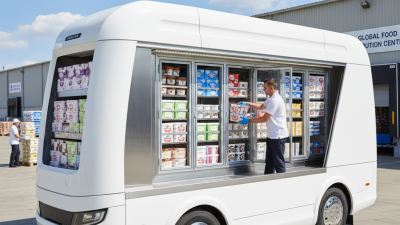
Refrigerated vans support local ice cream delivery and mobile sales in busy markets. They protect product quality from the warehouse to the customer’s hand. A dependable van should hold a stable temperature, often around -18°C or colder. Pre-cooling the cargo area is essential. Loading warm products can quickly reduce cooling performance. Use insulated walls, sealed doors, and a visible temperature logger. Small details matter.
For delivery routes, choose a layout that separates frozen stock from cartons, tools, and cleaning supplies. Shelving should prevent movement during sharp turns. A low step and wide rear doors improve loading speed. For mobile sales, add a service window, compact display freezer, interior lighting, and safe customer access. Battery-supported refrigeration can reduce noise during roadside service. However, its capacity must match the selling hours and local climate. Hot regions demand more cooling reserve.
A larger van is not always better. Excess space increases purchase, fuel, and maintenance costs. Many buyers overlook payload limits after installing freezers and sales equipment. That mistake can affect handling and tire wear. Check road conditions, charging access, technician availability, and local vehicle requirements before ordering. Ask for temperature testing under realistic traffic conditions, not only an empty-van demonstration. Reliable suppliers should provide maintenance guidance, wiring diagrams, insulation details, and clear warranty terms. Build in backup plans. Refrigeration can fail. Fresh checks before every route remain necessary.
7 Best Ice Cream Transport Vehicles for Global Buyers
Typical payload planning values for refrigerated vans, box vehicles, and mobile ice cream sales units. Frozen ice cream transport generally requires a vehicle compartment maintained at or below −18°C; actual payload depends on vehicle size, insulation, refrigeration equipment, and local regulations.
How to read the chart: Smaller refrigerated vans are suited to local deliveries and dense urban routes, while refrigerated box vans and light trucks provide greater capacity for regional distribution. Mobile sales vans balance product capacity with space for serving equipment and customer access.
Insulated Trucks for Regional and High-Volume Ice Cream Transport
7 Best Ice Cream Transport Vehicles for Global Buyers
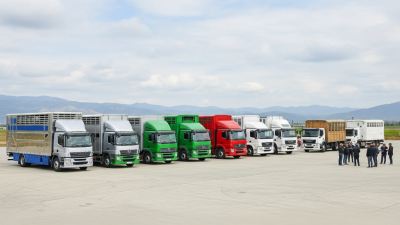
Insulated trucks protect frozen desserts during regional and high-volume distribution.
The best choice depends on route length, loading frequency, and delivery density. Rigid refrigerated trucks suit city routes with frequent stops. They offer easier handling than tractor-trailer combinations. Articulated refrigerated trailers carry larger volumes between factories, ports, and distribution centers. Multi-temperature vehicles can separate ice cream from other chilled products, but their systems cost more and require careful calibration.
Temperature discipline matters.
The U.S. Food and Drug Administration recommends keeping frozen food at 0°F (-18°C) or below. Ice cream can soften quickly when doors open repeatedly. A reliable vehicle needs thick insulation, stable airflow, rapid door recovery, and continuous temperature recording. The Global Cold Chain Alliance reported approximately 719 million cubic meters of refrigerated warehouse capacity worldwide in 2022. That scale shows growing demand for dependable links between storage and delivery.
Electric refrigerated trucks are increasingly practical for short regional routes with charging access.
Diesel units still offer stronger range for remote and cross-border operations. Smaller insulated vans work well for premium urban deliveries, while high-capacity trailers reduce transport cost per carton. However, bigger is not always better. Oversized vehicles may waste energy on low-volume routes. Buyers should test real loading patterns, stop frequency, ambient temperatures, and service support before selecting among the seven vehicle types. Mistakes often appear during peak summer demand.
Freezer Trailers and Container Vehicles for International Shipping
7 Best Ice Cream Transport Vehicles for Global Buyers
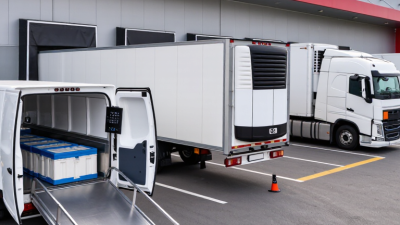
For international ice cream shipping, freezer trailers and container vehicles are practical choices. They protect frozen cargo during port transfers, customs checks, and long inland routes. A reliable unit should maintain at least -18°C throughout transport. This benchmark is widely used for frozen food handling, although local requirements may differ.
The FAO reported that 14% of food is lost between harvest and retail. Temperature failures are one contributing factor. For ice cream, even a short warm period can create soft edges, large ice crystals, and damaged packaging. Insulated container vehicles suit multimodal shipping because containers can move from vessel to rail or truck. Freezer trailers offer better flexibility for regional delivery and direct loading.
Look for strong insulation, continuous temperature records, remote alarms, and an independent standby system. A 40-foot refrigerated container often provides useful capacity for export orders, while smaller trailers reduce empty space for mixed shipments. Test the vehicle before loading. Product temperature matters more than the display reading. The display can lie.
UNEP’s Food Waste Index 2024 estimated 1.05 billion tonnes of food were wasted in 2022. Better cold-chain control cannot solve every loss, but it can reduce avoidable damage. Buyers should review maintenance records, door-opening procedures, power compatibility, and emergency response plans. A perfect specification is not enough. Human handling still decides many outcomes.