How to Choose the Best Chicken Transporter Vehicle for Your Needs?
Choosing the right Chicken Transporter Vehicle is crucial for poultry farmers. As Mike Thompson, a renowned expert in the poultry logistics industry, once said, "A well-chosen transporter can make all the difference." With this in mind, understanding your specific needs is essential.
Poultry transporters come in various sizes and features. Identifying the best fit requires clarity on the number of birds and the transport distance. Consider the vehicle's ventilation and space. These factors significantly impact bird health during transport. A poorly designed chicken transporter may lead to stress among the flock.
It's important to remember that not every vehicle on the market will meet your requirements. Some may look impressive but lack practicality. Reflect on your operations and the environments you'll navigate. Balancing cost with functionality is essential. Opting for a Chicken Transporter Vehicle that doesn’t align with your farming practices can lead to future challenges. Thoughtful selection is key to success in poultry transport.
Understanding Your Chicken Transport Needs
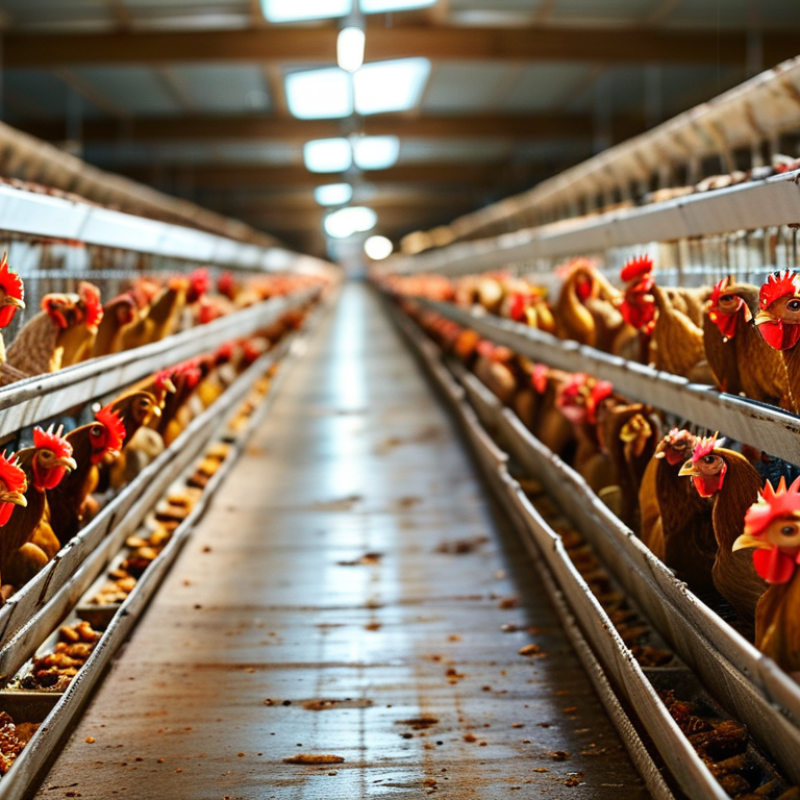
Understanding your chicken transport needs is crucial for successful poultry management. Different factors influence how you transport chickens effectively. The size of your flock plays a significant role. If you have a large number of birds, you’ll need a spacious vehicle. Smaller flocks may do fine in compact carriers, but comfort is key for all.
Consider the environment where you operate. Is the terrain rough? Choose a vehicle with good suspension and sturdy wheels. Ventilation is another important aspect. Chickens can become stressed in cramped or poorly ventilated spaces. The vehicle should maintain a cool temperature during warm months and warmth in winter. Think about accessibility too. Loading and unloading should be easy to minimize stress for both you and your birds.
Reflecting on your previous transport experiences can be beneficial. Were there any issues with space or comfort? Learning from those moments can help you choose better next time. It’s essential to balance between what you think you need and what actually works. Sometimes, the most obvious choice isn't the best. Prioritize your birds' well-being, and choose accordingly.
Chicken Transporter Vehicle Capacity Comparison
Evaluating Different Types of Chicken Transporter Vehicles
When selecting a chicken transporter vehicle, understanding the various types available is crucial. The market offers several options, including single-deck, double-deck, and modular transporters. Each type has unique benefits and limitations that can impact your operation's efficiency. According to a recent industry report, approximately 30% of producers prefer double-deck vehicles for their increased capacity. However, these vehicles can pose challenges regarding airflow and space management.
Single-deck vehicles are generally easier to operate in smaller farms. Their design allows for better ventilation and less stressful transport for the chickens. Yet, they can limit the number of birds transported per trip. A study showed that single-deck models yield a 20% higher survival rate during transport due to reduced overcrowding. On the other hand, modular transporters offer flexibility. They allow customization based on flock size but can be more expensive upfront.
Each type requires careful evaluation to suit specific business needs. Factors like transport distance, flock size, and environmental conditions play a significant role. Notably, an improper choice could lead to increased mortality rates and higher operational costs. Rethinking vehicle selection is vital to ensure animal welfare while maximizing efficiency.
How to Choose the Best Chicken Transporter Vehicle for Your Needs? - Evaluating Different Types of Chicken Transporter Vehicles
| Vehicle Type |
Capacity (Chickens) |
Size (ft) |
Fuel Type |
Average Cost ($) |
Pros |
Cons |
| Open Trailer |
500 |
16 |
Gasoline |
2,500 |
Affordable and easy to tow |
Limited protection from elements |
| Enclosed Truck |
1,000 |
20 |
Diesel |
15,000 |
Weather resistant, secure transport |
Higher cost and maintenance |
| Livestock Van |
2,000 |
30 |
Diesel |
25,000 |
Can carry large quantities safely |
Requires special driving skills |
| Refrigerated Truck |
800 |
22 |
Diesel |
18,000 |
Maintains temperature for health |
Expensive to operate |
| Modified Cargo Van |
600 |
14 |
Gasoline |
8,000 |
Versatile, can be used for other goods |
Customization needed for optimal use |
Key Features to Look for in a Chicken Transporter Vehicle
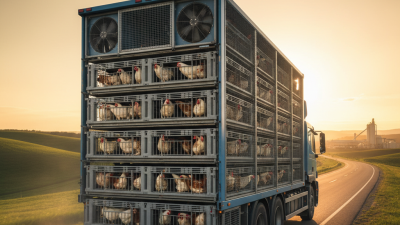
When selecting a chicken transporter vehicle, certain features can greatly impact efficiency. First, the size of the vehicle matters. Consider the number of chickens you need to transport regularly. The vehicle should offer ample space to prevent overcrowding. Overcrowding can lead to stress and injury among the birds, which affects their health and wellbeing.
Ventilation is another crucial aspect. Chickens require good airflow to stay cool during transport. Look for vehicles designed with proper ventilation systems. This helps maintain a suitable temperature and reduces moisture buildup. Moisture can lead to diseases, which may harm your flocks. Additionally, the flooring should be non-slip. Chickens can easily fall and hurt themselves. Choosing a vehicle with a textured floor can minimize this risk.
Safety features are important too. Make sure the vehicle has secure locking mechanisms for doors. This ensures that the chickens cannot escape during travel. Reflect on whether the vehicle is easy to clean. A clean environment helps prevent disease spread. These details may seem small, but they significantly impact the overall health of the birds during transportation.
Assessing Cost and Budget Considerations for Transport Vehicles
When selecting a chicken transporter vehicle, budget plays a crucial role. Costs can vary widely based on size, features, and quality. Many individuals find themselves caught between investing in a reliable vehicle and managing tight finances. A well-equipped vehicle may cost more upfront but can save money in the long run through efficiency and durability.
Consider maintenance costs as well. Cheap vehicles often have higher repair needs. Assessing fuel efficiency is also essential. A vehicle that uses less fuel can reduce operational costs over time. It’s worth noting that not all features are necessary for every chicken transport purpose. Overly specialized vehicles might add unnecessary expenses. Reflecting on actual transport needs will help streamline expenses.
Finding a balance between initial costs and long-term value is challenging. It’s easy to overspend on features that don't translate into practical benefits. Start by listing must-have features. Then, prioritize wisely, ensuring you don’t sacrifice key functions for unnecessary luxury. This approach helps maximize both the vehicle's utility and your budget.
Ensuring Compliance with Transportation Regulations for Poultry
Compliance with transportation regulations is crucial for poultry transporters. Understanding the rules ensures the welfare of the chickens during transit. Many regulations focus on factors such as space, ventilation, and temperature. Non-compliance can lead to fines or worse, affect animal health.
Proper ventilation is essential in any chicken transporter vehicle. Insufficient airflow can stress the birds. Poultry must be able to stand, lie down, and move comfortably. Using appropriate container sizes helps in maintaining comfort. Inadequate space not only violates regulations but could also result in injuries.
Reflecting on past experiences can guide future decisions. Some transporters discover too late that their vehicles lacked necessary features. Investing in training for staff is equally important. Knowledgeable handlers minimize risks during loading and unloading. Regularly reviewing regulatory updates keeps operations compliant and efficient.