Top 10 Chicken Transporter Vehicles for Optimal Efficiency?
In the poultry transport industry, efficiency is paramount. According to Dr. Linda Moore, a leading expert in chicken transportation, "The right Chicken Transporter Vehicle can make or break a business." Her insights emphasize the importance of choosing appropriate vehicles for safe and effective transport.
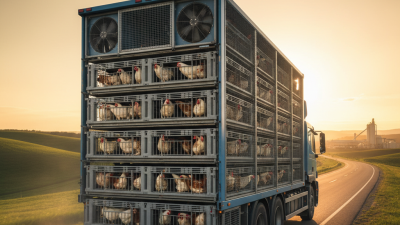
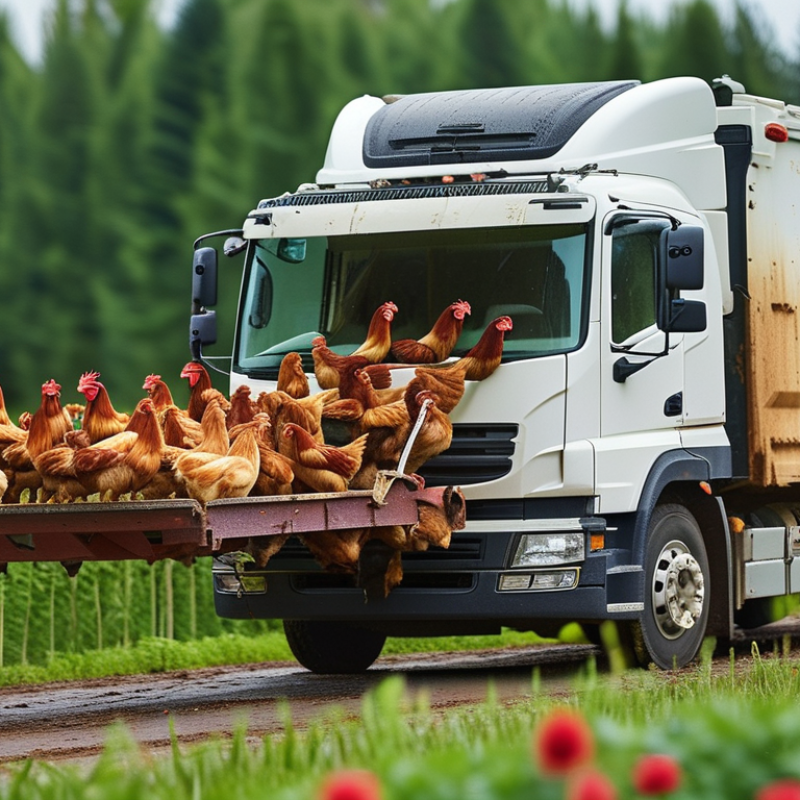
Chicken Transporter Vehicles are not just about getting birds from point A to point B. These vehicles must consider the welfare of the chickens, temperature control, and loading capabilities. The design details can greatly affect the health and productivity of chickens during transportation.
Various models show that effectiveness varies widely. Some vehicles operate efficiently in urban settings, while others are tailored for rural routes. It raises questions about what excellent design truly means in this industry. As the market evolves, the need for innovation remains critical. An exploration of today’s top models can spark new ideas for improvement and efficiency within the sector.
Essential Features to Consider in Chicken Transporter Vehicles
When considering chicken transporter vehicles, several essential features stand out.
Firstly, ventilation is crucial. Proper airflow can prevent heat stress and reduce mortality during transport. A recent study indicated that livestock vehicles with effective ventilation systems can lower temperature by up to 10 degrees, significantly improving animal welfare.
Another important factor is the vehicle's design. Smooth surfaces reduce the risk of injury. Additionally, the layout should facilitate easy loading and unloading.
According to the American Poultry Association, vehicle design impacts stress levels, influencing overall meat quality post-processing.
Capacity is also a concern. Vehicles must balance space and weight efficiently. Overloading can cause stress and injury. A report by the Livestock Transportation Council estimated that up to 15% of birds can experience injury if vehicles are overloaded, highlighting the need for optimal planning in transport logistics. Each feature can directly influence the health of the livestock and, ultimately, the profitability of poultry operations.
Top 5 Vehicles for Safe and Comfortable Chicken Transportation
Transporting chickens safely is crucial for both their welfare and business efficiency. Specialized vehicles are designed to meet the needs of poultry transportation. A study by the National Chicken Council shows that stress during transport can impact chickens' health and overall product quality. Choosing the right vehicle is imperative for ensuring their comfort and safety.
The use of well-ventilated, temperature-controlled vehicles is essential. Ideal temperature ranges between 60°F and 75°F greatly reduce stress levels. Regular checks on loading density are necessary to avoid overcrowding. For instance, guidelines suggest a maximum of 6 to 8 chickens per square foot to allow sufficient space.
When planning transportation, invest in vehicles equipped with proper water and feed compartments. Providing poultry with water can significantly minimize stress during long hauls. Always monitor conditions inside transport vehicles. Having security cameras helps in assessing the situation continuously.
Tips: Utilize shock-absorbing floors to reduce vibrations. This simple addition can enhance chicken comfort during transit. Conduct regular maintenance on vehicles. Check for leaks and damages that could affect the animal's environment. Your diligence can make a significant difference.
Cost-Effectiveness vs. Efficiency: Choosing the Right Transport Vehicle
When selecting chicken transporter vehicles, cost-effectiveness and efficiency are crucial for success. According to the Poultry Industry Council, transportation costs can account for up to 20% of total production expenses. In this dynamic market, choosing the right vehicle impacts growth and profitability.
Efficiency isn't solely about speed; it involves careful consideration of vehicle layout, weight capacity, and insulation. Vehicles that maintain optimal temperatures reduce stress on birds and enhance meat quality. An American Poultry Association report highlights that improved vehicle design can lead to a 15% increase in load capacity. This change may represent significant financial savings over time.
Tips: Assess the total cost of ownership, not just purchase price. Maintenance can impact budget significantly. Ensure that drivers are trained in best practices for animal welfare, as this can improve transport efficiency. Regularly review transportation routes to minimize delays, which can cause stress to the chickens. Reflecting on these factors can provide insights into improving overall transport operations.
Top 10 Chicken Transporter Vehicles for Optimal Efficiency
This chart displays the cost-effectiveness and efficiency ratings of the top 10 chicken transporter vehicles based on various factors such as fuel efficiency, load capacity, and maintenance costs.
Innovative Technologies in Poultry Transport Vehicles
Innovative technologies in poultry transport vehicles have transformed the industry. Efficient designs now focus on animal welfare and logistical performance. Advanced ventilation systems maintain optimal temperature and air quality. This is vital for bird health during transit. Insulating materials help regulate temperature, especially in extreme weather conditions.
Another development is the integration of GPS tracking. This promotes real-time monitoring of the vehicle's location and conditions. Poultry handlers can now ensure timely arrivals while minimizing stress on the birds. Additionally, automated loading and unloading systems speed up operations. This reduces human error, yet it may require extensive training.
However, not all innovations have been flawless. Some new technologies can be complex and costly to implement. Smaller operations may struggle to adapt. Furthermore, over-reliance on machinery can lead to oversight in traditional welfare practices. Balancing technology with hands-on care remains crucial for optimizing transport.
Maintenance Tips for Prolonging the Life of Chicken Transporters
Maintaining chicken transporter vehicles is crucial for efficiency and longevity. With industry reports indicating that improper maintenance can reduce a vehicle's lifespan by up to 30%, taking proactive steps is vital. Regular inspections, especially for the transport bed and ventilation systems, can prevent costly breakdowns. Keeping the vehicle clean also reduces disease transmission risks.
It's essential to address minor issues before they escalate. For example, small leaks in the hydraulic system can lead to major failures if left unattended. Routine oil changes and filter replacements extend engine life and improve fuel efficiency. Experts recommend a maintenance schedule based on mileage and usage, aligning with manufacturers’ guidelines.
Temperature control in chicken transporters is another critical aspect. Maintaining an optimal climate can prevent stress in poultry. Regularly checking the air conditioning units and insulation can ensure that birds stay healthy during transport. Monitoring tire pressure and tread can also enhance fuel efficiency and reduce the risk of accidents. It's a multifaceted approach requiring constant attention and adjustment.