2026 How to Choose the Best Cold Chain Semi-Trailer?
In the logistics industry, the choice of a "Cold Chain Semi-Trailer" is crucial for transporting temperature-sensitive goods. Proper selection can greatly impact product quality and safety. A reliable semi-trailer ensures that temperature remains consistent during transit. This consistency is vital for pharmaceuticals, food, and other perishables.
When evaluating options, consider size, insulation, and technology. A well-insulated trailer can maintain specific temperatures for extended periods. Features such as real-time temperature monitoring are becoming increasingly important. These technologies help in maintaining compliance with safety standards.
However, the selection process can feel overwhelming. Not all trailers may meet your specific needs. It’s essential to balance cost and quality. Research and expert advice can help clarify your choices. Take the time to analyze your requirements carefully. In the end, the right Cold Chain Semi-Trailer can make all the difference.
Understanding Cold Chain Logistics and Its Importance
Cold chain logistics play a crucial role in the transportation of temperature-sensitive goods. This sector is vital for industries like pharmaceuticals and perishable foods. According to a recent industry report, the global cold chain market is projected to reach $585 billion by 2027, growing at a CAGR of 12.7%. Businesses face challenges in maintaining the integrity of their products during transit. Effective cold chain management ensures that products remain within specified temperature ranges.
Implementing best practices in cold chain logistics requires attention to detail. For instance, proper insulation in semi-trailers can significantly reduce energy consumption. Investing in advanced tracking technologies can provide real-time data on temperature and humidity levels. This transparency helps prevent losses and ensures compliance with health regulations.
Tips: Regular training for staff on cold chain procedures is essential. Conduct routine maintenance checks on your equipment. An unexpected breakdown can lead to significant financial losses. Monitoring environmental conditions not only protects goods but also builds a reliable brand image. Trust is critical in the cold chain, as clients need assurance that their products are handled with care.
Key Features of Cold Chain Semi-Trailers to Consider
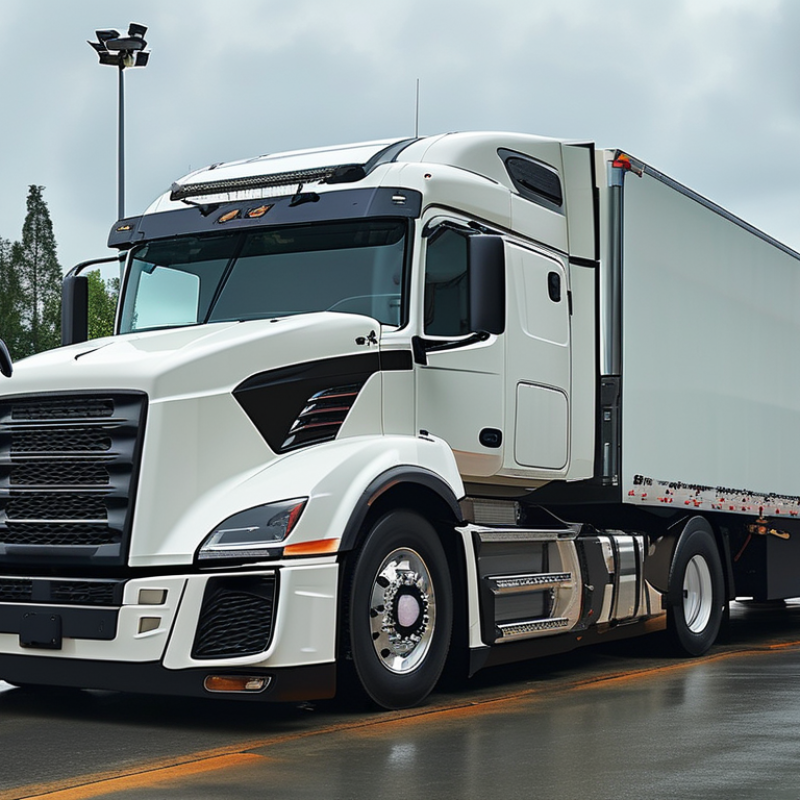
Choosing the best cold chain semi-trailer is crucial for transporting temperature-sensitive goods. Several key features deserve attention. Insulation quality plays a significant role in maintaining the required temperature. High-quality insulation materials minimize heat transfer. Look for trailers that have durable walls and effective sealing systems.
Temperature control systems require careful consideration. Advanced refrigeration units are essential for keeping goods at precise temperatures. Some trailers use multi-zones for different products. Be aware of the energy efficiency of these systems, as it directly affects operational costs. Also, monitor maintenance requirements. Regular checks ensure the unit operates effectively.
The durability of a semi-trailer impacts long-term use. Check the frame and chassis materials for strength. Lightweight materials may save fuel but can compromise durability. Consider the trailer’s loading options as well. Efficient loading mechanisms speed up operations. Lastly, evaluate the manufacturer's reputation. Research customer reviews to gauge reliability. The right choices can impact business success significantly.
Comparing Different Types of Refrigeration Systems
When selecting a semi-trailer for cold chain logistics, understanding refrigeration systems is essential. Different types of refrigeration systems have unique benefits and downsides. For instance, a unit that uses a compressor can maintain steady temperatures. However, maintenance on these systems can be more demanding.
On the other hand, eutectic systems might seem appealing due to their simplicity. They use ice or other materials to store cold energy. This means less mechanical failure, yet they may not offer the rapid temperature recovery needed for frequent door openings. It’s important to consider how often goods will be loaded and unloaded.
Tips: Regularly check the insulation quality of the trailer. Poor insulation can lead to temperature fluctuations. Also, make sure the refrigeration unit is compatible with your load requirements. The wrong unit can compromise your products. Take time to weigh the pros and cons of each system before making a decision. Every operation has its unique needs, and the perfect system may require some trial and error.
Evaluating Size and Capacity Requirements for Transport
When selecting a cold chain semi-trailer, evaluating size and capacity is crucial. The trailer's dimensions must align with the types of products you transport. For instance, perishable goods such as pharmaceuticals and fresh produce require significant space and specific temperature controls. Understanding these needs helps in selecting the right size.
Capacity is another critical factor. It's vital to calculate the volume of goods you wish to transport regularly. A trailer that is too small leads to inefficiencies and spoilage risks. Conversely, an oversized trailer can increase operational costs without added benefits. Balancing these elements creates a more effective logistics strategy.
Sometimes, the ideal solution isn't clear. For example, smaller companies may struggle with decisions regarding capacity versus cost. Testing different sizes with pilot runs may expose unforeseen challenges. Each choice offers learning opportunities. Being adaptable and reflective about these experiences fosters better long-term decisions.
Assessing Costs vs. Quality in Cold Chain Semi-Trailers
Choosing the best cold chain semi-trailer involves balancing costs and quality. While some options may appear cheaper initially, their long-term performance is essential. A high-quality trailer often means fewer maintenance issues and reduced spoilage of sensitive goods.
When evaluating costs, consider longevity. Cheaper models may require frequent repairs. Opt for better insulation and efficient refrigeration systems. This can lead to significant savings over time. Look for trailers that provide reliable temperature control irrespective of external conditions.
Tip: Always read reviews from other users. Real-world experiences highlight durability and efficiency that specs may not show.
Take the time to inspect trailers in person. Check components and build quality thoroughly. Remember, your choice impacts your operational efficiency and product safety.
Tip: Reflect on your specific needs. Consider the types of products you transport and required temperature ranges. This knowledge shapes your purchasing decisions effectively.