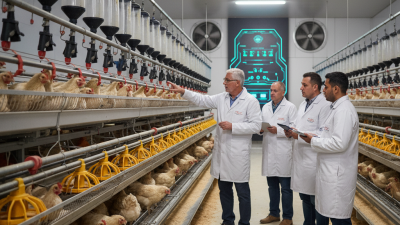
How to Choose the Best Poultry Farm Equipment?
Choosing the right Poultry Farm Equipment is a production decision, not merely a purchasing exercise. Every feeder, drinker, fan, controller, and housing component affects bird welfare, labor demand, energy use, and operating reliability. A poorly matched ventilation system may leave one side of a house hot while the opposite side remains damp. That imbalance can increase stress, litter problems, and maintenance costs.
Recent industry data reinforces the scale of this decision. FAOSTAT’s 2024 agricultural statistics report places global poultry meat production at roughly 142 million tonnes in 2022, confirming poultry’s major role in worldwide food supply. The OECD-FAO Agricultural Outlook 2024–2033 also identifies poultry as a leading contributor to future meat-production growth. Greater output, however, does not automatically justify buying the most automated system. USDA and university extension guidance consistently emphasizes ventilation, water quality, stocking density, and backup power as practical foundations for flock performance. Small details matter.
This guide explains how to compare Poultry Farm Equipment using measurable criteria rather than attractive specifications. It considers house size, climate, flock type, electricity availability, cleaning routines, spare parts, and total ownership cost. A sensor package may look advanced, yet it becomes a liability when staff cannot calibrate it or suppliers cannot provide replacement parts quickly. No checklist is perfect. Farm managers should verify manufacturer claims against field trials, independent testing, warranty terms, and local service experience. Reported figures may also differ because agencies use different definitions and production boundaries. Sound choices require evidence, observation, and a willingness to reconsider assumptions.
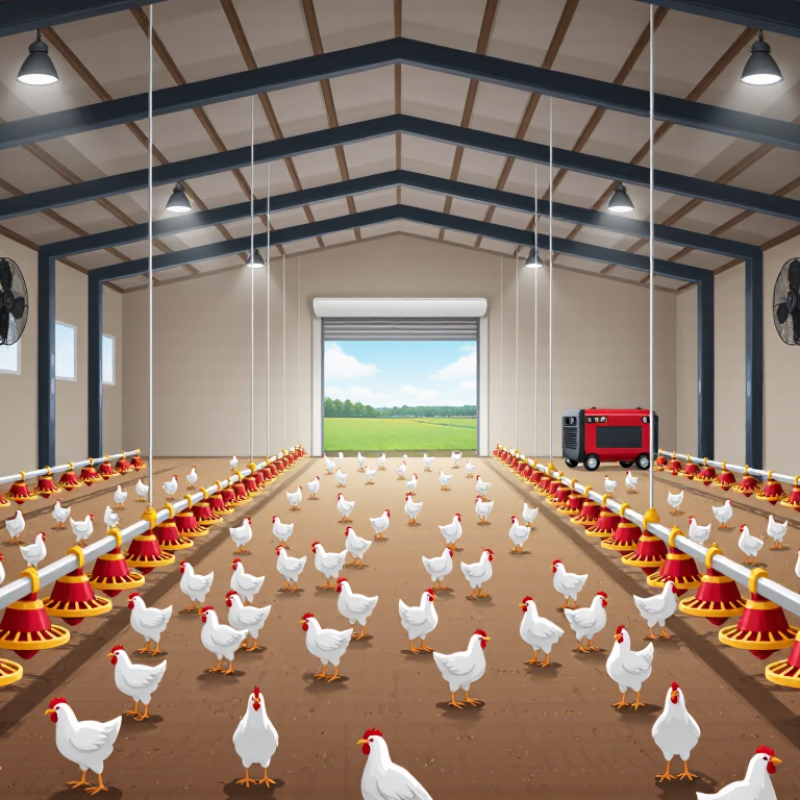
Define Your Poultry Farm’s Production Goals and Operating Requirements
Choosing poultry farm equipment starts with a measurable production goal. Decide whether the farm serves broilers, layers, breeders, or a mixed operation. Each system requires different housing, feeding, watering, ventilation, and waste-handling capacity. Set targets for flock size, growth rate, egg output, labor hours, and acceptable mortality. Be specific. “More birds” is not a useful plan. Record seasonal temperatures, water quality, electricity reliability, and available building space. These details often influence equipment choices more than purchase price.
For broilers, calculate feeder and drinker access for the heaviest expected flock, not today’s smaller batch. Layers need dependable nest access, clean egg collection, and adjustable lighting. Ventilation should exchange air without creating drafts at bird level. Measure airflow, humidity, ammonia, and litter condition during daily inspections. In practice, a simple logbook can reveal recurring wet spots or feed waste. Those observations provide valuable operating evidence. Ask who will wash lines, remove manure, check alarms, and repair motors. Equipment that one busy worker cannot maintain may become an expensive obstacle.
Include installation, spare parts, training, cleaning time, and energy use in the budget. Compare equipment capacity with actual demand, leaving room for controlled expansion. Oversized systems can waste power and complicate maintenance. Undersized systems may cause heat, crowding, and uneven access to feed or water. Do not trust capacity claims without checking site conditions and service records. A spreadsheet helps, but it can still hide bad assumptions. Test one section when possible, monitor bird behavior, and revise the plan before equipping every house.
Compare Essential Equipment Types for Different Poultry Farming Systems
How to Choose the Best Poultry Farm Equipment?
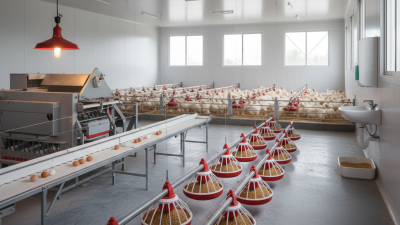
Equipment should match the farming system, bird age, climate, and daily labor capacity. Deep-litter houses need durable feeders, nipple drinkers, litter tools, and strong ventilation. These systems are flexible, but wet litter can quickly increase hygiene problems. Cage-free houses require nest boxes, perches, raised drinker lines, and reliable egg collection paths. Free-range farms also need secure fencing, shade, outdoor shelters, and weather-resistant feeding stations. Each option has trade-offs.
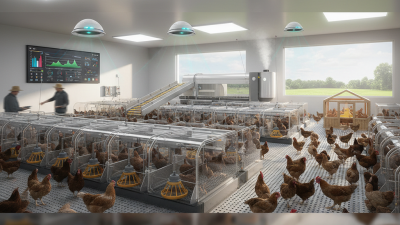
Broiler farms often prioritize automatic feeding, ventilation, cooling, and weighing equipment. Layers need nest management, gentle egg handling, lighting controls, and manure removal systems. Small farms may prefer simple manual tools because repairs are easier. Larger operations usually benefit from sensors that track temperature, humidity, water use, and feed intake. However, technology cannot replace daily inspection. A blocked drinker can affect a whole section before an alert is noticed. No setup is perfect.
Tips: Walk through the house during feeding time before buying equipment. Check whether workers can clean each part without awkward bending. Measure water pressure at the farthest drinker line. Leave space for repairs and future flock growth. Compare energy use, spare-part access, noise, and cleaning time, not only purchase price. A cheaper feeder may cost more when feed waste becomes visible. Test one section first when possible. Small trials often reveal problems that product sheets miss.
Evaluate Equipment Quality, Capacity, Safety, and Ease of Maintenance
Choosing poultry farm equipment begins with quality, not appearance.
Inspect welded joints, frame thickness, protective coatings, and moving parts. Uneven welds can crack under vibration. Ask for test records, load ratings, and material specifications. Reliable suppliers should explain these details clearly. A practical check is simple. Open panels and inspect hidden areas where rushed workmanship often appears.
Capacity must match the farm’s real workload, not an ideal production target.
Check bird numbers, feed volume, water demand, ventilation requirements, and future expansion plans. An undersized system causes delays and uneven feeding. An oversized system wastes energy and floor space. Measure your daily output before choosing equipment. I would avoid relying only on catalog figures. Actual performance can change with dust, humidity, and operator habits.
Safety features deserve close attention.
Look for guarded moving parts, stable platforms, emergency shutoff controls, and clear operating instructions. Electrical components should suit local requirements and damp farm conditions. Maintenance should not require dismantling half the system. Choose accessible inspection doors, washable surfaces, standard fasteners, and readily available replacement parts. Keep a written maintenance schedule. It may feel excessive, but missed lubrication or blocked filters can become expensive failures. Even experienced operators sometimes overlook small warning signs, especially during busy harvesting periods.
Calculate Total Costs, Energy Use, and Long-Term Operating Value
Choosing poultry farm equipment requires more than comparing purchase prices. Calculate total cost over its working life. Include installation, electricity, fuel, labor, repairs, replacement parts, and downtime. A useful example is a house with twelve 1.5-kilowatt fans. At 3,000 operating hours, they consume 54,000 kilowatt-hours annually. Using the U.S. Energy Information Administration’s 2023 commercial electricity average of about 12.5 cents per kilowatt-hour, fan electricity costs approximately $6,750 per year. Actual farm tariffs differ. Check local bills, not assumptions.
Measure energy per bird place and per production cycle. The European Commission’s 2017 Best Available Techniques reference document recommends monitoring energy performance in intensive poultry housing. Its approach supports practical comparisons between ventilation, lighting, cooling, and heating systems. The U.S. Department of Agriculture’s cost-of-production analyses also identify feed as the largest broiler expense, often exceeding half of operating costs. Therefore, equipment that improves feed conversion or reduces mortality may create greater value than equipment with the lowest price. I once underestimated maintenance labor. That mistake looked small on paper. It became expensive during summer ventilation failures. Record motor hours, temperature readings, service visits, and lost production. Then test payback using conservative energy prices. Efficiency claims need verification. Ask for measured power draw, warranty conditions, and expected service intervals. A cheaper unit can cost more after three harsh seasons.
Select Reliable Suppliers and Plan Installation, Training, and Upgrades
Choosing poultry farm equipment requires more than comparing prices. FAOSTAT data, published in the FAO Statistical Yearbook 2023, recorded roughly 137 million tonnes of poultry meat production worldwide in 2021. This scale demands dependable systems, not improvised purchases. Ask suppliers for installation records, service response times, spare-parts availability, and references from farms with similar climates. A supplier who avoids difficult questions may create expensive problems later.
Installation should include airflow checks, feed-line calibration, water-pressure testing, and emergency-stop verification. Request a written commissioning report with measured settings. Training must be practical. Operators should clean sensors, identify abnormal bird behavior, and adjust equipment without guessing. The OECD-FAO Agricultural Outlook 2024–2033 expects poultry to remain the leading contributor to future meat-market growth. Therefore, equipment should support expansion, data collection, and changing welfare expectations. Do not ignore software compatibility. An efficient machine can still fail inside a poorly connected system.
Tips: Divide training into short sessions beside the actual equipment. Keep photos of correct settings near control panels. Choose upgrades with replaceable modules rather than full-system replacement. Review electricity, water, mortality, and maintenance records monthly. A spreadsheet is enough at first. It may not be perfect, but it reveals repeated failures. Test one upgrade in a single house before wider installation. Supplier promises are useful; measured farm results are stronger.
How to Choose the Best Poultry Farm Equipment?
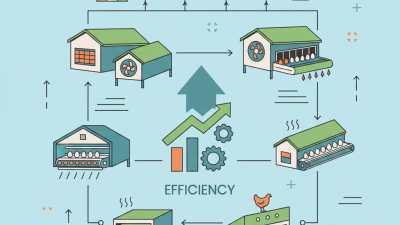
This planning framework assigns the highest priority to supplier reliability and installation readiness, followed by staff training, future upgrades, and service response. Use the percentages as a practical checklist when comparing equipment proposals.