2026 How to Choose the Best Fresh Keeping Transport Vehicle?
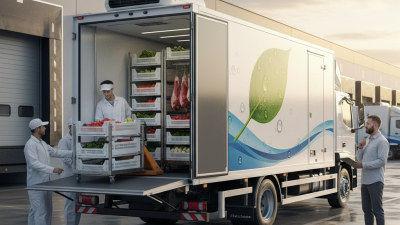
Choosing the right Fresh-Keeping Transport Vehicle (FKTV) is critical for businesses focused on preserving perishable goods. According to Dr. Laura Jensen, a recognized expert in cold chain logistics, “The efficiency of your transport vehicle can make or break your product’s freshness.” This reflects the importance of selecting vehicles that maintain optimal temperature and humidity.
A well-chosen FKTV ensures that food products remain safe and high-quality during transport. It plays a crucial role in reducing spoilage and waste. However, it is not just about the vehicle's technical specifications. Factors like reliability, capacity, and maintenance should also be considered. Not all vehicles can meet the diverse needs of different businesses.
Moreover, many companies overlook the details, relying solely on brand reputation. This can lead to errors in choice. An FKTV may look state-of-the-art, but if it lacks proper insulation or fails to maintain consistent temperatures, it can jeopardize the entire supply chain. Thus, careful evaluation based on specific operational needs is essential. The right FKTV can enhance both customer satisfaction and business success.
Understanding the Importance of Fresh Keeping Transport Vehicles
Fresh keeping transport vehicles play a critical role in the supply chain. These vehicles ensure that perishable goods remain fresh during transit. According to industry reports, improper transport methods can lead to a spoilage rate of up to 25% in fresh produce. This highlights the urgent need for quality transport solutions.
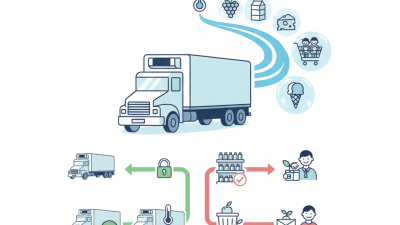
When selecting a vehicle, consider temperature control features. Refrigerated transport units can maintain optimal conditions. This is vital for preserving quality. Look for vehicles equipped with reliable cooling technology. Additionally, proper insulation helps prevent temperature fluctuations.
**Tip:** Ensure regular maintenance of your transport vehicle. Check cooling systems frequently to avoid unexpected failures.
Another factor is the vehicle's size and capacity. This directly affects the volume of goods transported. A well-sized vehicle can minimize the number of trips needed. This, in turn, reduces transport costs significantly.
**Tip:** Plan your transport routes carefully. Efficient routing minimizes time and helps keep goods fresh.
By understanding these aspects, businesses can improve their operations. Fresh keeping transport vehicles are an investment in quality assurance.
Key Features to Consider in Fresh Keeping Transport Vehicles
When choosing a fresh keeping transport vehicle, several key features must be taken into account. Temperature control is crucial. A reliable vehicle should maintain a consistent temperature to preserve the quality of fresh produce. Insulation and refrigeration systems play a vital role. They should be efficient and capable of reaching low temperatures quickly.
Another important factor is hygiene. The interior design should allow for easy cleaning to prevent contamination. Look for vehicles with smooth surfaces and removable components. This design facilitates maintenance and ensures food safety.
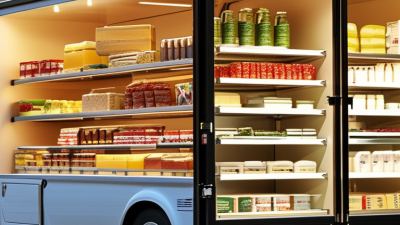
Space optimization should not be overlooked. The vehicle must have adequate space for various types of products, whether it’s fresh fruits or vegetables. Adjustable shelving can add versatility. Consideration of load capacity is essential as well. Too heavy a load can strain the vehicle, risking damage. Reflecting on these elements can guide effective purchase decisions.
Comparing Different Types of Fresh Keeping Transport Vehicles
When selecting a fresh-keeping transport vehicle, it's crucial to evaluate various types. Each type has unique features suitable for different needs. Refrigerated trucks are popular for their ability to maintain specific temperatures. They are effective for transporting perishable goods over long distances. However, they may consume more fuel, leading to higher operational costs.
In contrast, insulated vans provide basic temperature control through materials that trap heat and cold. They are lighter and more fuel-efficient, ideal for smaller shipments. The downside? They lack precise temperature regulation, which can jeopardize food quality during longer trips. Choosing insulated vans might lead to spoilage if not monitored carefully.
Cargo bikes present an eco-friendly option for urban deliveries. They can navigate narrow streets easily, promoting quick access. Yet, their limited capacity restricts the amount of fresh goods transported. This restriction could be a significant factor if you have larger shipments. Each option has pros and cons, and discerning the best fit requires careful consideration of your specific transportation needs.
2026 How to Choose the Best Fresh Keeping Transport Vehicle? - Comparing Different Types of Fresh Keeping Transport Vehicles
| Vehicle Type |
Temperature Control Capability |
Cargo Capacity (kg) |
Fuel Efficiency (km/L) |
Cost (USD) |
| Refrigerated Truck |
-18°C to 4°C |
2000 |
5 |
60,000 |
| Insulated Van |
0°C to 10°C |
1000 |
8 |
30,000 |
| Reefer Container |
-25°C to 20°C |
2800 |
4 |
80,000 |
| Cold Chain Trailer |
-20°C to 5°C |
3000 |
6 |
70,000 |
Evaluating Temperature Control Technologies for Fresh Keeping
When selecting a transport vehicle for fresh produce, temperature control is key. Effective temperature management ensures that fruits and vegetables remain fresh during transit. Technologies like active and passive cooling systems play crucial roles in this process. Active systems, such as refrigeration units, maintain specific temperatures. Passive systems, like insulated containers, rely on thermal barriers to delay temperature changes.
Choosing the right technology depends on various factors. For instance, the duration of transport and the type of produce can influence this decision. Perishable goods often require strict temperature control. However, some vehicles may lack advanced cooling options. In these cases, relying solely on insulation could be insufficient.
Additionally, it's important to consider the vehicle's energy efficiency and environmental impact. Using energy-efficient cooling technology minimizes the carbon footprint. Yet, some options may be more costly upfront. Striking the right balance between cost and efficiency can be challenging. Therefore, evaluating long-term benefits is essential in selecting your vehicle.
Assessing Cost-Effectiveness and Maintenance of Transport Vehicles
When evaluating transport vehicles for fresh keeping, cost-effectiveness is crucial. According to industry reports, the initial purchase price accounts for only about 30% of total ownership costs. Maintenance expenses can often take up the remaining 70%. Therefore, selecting a vehicle that is both robust and economical to maintain is essential for long-term sustainability.
Regular maintenance can reduce operational downtime. Leverage data from the International Journal of Logistics Management, which indicates that routine checks can extend vehicle life by 20%. When assessing maintenance plans, consider factors like parts availability and service options. These often vary between vehicles and can significantly impact overall cost efficiency.
Tip: Always compare the lifetime costs of different vehicle models. Investing more initially can lead to savings in the long run.
Using a reliable maintenance schedule can also help pinpoint issues early. Delaying repairs can compound costs over time. The European Transportation Safety Council cites that proper upkeep can minimize serious repairs by up to 30%. Always remain proactive with your transport vehicles.
Tip: Don't overlook warranty details, as comprehensive coverage can shield against unexpected expenses.