

Why Ventilation Systems are Critical in Poultry Hauling Vehicles
Beyond Basic Air Exchange: The Multi-Faceted Role of Ventilation
Modern poultry ventilation systems are sophisticated engineering solutions designed to tackle several critical challenges simultaneously:
Combating Deadly Heat Stress: Poultry, especially densely packed broilers or turkeys, generate immense body heat. Unlike humans, they lack efficient sweat glands and primarily cool themselves through panting and releasing heat into the air. In a static trailer, this heat builds rapidly. Without constant, high-volume air exchange, internal temperatures can soar well above ambient levels within minutes, even on moderately warm days. Heat stress is a leading cause of transport mortality. Effective ventilation rapidly removes hot air generated by the birds and replaces it with cooler outside air, preventing dangerous temperature spikes. Systems capable of moving thousands of cubic feet of air per minute are often essential.
Maintaining Air Quality & Removing Harmful Gases: The byproducts of respiration and manure are significant. Birds exhale carbon dioxide (CO2) and moisture. Manure releases ammonia (NH3), moisture, and hydrogen sulfide (H2S). Elevated CO2 depresses bird activity and welfare. Ammonia is highly irritating to the birds' eyes and respiratory tracts, damaging delicate lung tissues, suppressing immune function, and increasing susceptibility to respiratory diseases like bronchitis or E. coli. High concentrations can be fatal. Ventilation systems must constantly dilute and exhaust these harmful gases, bringing in fresh air to maintain safe levels.
Managing Humidity: The moisture expelled by birds (through respiration and manure) quickly saturates the air inside a loaded trailer. High humidity drastically reduces the birds' ability to cool themselves effectively through panting (as evaporation is hindered). It also creates a damp environment conducive to pathogen growth and exacerbates the negative effects of ammonia. Proper ventilation replaces moisture-laden air with drier outside air, maintaining relative humidity at manageable levels.
Controlling Dust and Airborne Pathogens: Poultry transport generates significant amounts of dust (dander, feathers, feed particles, dried manure). This dust is not just a nuisance; it carries bacteria, viruses (like Avian Influenza or Newcastle Disease), molds, and fungal spores. Inhaling this contaminated dust is a major disease transmission risk. Good ventilation, particularly systems designed to create specific airflow patterns (like positive pressure pushing air out through vents), helps remove airborne dust and pathogens from the bird compartment, reducing infection pressure.
Minimizing Stress and Improving Welfare: The cumulative effect of poor air quality – heat, humidity, gas buildup, and dust – is immense physiological and psychological stress. Stressed birds are more prone to injury, immunosuppression, and mortality. They also experience poorer welfare. A well-ventilated trailer provides a significantly less stressful environment, allowing birds to cope better with the transport process.
Consequences of Inadequate Ventilation: More Than Just Mortality
The failure to provide adequate ventilation has severe consequences:
Increased Mortality: Heat stress and suffocation from gas buildup are direct, immediate killers during transport. Even short journeys can result in significant losses if ventilation fails.
Higher Condemnation Rates at Processing: Birds arriving stressed, dehydrated, or with respiratory damage or bruising (from increased struggling in poor conditions) are more likely to be partially or fully condemned at the processing plant, representing direct financial loss.
Reduced Meat Quality: Stressed birds deplete muscle glycogen rapidly, leading to higher incidence of pale, soft, exudative (PSE) or dark, firm, dry (DFD) meat, which is undesirable for consumers and processors.
Disease Transmission & Flock Health Impacts: Poor ventilation facilitates the spread of pathogens within the load and potentially between farms via contaminated trailers, impacting overall flock health and biosecurity.
Regulatory Non-Compliance & Reputational Damage: Animal welfare regulations (e.g., in the EU, UK, Canada, and increasingly in the US) explicitly require adequate ventilation during transport. Failure can lead to fines, license suspensions, and significant damage to brand reputation in an era of heightened consumer awareness.
Modern Ventilation Solutions: Beyond Open Windows
Gone are the days of relying solely on passive vents or opening doors. Modern poultry haulers incorporate sophisticated systems:
High-Capacity Roof Exhaust Fans: Powerful, thermostatically controlled fans that actively pull hot, stale air upwards and out.
Automated Side Vents/Inlets: Strategically placed, adjustable inlets (often with baffles) that control the flow of fresh air entering along the sides of the trailer, minimizing drafts directly on birds.
Positive Pressure Systems: Some systems use fans to push filtered air into the trailer, creating positive pressure that forces stale air out through exhaust vents, offering better control and potential for basic air filtration.
Advanced Climate Control Monitors: Sensors constantly track temperature, humidity, and sometimes ammonia levels inside the trailer, feeding data to controllers that automatically adjust fan speeds and vent openings.
Tunnel Ventilation Capability: For extreme heat, the most effective systems can create a high-velocity "wind tunnel" effect down the length of the trailer, maximizing convective cooling for the birds.
Investing in Breathable Journeys
Ventilation is not an optional extra for poultry transport; it's a critical life-support system. Investing in robust, well-designed, and properly maintained ventilation technology is an investment in:
Animal Welfare: Providing birds with a survivable and less stressful environment.
Flock Health: Reducing disease transmission and physiological damage.
Product Quality & Yield: Minimizing mortality, condemnations, and meat quality defects.
Operational Efficiency & Profitability: Reducing losses, ensuring compliance, and protecting brand value.
Sustainable Production: Healthy, low-stress birds are fundamental to efficient and responsible protein production.
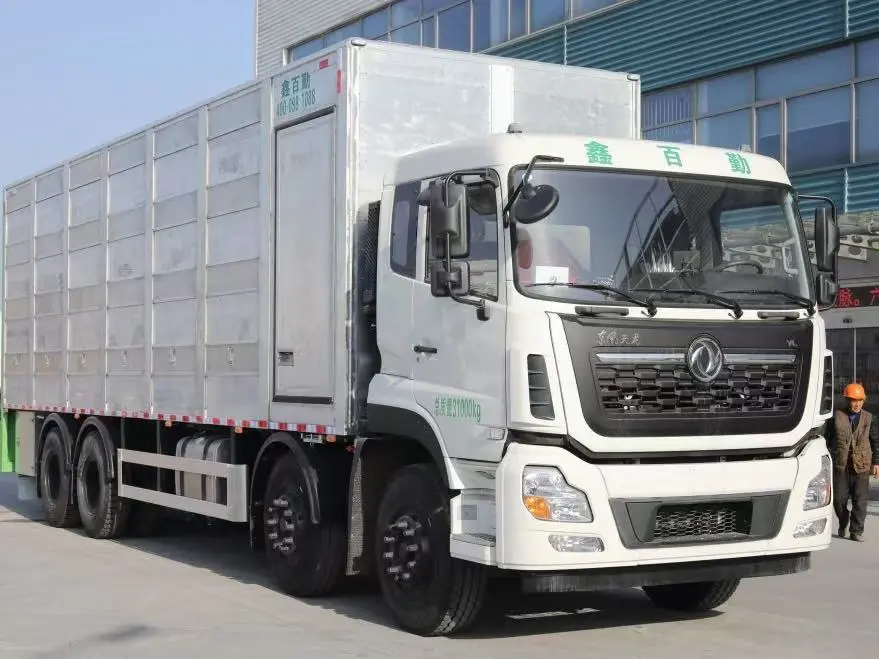
When evaluating or specifying a poultry hauling vehicle, the capacity, sophistication, and reliability of its ventilation system should be at the very top of the priority list. It's the invisible shield protecting your birds, your investment, and your reputation on every single journey.