

Why Ventilation Systems are Critical in Poultry Hauling Vehicles
1. Combating the Invisible Killer: Preventing Heat Stress and Hyperthermia
(Image: A thermal imaging camera view showing dangerous heat build-up (red/yellow areas) inside a poorly ventilated poultry trailer section, contrasted with cooler areas (blue/green) near functional vents.)
Poultry are particularly vulnerable to heat stress due to their feathers, high metabolic rate, and limited ability to sweat. Inside a stationary or moving trailer, body heat, solar radiation, and high ambient temperatures combine rapidly. Without constant, effective air exchange:
Heat Accumulation is Rapid: Body heat from hundreds or thousands of birds quickly overwhelms the enclosed space. Temperatures can soar 10-20°F (5-11°C) above ambient in minutes, especially when stationary or in slow traffic.
Consequences are Severe and Fast: Birds pant heavily, spread wings, reduce activity, and crowd away from heat sources (often piling and suffocating). Prolonged exposure leads to hyperthermia (elevated core body temperature), organ failure, and death. Mortality rates spike dramatically during hot weather transport, even on relatively short journeys.
Ventilation is the Primary Defense: A well-designed ventilation system actively removes this built-up heat. Moving air creates wind chill, significantly increasing the birds' perception of cooling. Air exchange replaces hot, saturated air inside with cooler, drier outside air. Mechanical ventilation (fans) is often essential beyond basic passive vents in hot climates or for densely loaded trailers. Proper ventilation literally pulls the heat out before it becomes lethal.
2. Clearing the Air: Removing Deadly Gases, Moisture, and Dust
(Image: Close-up detail inside a trailer: Moisture condensing on walls near a clogged vent, visible dust/dander accumulation on surfaces, and a diagram illustrating ammonia (NH3) buildup from manure.)
The air inside a loaded poultry trailer becomes contaminated quickly. Effective ventilation is crucial for removing these invisible threats:
Ammonia (NH3): Produced rapidly from fresh manure and urine, ammonia is a potent irritant. High levels cause:
Respiratory Damage: Burning eyes, nasal passages, trachea, and air sacs, predisposing birds to respiratory infections like CRD.
Suppressed Immunity: Chronic ammonia exposure weakens the birds' immune system.
Pain and Suffering: Birds avoid lying down, show head shaking, and exhibit obvious signs of distress.
Carbon Dioxide (CO2) and Carbon Monoxide (CO): CO2 builds up from bird respiration and can reach suffocating levels without exchange. CO, a silent killer, can come from faulty exhaust systems near air inlets.
Excess Moisture (Humidity): Respiration and manure release significant water vapor. High humidity:
Impairs the birds' natural cooling through panting (moist air holds less heat).
Creates damp litter/bedding, chilling birds and promoting pathogen growth and footpad issues.
Causes condensation on walls/ceilings, which drips onto birds.
Dust and Dander: Feathers, skin cells, and dry manure create airborne dust. This:
Carries pathogens (viruses, bacteria, fungi).
Clogs birds' respiratory systems.
Reduces visibility and air quality for drivers checking birds.
Can clog ventilation systems themselves.
Ventilation actively dilutes and removes these contaminants, replacing polluted air with fresh oxygen, protecting respiratory health, and preventing a toxic environment.
3. Maintaining Uniformity and Comfort: Avoiding Deadly Microclimates
(Image: Diagram or photo illustrating air flow patterns within a well-ventilated trailer, showing consistent air movement from inlets to outlets, avoiding dead spots. Contrast with a stagnant trailer.)
A trailer isn't a uniform box. Without proper airflow design and sufficient ventilation capacity, dangerous microclimates develop:
Dead Zones/Stagnant Air Pockets: Areas with little to no air movement (often corners, ends, or middle sections depending on design) become traps for heat, moisture, ammonia, and CO2. Birds in these zones suffer disproportionately, leading to higher mortality and downgrades in those specific areas.
Drafts: While air movement is good, excessive, direct, cold drafts (especially in cooler weather) can cause chilling, huddling, piling, and stress. Proper ventilation design uses baffles or strategically placed inlets to diffuse air and prevent harmful direct drafts on the birds.
Temperature and Humidity Gradients: Significant differences in temperature or humidity can exist from front to back, top to bottom, or side to side. Birds will naturally move towards perceived comfort zones, leading to overcrowding in some areas and dangerous isolation in others.
Ventilation Ensures Consistency: Adequate air exchange capacity combined with well-designed airflow patterns ensures the environment is as uniform as possible throughout the load. This means:
Even temperature distribution.
Uniform removal of gases and moisture.
Prevention of localized high-humidity or high-ammonia pockets.
Minimized stress from drafts or stagnant air. Every bird benefits from a safer, more stable environment.
4. Beyond Survival: Protecting Performance, Welfare, and Carcass Quality
(Image: Birds calmly resting on clean, dry bedding in a well-ventilated trailer section during transport vs. stressed, panting birds in a poorly ventilated section.)
The impact of effective ventilation extends far beyond preventing immediate death. It directly influences bird welfare, physiological recovery, and the quality of the final product:
Reduced Stress and Improved Welfare: Birds experiencing thermal comfort and clean air exhibit significantly less stress. They are calmer, less likely to panic or pile, and better able to cope with the inherent stressors of transport. This is a fundamental ethical obligation.
Preserved Immune Function: Minimizing heat stress and exposure to high ammonia/dust levels helps maintain the birds' immune competence. This reduces susceptibility to opportunistic infections during and after transport, leading to healthier birds entering the system.
Maintained Meat Quality: Heat-stressed birds utilize glycogen reserves rapidly, leading to higher post-mortem muscle pH. This results in:
Pale, Soft, Exudative (PSE) Meat: Undesirable pale color, soft texture, and excessive drip loss – major quality defects downgrading value.
Reduced Shelf Life.
Adequate ventilation helps birds maintain energy reserves, leading to normal post-mortem pH decline and higher quality, more valuable meat.
Reduced Mortality and Condemnations: Directly prevents deaths from hyperthermia and suffocation. Indirectly reduces mortality from smothering (piling) and secondary infections exacerbated by poor air quality. Also reduces condemnations due to septicemia/toxemia often linked to heat stress.
Improved Feed Conversion (for growers/pullets): Birds subjected to severe stress during transport take longer to recover and resume optimal growth and feed intake. Effective ventilation minimizes this setback.
Conclusion:
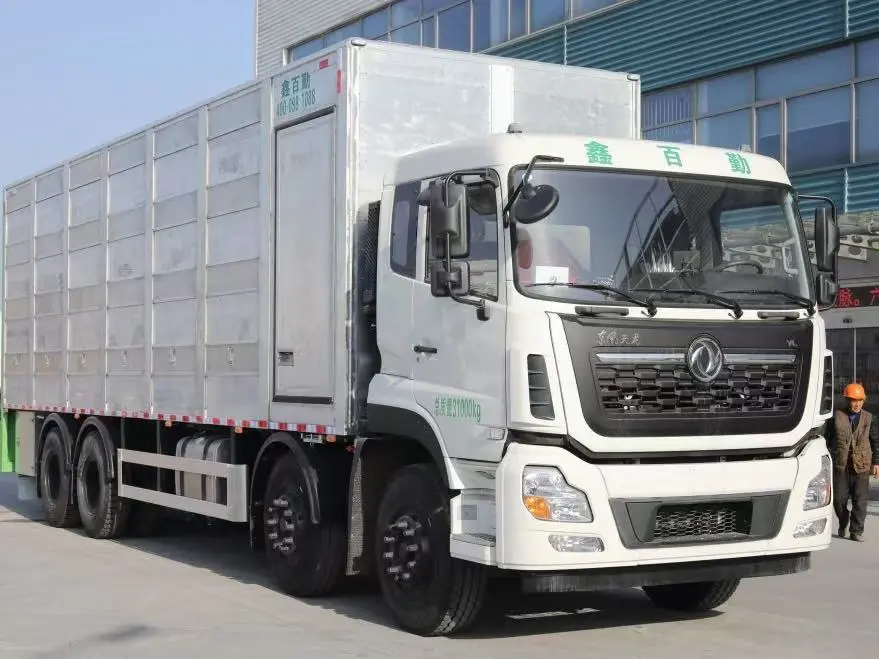
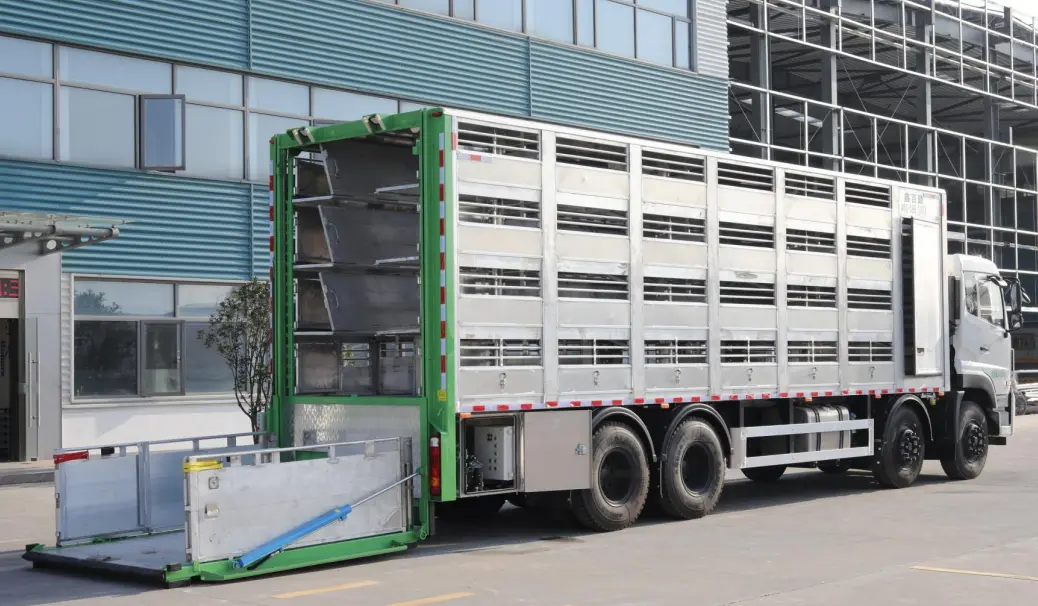
The ventilation system in a poultry hauling vehicle is not just another component; it's the critical infrastructure responsible for maintaining life, welfare, and product value. It’s the frontline defense against the deadly trio of heat stress, suffocating gases, and pathogenic dust. Investing in robust, well-designed ventilation – incorporating sufficient passive vents, often augmented by powerful, reliable mechanical fans and intelligent airflow management – is non-negotiable for responsible poultry transport. It directly translates to fewer dead birds, reduced condemnations, higher meat quality, improved welfare compliance, and ultimately, a more sustainable and profitable operation. Don't let your birds travel in a silent, suffocating box. Prioritize ventilation – ensure every breath they take on the journey is a step towards a safe arrival and a quality product. Demand trailers engineered to breathe. Your birds, your bottom line, and your reputation depend on it.