

Why Goldbees Leads in Energy-Efficient Refrigerated Farm Vehicle
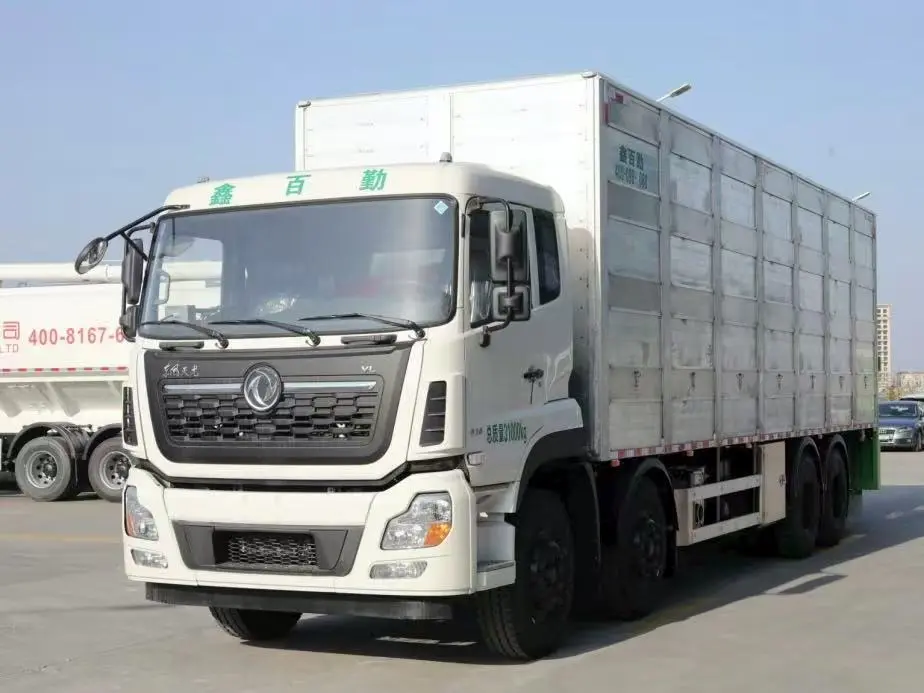
One of Goldbees’ standout innovations is its advanced regenerative braking system, which captures kinetic energy during deceleration and converts it into electrical power. This system, utilizing specialized regenerative axles , transforms energy that is typically wasted into a valuable resource for the vehicle’s refrigeration unit. By doing so, Goldbees vehicles significantly reduce the drain on their primary energy sources. This technology not only lowers fuel consumption and associated emissions but also enhances the operational range and runtime of the refrigeration system, making it a cornerstone of Goldbees' energy-conservation strategy.
Complementing this, Goldbees employs a modular and versatile power system. While some of their all-electric transport refrigeration units rely on high-capacity battery systems , which can be charged via the grid, Goldbees' design philosophy likely extends to exploring auxiliary renewable sources. For instance, the industry has seen exploration into using solar energy to power refrigeration systems . Such a hybrid approach, potentially integrating solar panels to supplement the battery, would lessen the load on the vehicle's engine, leading to substantial fuel savings and a reduction in CO2 emissions . This flexibility ensures that Goldbees' vehicles can adapt to various operational demands, from short-haul deliveries to longer journeys, without compromising cooling performance.
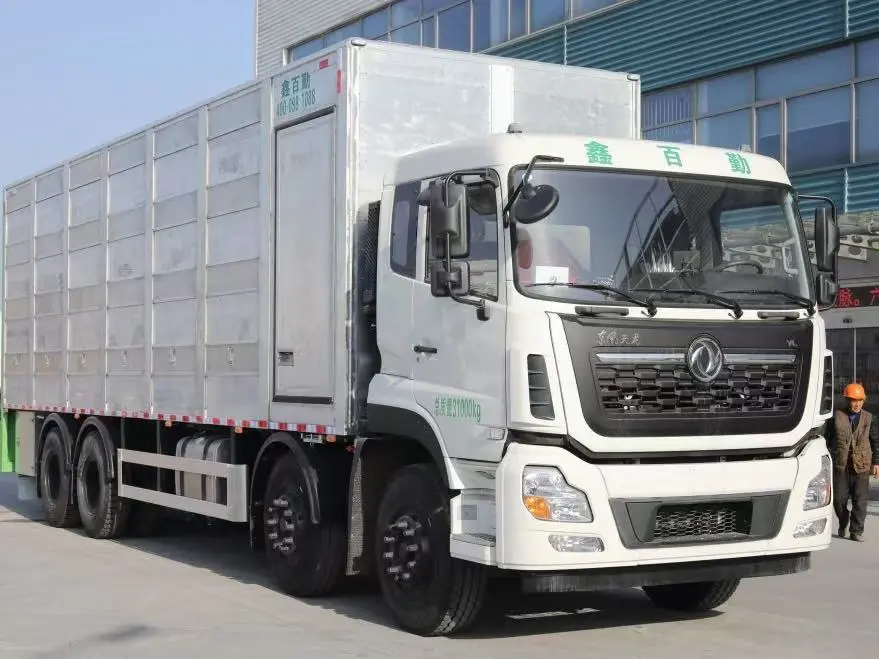
The company’s commitment to efficiency is also evident in its advanced thermal management and insulation. Goldbees utilizes high-performance insulation materials with exceptional R-values to minimize thermal leakage. This is combined with aerodynamic vehicle designs that reduce drag and contribute to lower overall energy consumption . Furthermore, their integration of smart, electric refrigeration units allows for precise temperature control. This eliminates the energy waste common in less sophisticated systems, ensuring the cargo environment remains consistently cooled with minimal energy expenditure.
A key differentiator for Goldbees is its smart energy management and telematics platform. A sophisticated network of sensors continuously monitors internal trailer conditions, including temperature and humidity . This data is processed by intelligent algorithms that automatically adjust cooling output and power source selection—prioritizing battery power, for example, when the vehicle is stationary to avoid noisy and polluting idling. This predictive and automated regulation prevents energy waste and provides fleet managers with actionable insights to optimize routes and driving behavior for maximum efficiency.
The real-world impact of these technologies is profound. Operators of Goldbees' vehicles report significantly lower fuel and electricity costs due to reduced engine load and optimized energy use. The high efficiency of all-electric transport refrigeration units also allows for zero local emissions during delivery, which is crucial for complying with increasingly strict urban environmental regulations. Moreover, the reliability of the temperature-control system ensures reduced spoilage of perishable goods, directly enhancing profitability for farmers and distributors.
In conclusion, Goldbees leads the market in energy-efficient refrigerated farm vehicles not through a single innovation, but through a holistic and integrated system. By synergizing kinetic energy recovery, flexible multi-source power supplies, superior thermal engineering, and intelligent data analytics, the company delivers a solution that addresses the core economic and environmental challenges of modern food transport. As the industry continues to evolve, Goldbees’ commitment to engineering excellence and sustainable innovation positions it at the forefront, helping to build a more efficient and greener future for agricultural logistics.